

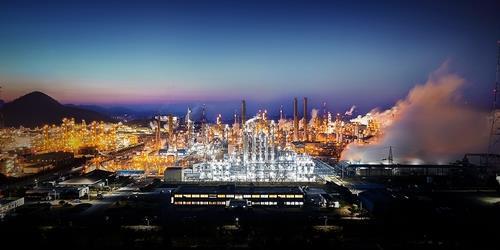
Industry officials and foreign media reported on Thursday that Yeocheon NCC notified major customers on March 4 that product deliveries could be delayed or adjusted and declared force majeure after it could no longer secure naphtha due to the Hormuz closure. The move followed a halt in imports of Middle East-origin naphtha, including from Saudi Arabia, amid the impact of Iran’s drone attacks and the strait’s shutdown.
Yeocheon NCC is a joint venture of Hanwha Solutions and DL Chemical and is South Korea’s largest single ethylene production hub, with annual capacity of 2.285 million tons. As restructuring continues across the sector, its third plant has been shut down, leaving only Plants 1 and 2 operating. Hanwha Solutions confirmed reports of the force majeure declaration.
The company was reported to have told some customers that contract performance could be temporarily delayed or revised due to disruptions in Middle East naphtha supply following the outbreak of war between the United States and Iran. In a letter to customers, Yeocheon NCC said it was declaring force majeure because the Middle East crisis had disrupted feedstock supply.
It said it had no choice but to run all production facilities at minimum capacity starting March 4, outlining plans to cut operating rates. “As geopolitical tensions in the Middle East have suddenly and sharply escalated, we are experiencing severe disruptions in raw material procurement,” it said, adding that the Hormuz closure had significantly delayed the arrival of naphtha feedstock scheduled for delivery in March. Naphtha prices have risen more than 20% since the crisis began.
Force majeure is a contract clause that can exempt a seller from liability when performance becomes difficult due to events beyond its control, such as natural disasters or war.
The declaration is expected to directly affect Hanwha Solutions and DL Chemical, Yeocheon NCC’s major shareholders and key customers. Yeocheon NCC has supplied the two companies with ethylene and other basic feedstocks through pipelines. For ethylene, it supplies 1.4 million tons a year to Hanwha Solutions and 735,000 tons a year to DL Chemical.
Analysts said the situation could worsen if the disruption drags on and inventories run down. NICE Credit Rating said that, considering cargoes shipped before late February and existing stockpiles, major domestic naphtha cracking centers appear to have about one month of reserves. It said companies are likely to respond by lowering operating rates, adjusting maintenance schedules and securing alternative sources to manage supply uncertainty.
* This article has been translated by AI.
Copyright ⓒ Aju Press All rights reserved.