SEOUL, March 10 (AJP) - The government finalized plans on Tuesday to establish a presidential committee dedicated to honoring the citizens who defended the constitutional order during the emergency martial law of December 3, 2024. During a cabinet meeting on March 10, 2026, the administration approved the Regulations on the Establishment and Operation of the Light Committee.
This new body will oversee the issuance of Light Certificates to individuals recognized for their contributions to preserving democracy during the six-hour crisis. The ministry will also evaluate the potential designation of a national commemorative day to mark the civilian-led movement. Applications for the certificates will be accepted through online portals, registered mail, and in-person submissions.
Interior Minister Yun Ho-jung stated that the initiative aims to provide formal state recognition to those who resisted the unconstitutional decree. "With the establishment of the Light Committee, we can now officially honor and treat with respect the citizens who resisted the December 3 martial law," the department director said. He further noted that through the committee, the government will achieve national unity and expand the values of K-democracy.
The historical context for the committee's formation dates back to a late-night television broadcast on December 3, 2024, when the former president declared martial law. He alleged that anti-state forces were paralyzing the government and cited a need to protect the nation from communist influence. Martial Law Command Proclamation No. 1 immediately followed, banning political gatherings and imposing military censorship over all press outlets.
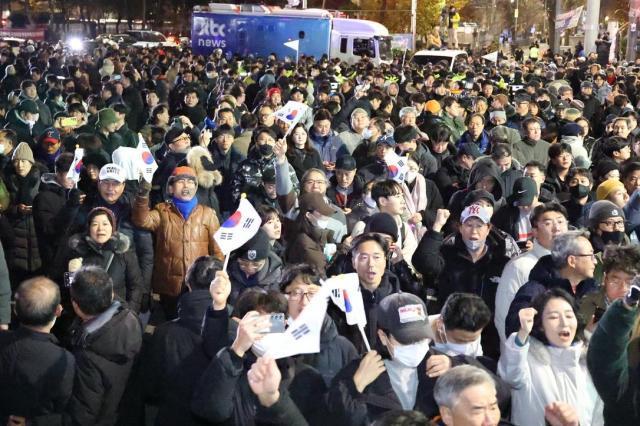
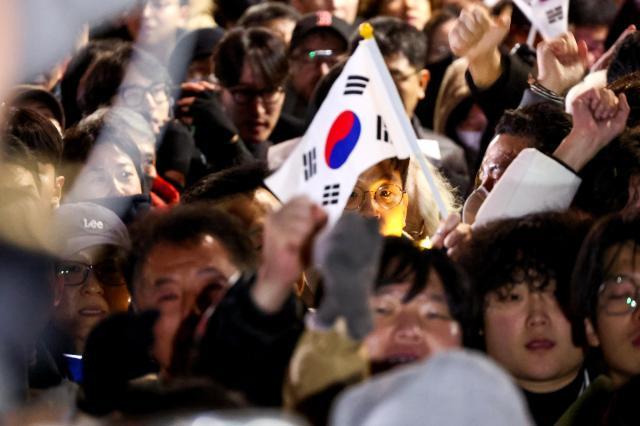
This move triggered a rapid mobilization of special forces to the National Assembly in an attempt to block legislative functions. Thousands of ordinary citizens responded by converging on the legislative grounds in Yeouido to form a human blockade against military transport vehicles. Protesters outside the gates faced off against armed troops, using non-violent resistance and physical presence to prevent the military from seizing control of the chamber.
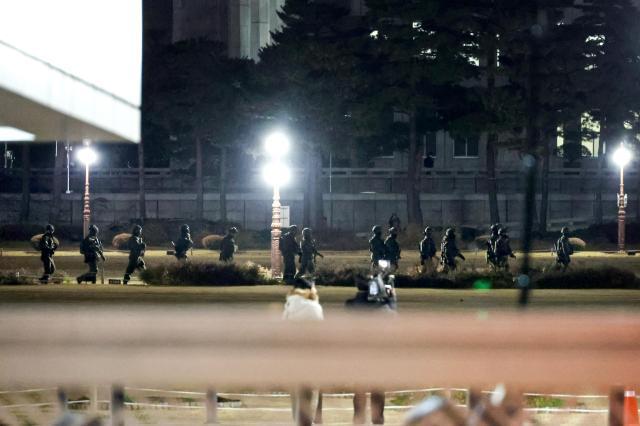
Inside the hall, 190 lawmakers bypassed security cordons to cast a unanimous vote demanding the immediate lifting of the emergency decree. By 4:30 a.m. on December 4, the former leader was forced to rescind the order, effectively ending the shortest period of martial law in the history of Seoul. The failure of the decree led to a series of legal and political collapses for the previous administration.
An impeachment vote followed on December 14, 2024, which was later upheld by the Constitutional Court. This vacancy led to the June 2025 snap election won by Lee Jae Myung. On February 19, 2026, the judiciary sentenced the former head of state to life in prison for his role in the insurrection. The newly formed committee now seeks to institutionalize the memory of the civilian resistance as a cornerstone of the current democratic framework.
Copyright ⓒ Aju Press All rights reserved.