

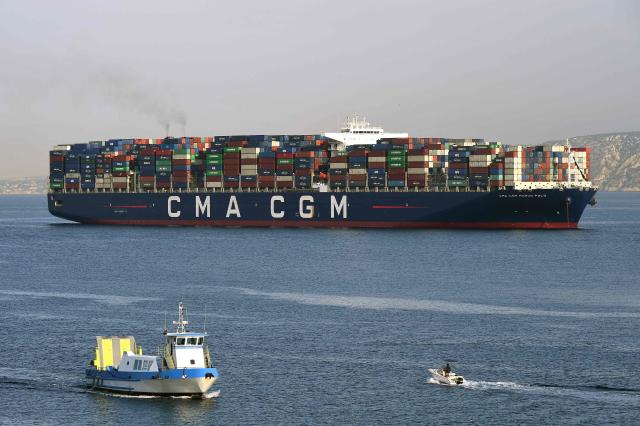
At least 15 ships transited the chokepoint over the past 24 hours with prior authorization from Tehran, a fraction of normal traffic, underscoring tight controls imposed after the outbreak of war.
Recent crossings have included vessels tied to Japan, France and Oman, as well as Malaysia-linked tankers carrying Iraqi crude, suggesting nationality, ownership structure and diplomatic ties are increasingly determining access.
By contrast, 26 South Korean vessels carrying 173 crew members remain stuck in the Gulf, with operators opting to wait rather than risk passage without clear security guarantees.
Iran has framed the restrictions as targeted, saying the waterway is "closed only to enemies," while continuing to permit limited transit for countries maintaining workable ties with Tehran.
The result is a de facto tiered system in one of the world's most critical energy corridors, which normally handles about one-fifth of global oil and LNG flows.
The disparity has fueled criticism in Seoul that rivals are moving faster — and more flexibly — to secure passage.
Seoul, however, has largely stuck to a multilateral approach, emphasizing coordination with allies and adherence to international norms rather than bilateral engagement with Tehran.
"Conditions differ by ship and country," the foreign ministry said, adding that safety remains the top priority.
"We maintain that freedom of navigation and safety for all vessels, including ours, must be promptly guaranteed in accordance with international norms, and we are communicating and cooperating with relevant countries to that end."
That caution is now colliding with mounting political pressure, with lawmakers calling for more proactive diplomacy — including identifying vessels with potential ties to neutral or Iran-friendly countries to secure exemptions.
The partial blockade — triggered by U.S.-Israeli strikes in late February — has at times slashed traffic through Hormuz by more than 90 percent, sending shockwaves through global energy markets and raising the risk of prolonged disruption.
For South Korea, which relies heavily on Middle Eastern energy imports, the immediate question is no longer whether the strait will reopen — but how, and through whom, its supplies will get through.
"The situation in the Middle East is extremely volatile, changing day by day. Neither Korea nor Japan can ignore the United States' position," said Rep. Kim Young-bae of the ruling Democratic Party.
Another DP lawmaker, Yoon Hu-deok, defended the government's approach.
"Even Japan has not achieved results through direct government negotiations with Iran… We must protect the lives of our citizens, the crew, and their property."
The opposition took a sharper tone.
"Our government has not been proactive enough on the issue of Hormuz transit," said Rep. Kim Gunn of the opposition People Power Party. "When the UK, France, and Japan issued a joint statement, we did not join promptly. Korea should be leading, not following."
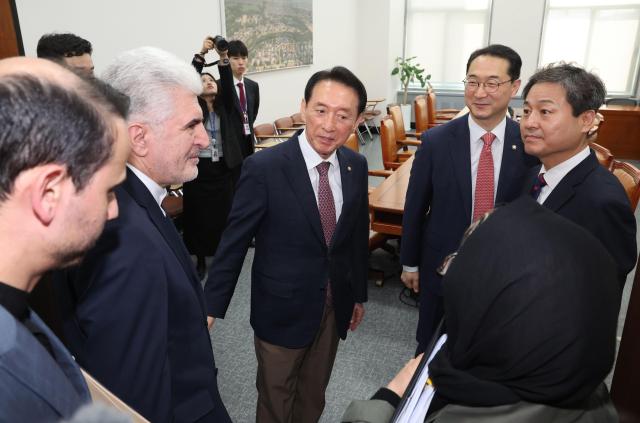
The coming days may prove decisive, as the reopening of the Strait of Hormuz is critical for the Korean economy.
With the National Assembly's Foreign Affairs and Unification Committee expected to convene next week, pressure is building for Seoul to craft a clearer strategy — one that can navigate Iran's selective access regime and the broader geopolitical fault lines shaping one of the world's most vital shipping lanes if tensions persist.
Copyright ⓒ Aju Press All rights reserved.
