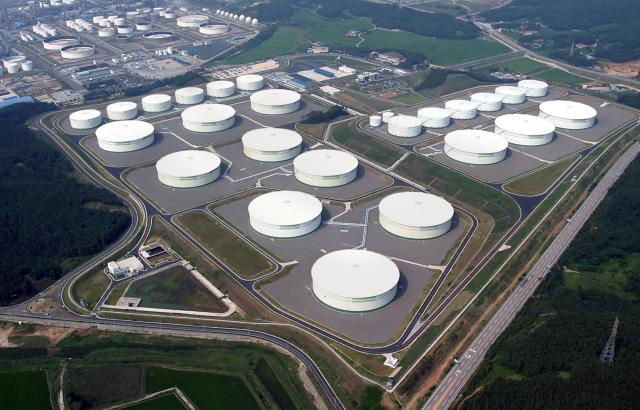
With the June 9 deadline for Seoul's pledged contribution just two weeks away, Yang Ki-wook, director general for industrial resources security at the Ministry of Trade, Industry and Resources, told reporters Tuesday at the Sejong government complex that the country sees little immediate need to tap its reserves.
The IEA in March coordinated the largest emergency stock release in its 52-year history, with its 32 member states agreeing to put 400 million barrels on the market to blunt the supply shock from the U.S.-Israel-Iran conflict.
South Korea's quota stands at 22.46 million barrels, or about 5.6 percent of the total.
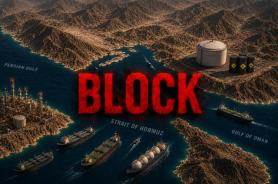
Officials are betting that the worst is yet to come. Although recent diplomatic overtures between Washington and Tehran have stirred cautious hopes of a ceasefire, a prolonged closure of the Strait of Hormuz could leave Korean refiners scrambling for crude from August onward, when domestic stockpiles are projected to thin sharply.
IEA Executive Director Fatih Birol warned that global oil markets could slip into a "red zone" in July or August as inventories drain and summer travel demand swells, with Middle Eastern barrels still largely absent from the market.
"Government stockpiles are a tool for the worst-case scenario, so we believe a release should be considered cautiously, keeping the card in hand for what may come," Yang said, adding that domestic refiners have responded positively to the existing swap arrangement, under which the government lends out reserves against verified overseas purchases.
Seoul is also reshaping its supply map.
Non-Middle Eastern crude is projected to account for 51.5 percent of imports from May through July, up sharply from 30.9 percent a year earlier — a shift Yang called unprecedented and a strategic imperative for the country's resource security.

Copyright ⓒ Aju Press All rights reserved.