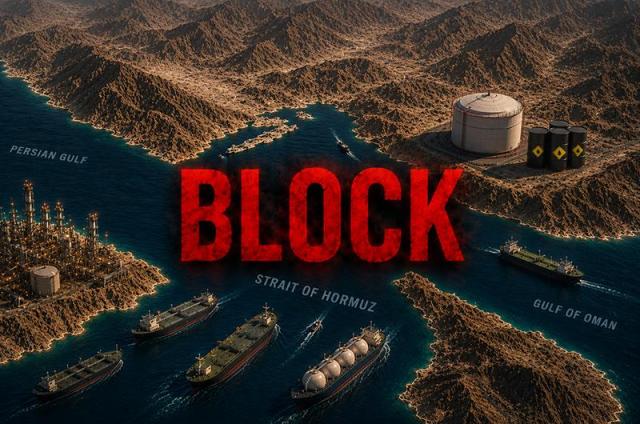
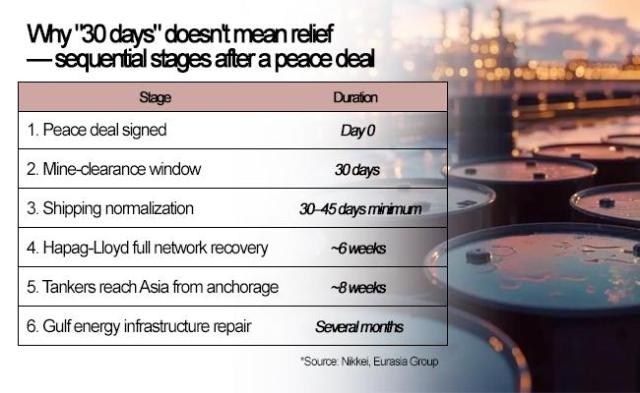
Iran is expected to allow commercial shipping through the strait about 30 days after a peace agreement with Washington is finalized, Nikkei reported Monday, citing a source familiar with the negotiations.
U.S. President Donald Trump said over the weekend that a deal had been "largely negotiated," while Iran's foreign ministry described the arrangement as a memorandum of understanding ahead of broader talks expected within 30 to 60 days.
But the situation remains fragile.
The diplomatic push intensified after U.S. forces struck missile sites and Islamic Revolutionary Guard Corps vessels in southern Iran on Monday in what Washington described as defensive operations, underscoring the volatility surrounding the conditional ceasefire in place since early April.
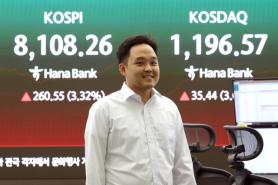
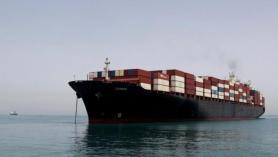
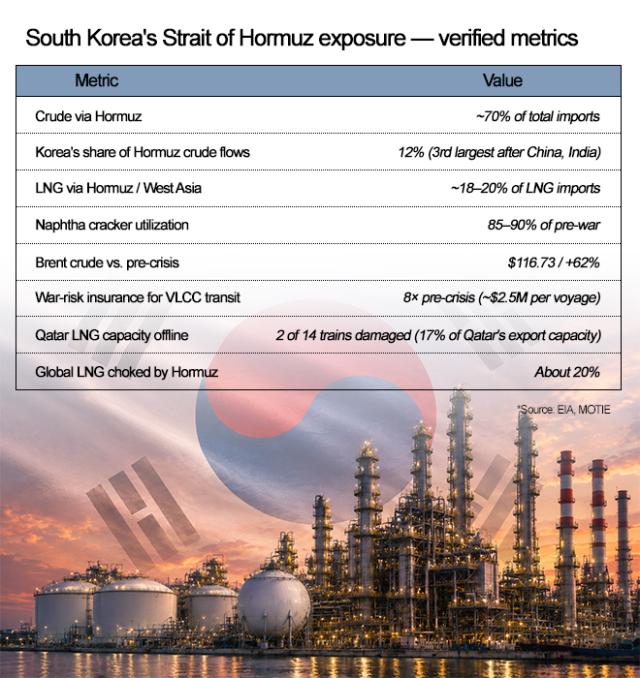
The Strait of Hormuz has effectively remained closed since March 2. IMF PortWatch data showed only two commercial vessels transited the chokepoint on May 17, compared with a pre-crisis average of roughly 95 ships per day. Brent crude rose 2.43 percent Monday to around $116.73 per barrel, more than 60 percent above prewar levels.
For South Korea, where roughly 99 percent of Middle Eastern crude imports normally pass through Hormuz, the gap between a diplomatic breakthrough and a meaningful restoration of energy flows is expected to extend far beyond the tentative 30-day reopening timeline.
The Middle East still accounted for the largest share of South Korea's oil imports, but its portion dropped sharply to 53.1 percent from 65.2 percent a year earlier.
Imports from Saudi Arabia, Korea's largest supplier, fell 37.6 percent to roughly 2.15 million tons. Iraqi shipments dropped 42.4 percent, while imports from Kuwait nearly collapsed, plunging 98.2 percent. Imports from Qatar were halted entirely.
The data underscore how rapidly Asian importers have been forced to redraw supply chains as the Hormuz crisis deepened.
The United States, already South Korea's second-largest crude supplier, nearly overtook Saudi Arabia last month. Imports of U.S. crude rose 13.4 percent to about 2.145 million tons, narrowing the gap with Saudi shipments to barely 1,000 tons from more than 1.45 million tons just a month earlier.
Seoul has also accelerated diversification toward North America, Oceania and Africa. Imports from Australia surged 89 percent, while Canadian shipments more than tripled. Crude purchases from African producers including Nigeria and Mozambique jumped more than fivefold. North America's share of South Korea's crude imports climbed to 28.3 percent, up 10.3 percentage points from a year earlier.
Still, industry analysts caution that reopening the strait would mark only the beginning of a lengthy normalization process.
Mine-clearance operations, military escort requirements and a backlog of roughly 1,500 stranded vessels are expected to delay normal shipping flows by another two to three weeks even after transit resumes.
"Given that a voyage to Asia takes four weeks and that 30 to 40 percent of Gulf refining capacity has been damaged — with normalization expected to take at least three months — restoring the supply chain will require considerable time," Yoon said. "Crude oil and gas would take priority, pushing petrochemical products and naphtha further down the queue."
Shipping costs have also surged.
According to Lloyd's Joint War Committee data, war-risk insurance premiums for very large crude carriers transiting the Gulf have climbed to roughly eight times pre-crisis levels, with single-voyage coverage now costing around $2.5 million per tanker. Six major protection and indemnity insurers, including Gard, Skuld and North Standard, have withdrawn Hormuz transit coverage altogether.
South Korean petrochemical firms have partially stabilized operations by increasing naphtha cracking center utilization rates to 85–90 percent of prewar levels through alternative sourcing from Russia, Kazakhstan and the United States. But officials continue warning that liquefied natural gas markets could tighten sharply in the second half as bargaining power shifts back toward suppliers.
Compounding concerns, QatarEnergy's force majeure declaration on long-term LNG contracts remains in effect after damage to two production trains at Ras Laffan affected roughly 17 percent of Qatar's LNG exports. Full restoration is expected to take between three and five years.
"Unless the war ends on reasonable and viable terms good enough to convince shipowners and insurance companies, it may be extremely difficult for oil prices to return to post-war levels even in the long run," said Chung Tae-hun, associate research fellow at the Korea Energy Economics Institute.
"We still face competition for heavy crude supplies outside the Middle East if the conflict becomes entrenched, with China and Japan also aggressively seeking alternative sourcing," Chung added.
A diplomatic breakthrough could mark a turning point in the crisis. But for South Korea and much of Asia, the broader energy shock is increasingly shifting from an emergency disruption into a structural adjustment — one likely to leave elevated shipping costs, higher energy premiums and intensified competition for non-Gulf supplies well into 2027.

Copyright ⓒ Aju Press All rights reserved.