

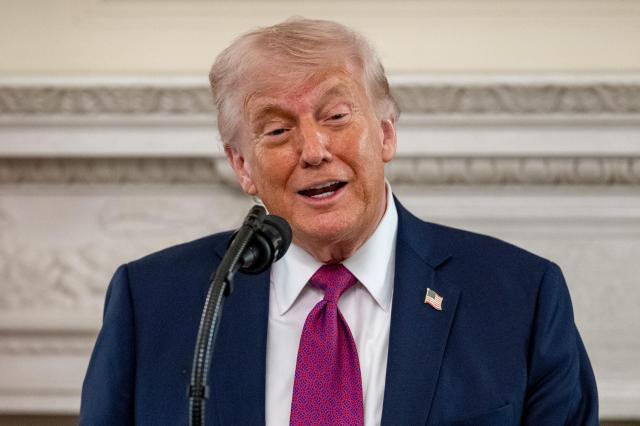
The Associated Press reported that on April 23 (local time), Trump ordered U.S. forces to sink small Iranian boats trying to lay mines in the Strait of Hormuz. He also said the United States would expand mine-clearing operations. The strait is a vital route for global energy trade, with about 20% of the world’s seaborne oil and natural gas passing through it.
The U.S. is also keeping up maritime pressure. AP said U.S. forces in the Indian Ocean additionally detained a tanker suspected of carrying Iranian crude. The United States is maintaining its blockade of Iranian ports. Iran has said it will not enter further talks until the blockade is lifted.
Negotiations remain stalled. Iran, referring to possible follow-up talks in Islamabad, Pakistan, said it would not negotiate “under threat” and made lifting the blockade a precondition. While Trump has mentioned a ceasefire and negotiations, Iran views the continued maritime pressure as military coercion even after any ceasefire.
Tensions in the Strait of Hormuz have also spilled into ship seizures. Reuters reported that Iran’s Revolutionary Guard detained two vessels passing through the strait on April 22 and was reported to have fired on the two detained ships and another vessel. Iran has underscored its leverage over passage through the strait, while the United States is pairing mine-clearing efforts with the port blockade.
On the Lebanon-Israel front, Trump has pointed to a ceasefire extension as a result. AP reported that after White House talks, Trump said Israel and Lebanon agreed to extend the Israel-Hezbollah ceasefire by three weeks. The sides had previously entered a 10-day truce under U.S. mediation, and the new agreement lengthens that period.
The two fronts are linked. Iran and Hezbollah are both aligned with the pro-Iran camp, and rising tension in the Strait of Hormuz could shake the Lebanon ceasefire, a factor behind Trump’s effort to manage both at once.
A key variable is the possibility of further Israeli strikes. Israeli Defense Minister Israel Katz said he is “ready to resume the war with Iran” and is “waiting for a ‘green light’ from the United States.” Israel signaled it could again target Iran’s energy and economic base and its leadership.
The Lebanon front also remains unsettled. While the ceasefire was extended by three weeks, reports said Hezbollah rocket launches and Israeli responses continued. Israel views Hezbollah’s disarmament as a condition for lasting peace. Lebanon wants negotiations to include an Israeli troop withdrawal, prisoner releases and reconstruction.
Analysts say the region could become unstable again depending on the level of U.S. pressure and whether Israel takes additional action. Michael Young, a senior editor at the Carnegie Middle East Center, told Reuters that the Israel-Lebanon ceasefire “is very fragile for now.”
* This article has been translated by AI.
Copyright ⓒ Aju Press All rights reserved.