

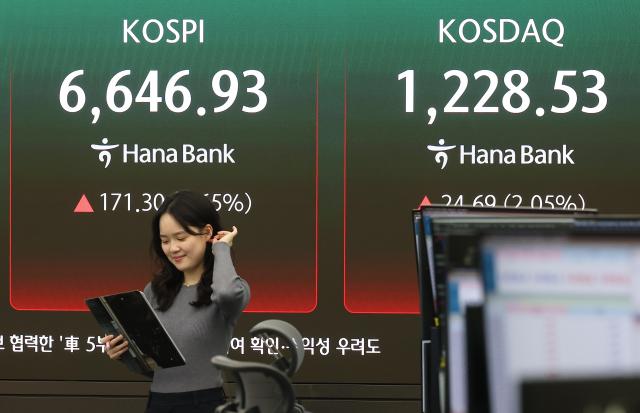
Bloomberg reported on April 27 that Taiwan’s TAIEX rose 9.9% from the start of the Iran war on Feb. 28 through April 24. Over the same period, South Korea’s KOSPI gained 3.7%, Japan’s Nikkei 225 added 1.5%, and China’s CSI 300 rose 1.25%. The CSI 300 tracks the 300 largest stocks by market capitalization in Shanghai and Shenzhen.
By contrast, South and Southeast Asian markets stayed weak. India’s Nifty 50 fell 5.8%, Indonesia’s Jakarta Composite Index dropped 10.4%, and the Philippine Stock Exchange index slid 9.5%. The MSCI ASEAN index declined 7.5%.
Analysts pointed to AI as the key driver of the gap. Marvin Chen, a strategist at Bloomberg Intelligence, said South Korea, Taiwan and Japan all have high dependence on oil, but “AI ultimately made the difference.”
Bloomberg said demand tied to the AI boom has helped the global semiconductor supply chain, including Taiwan Semiconductor Manufacturing Co., Samsung Electronics and SK hynix, and appears relatively insulated from geopolitical risks.
In India and Southeast Asia, however, rising oil prices are feeding inflation, worsening current accounts and weakening currencies, while also limiting policymakers’ room to respond.
Sonal Varma, an economist at Nomura Holdings, cited several factors: India and Southeast Asia are more exposed to the energy shock than Northeast Asia and have fewer buffers; Northeast Asia’s fiscal conditions are relatively solid; and the AI boom is supporting growth and markets in Northeast Asia but offering little lift to India and Southeast Asia.
South Korea, meanwhile, showed relative weakness in currency markets despite gains in equities. Since the war began, China’s yuan has risen 0.5% against the dollar, while the won has fallen 2.7%, one of the larger declines among major Asian currencies.
Gary Tan, a portfolio manager at Allspring Global Investments, said the divergence reflects a clash between a long-term, technology-led structural shift and a short-term, war-driven macroeconomic shock, with Asia at the center of both trends.
* This article has been translated by AI.
Copyright ⓒ Aju Press All rights reserved.