

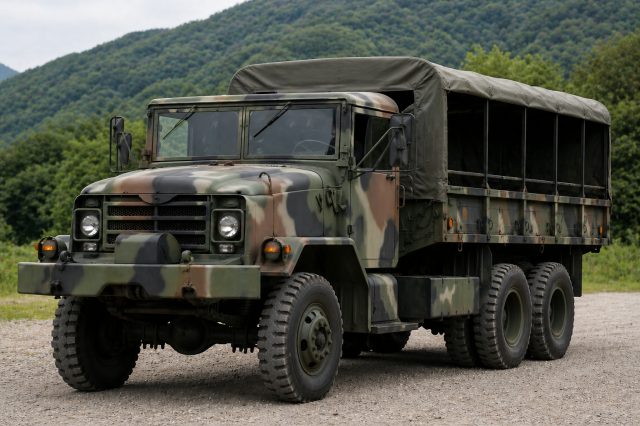
◆Military trucks as infantry transport
During battalion-level and larger exercises, 2.5-ton K511 trucks — widely called Yukgong trucks — are a familiar sight filling parade grounds. Troops typically board assigned vehicles after orders are issued. About 10 to 20 soldiers ride in the back, holding their rifles close between their legs. Depending on the mission, they may ride in a “four-direction security” posture, aiming outward.
Military trucks are central to infantry movement and logistics, carrying both personnel and the supplies needed for operations. K511 trucks assigned to rapid-response units carry platoon-level troops along with equipment such as ammunition.
The trucks long used by troops carry little visible branding, but most are produced by Kia, which also supplies the military with vehicles including the Retona command vehicle, ambulances for medical evacuation and armored reconnaissance vehicles.
Kia has produced standard vehicles for the South Korean military since being designated a defense contractor in 1973. After establishing a special-vehicle research center in 1985, it built a standard platform by producing models including the 2.5-ton Yukgong truck and 5-ton trucks.
Kia’s special business division said deliveries of military special-purpose vehicles totaled 6,122 units in 2024 and 5,789 in 2025. In the first quarter of this year, deliveries rose to 1,129 units, up 36% from 830 a year earlier. Based on performance proven at home, the vehicles are exported to about 30 countries, including Poland.
Older military trucks were difficult to operate, with no power steering and drivers forced to muscle the wheel. Newer models have changed sharply, adding power steering, navigation and driver-assistance systems to improve operating conditions.
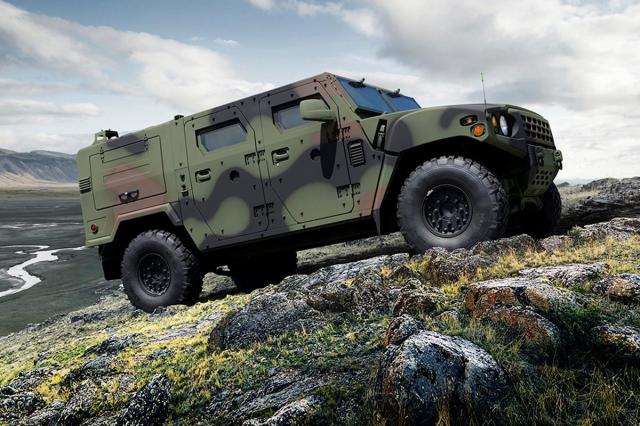
The K511 Yukgong truck and the Retona are also being replaced over time. The shift began with the light tactical vehicle, the KLTV (K151). Mass-produced in 2017, the K151 was newly developed on Kia’s Mohave platform and is intended to replace command vehicles such as the Retona and reconnaissance vehicles over the long term.
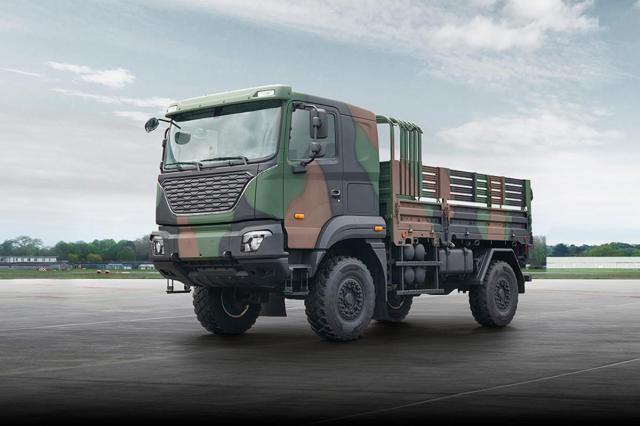
A next-generation medium standard vehicle, the KMTV, intended to replace the Yukgong truck over the long term, began deliveries to the South Korean military in the second half of last year. Developed on Hyundai Motor Co.’s Pavise truck, it includes navigation, front and rear cameras and an around-view monitor — features comparable to commercial trucks. With a 280-horsepower diesel engine and an eight-speed automatic transmission, it can operate on 60% grades and in water up to 1 meter deep.
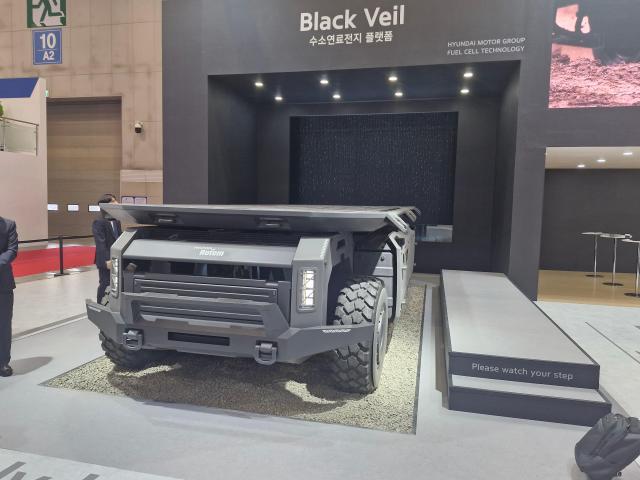
A Kia official said the company is presenting a range of special-purpose vehicles applying its technology, “from medium trucks to pickups,” and added, “We will build customized special-mission vehicles the military needs and present a future vision for military mobility.”
* This article has been translated by AI.
Copyright ⓒ Aju Press All rights reserved.