

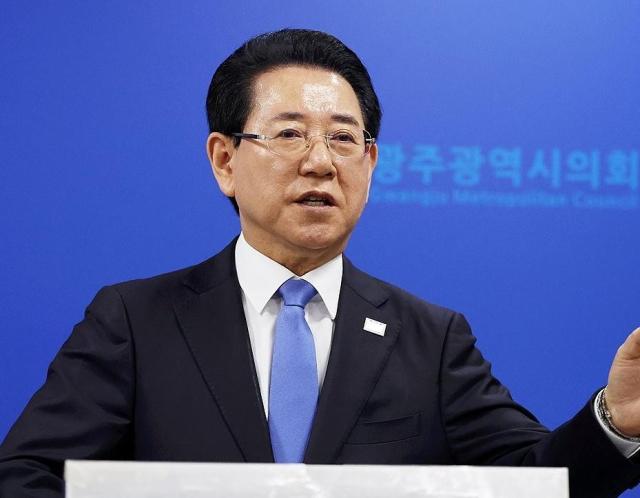
The Democratic Party of Korea on Wednesday dismissed Jeonnam Gov. Kim Young-rok’s call for a reinvestigation into an alleged ARS phone-voting outage in the runoff for the Jeonnam-Gwangju Integrated Special Mayor primary, saying the issue had already been addressed through an agreement among the candidates. Kim lost the race to Min Hyung-bae, a former lawmaker.
Party Secretary-General Cho Seung-rae told reporters at the National Assembly after a party affairs committee meeting that Kim appeared to have misunderstood the facts. Cho said the party confirmed that 2,308 votes from Jeonnam-area voters were excluded during the first round of outgoing calls, and that a second round of calls was made to those 2,308 voters after agreement by the candidates’ representatives.
Cho added that the party apologized to the candidates’ sides for the problem and took immediate steps to remedy the impact. He said he was speaking based on a review of the raw data, and stressed that the party conducted a thorough investigation and confirmed there was no issue.
Kim, speaking at a news conference Tuesday at the Gwangju Metropolitan Council, called for a full party reinvestigation of the primary process and broader reforms to prevent a recurrence.
He said two weeks after the primary ended, the party headquarters had still not provided a responsible explanation for the concerns he raised. He alleged serious problems with fairness and transparency, citing 2,308 ARS outages in Jeonnam during the runoff, inadequate voting guidance for the electorate, duplicate voting by party members, and a lack of disclosure of information about the overall primary process.
* This article has been translated by AI.
Copyright ⓒ Aju Press All rights reserved.