

LG Energy Solution posted a first-quarter loss despite expectations for large orders, but analysts say it is laying groundwork for a rebound by expanding its electric-vehicle battery and energy storage system businesses.
Yonhap reported on Wednesday that LG Energy Solution is expected to supply BMW with more than 10 trillion won worth of cylindrical batteries for electric vehicles. The batteries are expected to be used in BMW’s next-generation EVs, and the contract term is projected to run as long as 10 years. The industry is also watching the deal as a potential first entry for LG Energy Solution into BMW’s supply chain for battery-electric vehicles.
On a conference call, the company said it had won more than 100 gigawatt-hours in new orders for its 46-series cylindrical batteries and that its total order backlog exceeds 440 gigawatt-hours, signaling a broader shift toward a cylindrical-battery-centered portfolio.
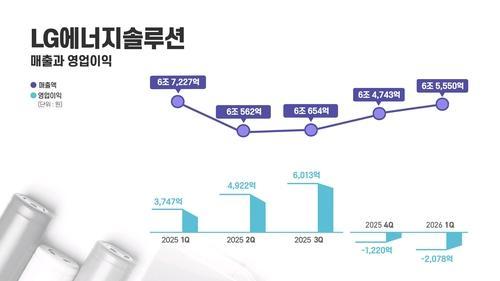
Near-term performance, however, remained weak. On a consolidated basis, LG Energy Solution reported an operating loss of 207.8 billion won for the first quarter, swinging to a loss from a year earlier. Revenue fell 2.5% to 6.555 trillion won, and net loss totaled 944.0 billion won. The company cited reduced U.S. battery subsidies and softer EV demand.
It also pointed to upfront costs tied to expanding ESS production in North America, including ramp-up expenses as it scales facilities in Tennessee and Ohio.
LG Energy Solution said it aims to drive a turnaround led by ESS. The share of ESS in revenue has risen from under 10% to the mid-20% range, and the company plans to lift it to the mid-30% range by year’s end, citing growing demand from AI data centers and power infrastructure.
The company said it will work to stabilize its North American production base early while pursuing new orders in both EV batteries and ESS to improve profitability.
* This article has been translated by AI.
Copyright ⓒ Aju Press All rights reserved.