

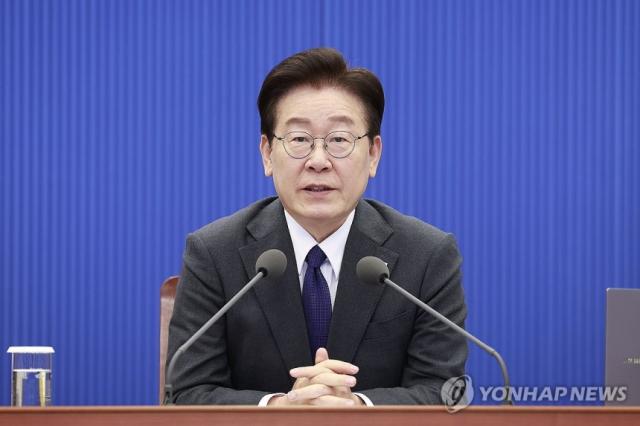
Samsung Electronics’ labor dispute has escalated to the point that President Lee Jae-myung has voiced concern over the union’s move toward a general strike. It is unusual for a national leader to publicly address or be briefed on a private company’s labor-management conflict, underscoring worries that a walkout at Samsung could ripple beyond an internal dispute and hit the broader economy. Both sides should halt hard-line brinkmanship and move quickly toward a workable solution.
Samsung is not an ordinary company. It is a flagship in semiconductors, smartphones and home appliances, with outsized influence on exports, investment, jobs and the stock market. Any production disruption could trigger knock-on damage to suppliers and local economies, parts and equipment makers, and logistics networks. If overseas customers cut orders over supply concerns or shift to competitors, the losses may not be short-lived.
The timing adds to the risk. Global competition for semiconductor leadership is intensifying as the spread of artificial intelligence drives demand for advanced memory and foundry services. The United States, Taiwan, China and Japan are also backing their industries with government-level support. In that environment, internal conflict at South Korea’s leading chipmaker would amount to handing rivals an opening.
The right to collective action is guaranteed by the Constitution, and the union can legitimately raise demands on wages, bonuses and working conditions. But a general strike should be a last resort. If pressure tactics come first, centered on production disruptions and losses, public support is likely to erode. The larger a company’s impact on the national economy, the heavier the union’s responsibility becomes, along with accountability for the consequences of its actions.
Management also bears responsibility. If labor disputes keep recurring, the company should examine whether there has been a lack of trust in compensation systems, poor communication, or accumulated grievances on the shop floor. If performance has improved, it should share results under standards employees can accept and explain decisions in a way that also addresses future investment and job stability. Digging in without dialogue will only worsen the problem.
The president’s concern should be read not as political interference but as a warning tied to economic security. Semiconductors are central to South Korea’s exports and a strategic industry. The government should not take sides, but strengthen its role in ensuring negotiations proceed under the law and established principles. It should respond firmly to illegal acts while actively supporting lawful bargaining.
If the standoff drags on, the damage will ultimately fall on the broader economy. The union should move away from a power struggle built around the threat of a general strike. The company should present concrete steps to restore employee trust. With the issue now drawing presidential concern, the warning light is already on. What is needed is compromise and responsible decisions, not a showdown.
* This article has been translated by AI.
Copyright ⓒ Aju Press All rights reserved.