

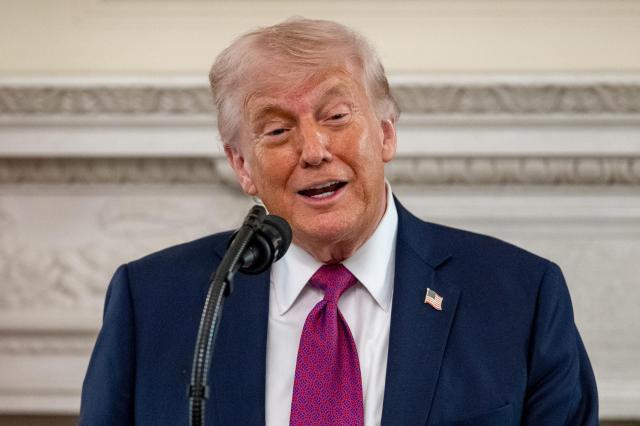
President Donald Trump emphasized that the United States maintains a negotiating advantage over Iran, even as hostilities in the Hormuz Strait have resumed. He suggested that rather than viewing the renewed clashes as a sign of escalating conflict, it indicates Iran's increasing urgency to reach an agreement.
On May 7, during a visit to the construction site of the Lincoln Memorial in Washington, D.C., Trump told reporters, "Negotiations are going very well." He added, "Iran wants an agreement much more desperately than I do," highlighting that despite military exchanges in the Hormuz Strait, the framework for a ceasefire and negotiations remains intact.
Trump downplayed the significance of the recent clashes, calling Iran's attacks "minor" and asserting, "We completely obliterated them." His comments reflected a belief that the resumption of military conflict has not disrupted the negotiation process.
He continued to apply pressure for an agreement, warning that if Iran rejects a deal and hostilities escalate, "you will see a massive flash coming from Iran," urging them to sign the agreement quickly. This statement suggests that while negotiations remain open, he is prepared for military action if necessary.
Regarding the content of the proposed agreement, Trump described it as more extensive than the one-page document that has been previously reported. He stated that it would ensure Iran does not acquire nuclear weapons and would include provisions related to the transfer of nuclear materials.
Trump maintained skepticism about Iran's willingness to comply with U.S. demands, stating, "Even if they agree, the next day they will say something different, so it doesn’t mean much."
He also dismissed concerns about the economic burden of a prolonged conflict, telling reporters, "Gas prices have dropped significantly," indicating that he prioritizes negotiation leverage and control over the costs of military engagement.
* This article has been translated by AI.
Copyright ⓒ Aju Press All rights reserved.