The Ministry of National Defense said Woo Kyung-seok, director general for defense policy planning and an Army major general, will attend the meeting on discussions related to a U.K.- and France-led multinational military mission.
Woo is expected to attend on behalf of Kim Hong-cheol, deputy minister for national defense policy, who is currently in the U.S. accompanying Defense Minister Ahn Gyu-back.
“The government has been actively participating in international discussions aimed at ensuring safe passage through the Strait of Hormuz, while closely monitoring the situation and communicating with related countries,” a ministry official said.
Britain and France have been leading talks on forming a multinational force to restore navigation through the key waterway after a possible end to the Iran war. The talks began with a French-hosted video conference among chiefs of defense in March and have continued at various levels, including leaders and senior officials. South Korea has also taken part in the discussions.
Tuesday’s meeting marks the first defense ministerial-level session of the grouping, raising speculation that the U.K. and France may be seeking to move the discussions toward a more concrete policy decision as their operational plan takes shape.
Seoul’s participation comes as attention grows over how it will respond after the fire aboard the Korean vessel Namu was confirmed to have been caused by an external attack. The government has yet to identify who was behind the incident.
The defense ministry repeated its previous position, saying it will “carefully review realistic ways to contribute” in consultation with related ministries, while comprehensively considering international law, the safety of international sea lanes.
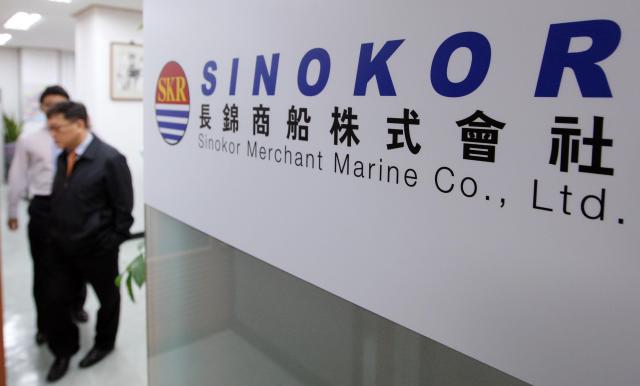
Reuters reported Monday, citing shipping data from Kpler and the London Stock Exchange Group, that three tankers were recently found to have exited the Strait of Hormuz with their tracking systems switched off. Among them was the VLCC Basrah Energy, owned by Sinokor.
The vessel loaded 2 million barrels of crude oil at the Zirku crude export terminal operated by the Abu Dhabi National Oil Company in the United Arab Emirates on May 1 and passed through the Strait of Hormuz on May 6, according to the report.
It remains unclear which company chartered the vessel. Reuters said it had requested comment from Sinokor but did not receive a response.
Sinokor has expanded its presence in the tanker market in recent years through aggressive purchases and chartering of vessels. The company is estimated to control around 150 VLCCs as of the end of last month.
Industry sources said Sinokor had deployed at least six empty tankers to the Persian Gulf from late January over a four-week period. Some market watchers believe the company may have profited significantly by using its tankers as floating storage for crude from Gulf producers whose export routes were disrupted by the Iran war, even as some of its vessels became stranded in the region.

Copyright ⓒ Aju Press All rights reserved.