

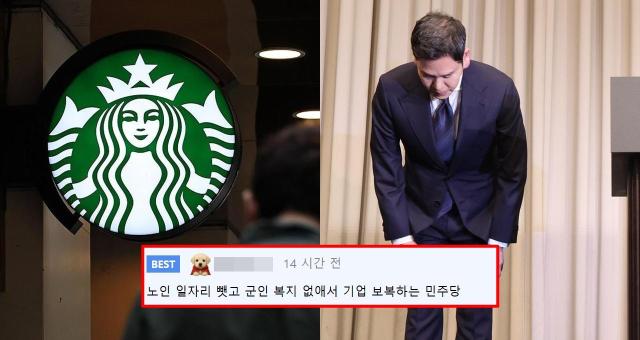
A boycott of Starbucks Korea, triggered by controversy over the May 18 Democratic Uprising, has extended to government-supported initiatives. The Ministry of Health and Welfare has decided to temporarily suspend a senior employment program in collaboration with Starbucks, leading to ongoing debates online about the decision.
According to a report by Segye Ilbo on June 26, the Ministry has paused the 'Senior Barista Professional Skills Enhancement Training' program, which was conducted in partnership with Starbucks Korea and the Korea Senior Club Association.
This initiative, which began in 2019, has been operating at the 'Starbucks Cooperative Training Center' within the Gunpo Senior Club. Current Starbucks baristas have volunteered their time to provide training in barista skills.
The program has continued for seven years, with approximately 2,500 seniors completing the training. Participants who finished the program have found employment in cafes at dementia care centers or senior welfare facilities.
However, the Ministry has decided to proceed with the second cohort of trainees as scheduled but will put the third and fourth cohorts on hold after recruitment has already been completed.
A Ministry official told Segye Ilbo, "We judged that there could be negative perceptions due to the recent controversy, leading to the temporary suspension of the training. We will monitor the situation and consider whether to resume it in the future."
This decision is seen as closely related to the recent online boycott movement against Starbucks. The controversy surrounding the company's comments about the May 18 Democratic Uprising has led some consumers to advocate for a boycott, which has been compounded by discussions regarding discounts for military personnel, sparking debates in both political circles and online communities.
Following the news, reactions online have been mixed. Some users criticized the decision, asking, "Why should the responsibility for the controversy fall on senior employment and frontline staff?" and argued that halting social contribution programs is an excessive response. Others suggested that if a company has made mistakes, it should be encouraged to enhance its social contributions rather than withdraw them.
Conversely, some users defended the Ministry's decision, stating, "It is natural for public institutions to distance themselves from controversial companies," and suggested that the Ministry could collaborate with other businesses instead. They emphasized the importance of sending a clear social message during this opportunity.
This situation highlights how political and social controversies are beginning to impact public-private welfare collaborations. There is growing concern that senior employment initiatives and social contribution programs may be suspended in response to shifts in public opinion, raising the possibility of similar cases in the future.
* This article has been translated by AI.
Copyright ⓒ Aju Press All rights reserved.