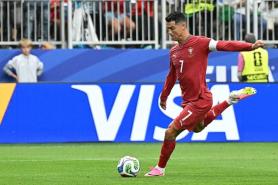
Teams from the Asia-Pacific region remain unbeaten, while several African sides have shown they can challenge higher-ranked opponents, suggesting the tournament may no longer be dominated exclusively by Europe and South America.
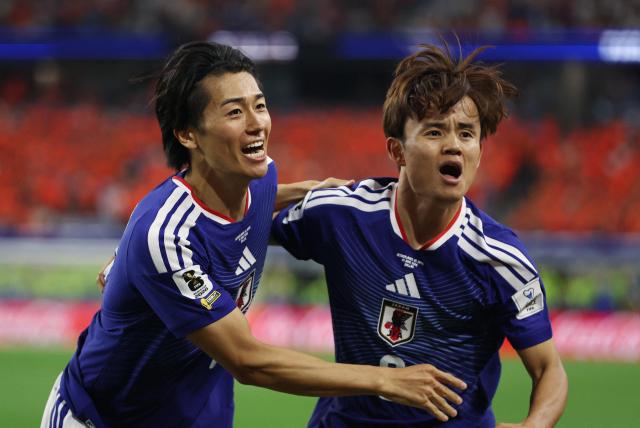
Japan produced the biggest statement so far, fighting back twice to secure a 2-2 draw against the Netherlands, one of the pre-tournament favorites, in Arlington, Texas, on Sunday local time.
Captain Virgil van Dijk gave the Dutch an early lead, but Keito Nakamura quickly equalized for Japan. Crysencio Summerville restored the Netherlands' advantage before Daichi Kamada grabbed a late equalizer after Koki Ogawa's header deflected off him.
The result reinforced Japan's growing reputation as Asia's benchmark team.
Ranked 18th in the world, Japan entered the tournament after beating Brazil 3-2 and England 1-0 in warm-up matches. Holding the 10th-ranked Netherlands added further evidence that Hajime Moriyasu's side belongs among the tournament's dark horses.
Perhaps more importantly, Japan finished the stronger side after spending long stretches defending, validating Moriyasu's pre-tournament pledge that his team would impose its own style rather than simply react to opponents.
Australia also delivered a notable result, defeating Turkey 2-0 at BC Place in Vancouver.
Despite facing a squad led by Arda Guler and Hakan Calhanoglu, the Socceroos remained disciplined before capitalizing on their opportunities. Nestory Irankunda opened the scoring in the first half before Connor Metcalfe doubled the advantage after the break.
The victory marked Australia's first opening-match win at a World Cup since Germany 2006.
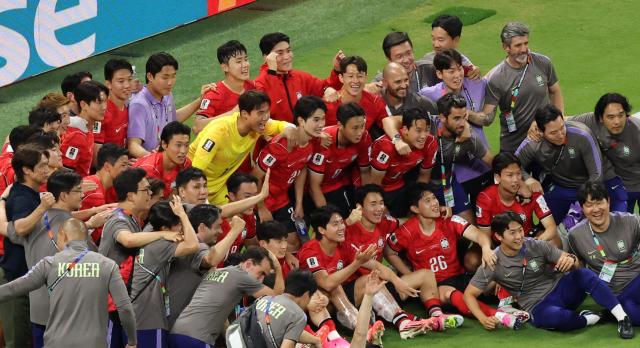
South Korea had already contributed to Asia's impressive start by overcoming Czechia 2-1 on opening day.
After Ladislav Krejci put Czechia ahead early in the second half, Hwang In-beom sparked the comeback with a composed finish before setting up Oh Hyeon-gyu's winner.
Unlike previous generations, the continent's leading teams arrived with legitimate expectations.
Japan's starting lineup consisted entirely of Europe-based players, while both South Korea and Australia entered the tournament ranked above their opening opponents.
The most unexpected result, however, came from Qatar.
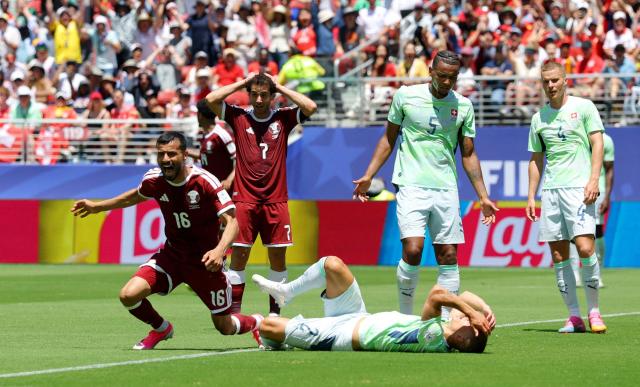
The Gulf nation earned the first World Cup point in its history by drawing 1-1 with 19th-ranked Switzerland.
Switzerland took the lead in the 17th minute when Breel Embolo converted a penalty after goalkeeper Mahmoud Abunada was adjudged to have fouled Remo Freuler.
The decision quickly became one of the tournament's first major controversies, with Qatar arguing Freuler had been offside before chasing Embolo's initial header.
Qatar nevertheless found an equalizer deep into stoppage time when captain Boualem Khoukhi's header took a deflection before crossing the line.
Asia's performance could improve further, with Iran, Saudi Arabia, Iraq, Jordan and Uzbekistan yet to play their opening matches.
Africa has produced a more mixed start but has also shown signs of growing competitiveness.
Morocco held Brazil to a 1-1 draw after Ismael Saibari's opener before Vinicius Jr. rescued a point for the five-time champions.
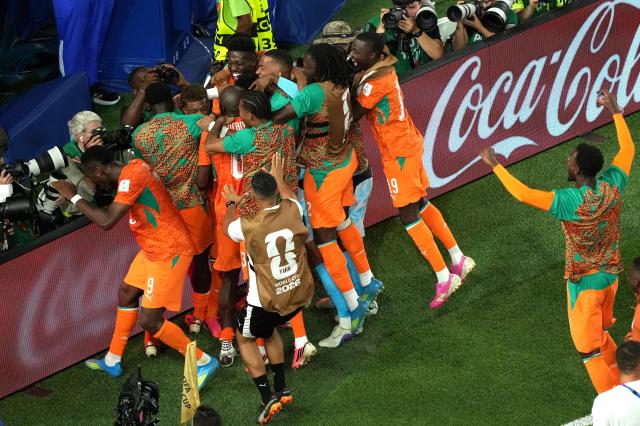
Ivory Coast then secured Africa's first victory of the tournament, defeating Ecuador 1-0 thanks to Amad Diallo's dramatic 90th-minute winner.
There have also been setbacks.
South Africa suffered a 2-0 defeat to hosts Mexico after being reduced to nine men, while Tunisia endured a heavy 5-1 loss to Sweden.
Yet Africa's strongest contenders are still to come.
Senegal, Algeria and Ghana have yet to make their tournament debuts, while Egypt will seek its first-ever World Cup victory despite being Africa's most successful nation in Africa Cup of Nations history.
If the opening week is any indication, the 2026 World Cup may become a showcase for a broader shift in global football.
Europe and South America remain the favorites, but teams from Asia-Pacific and Africa increasingly look capable of turning matches that once seemed predictable into genuine contests.

Copyright ⓒ Aju Press All rights reserved.