

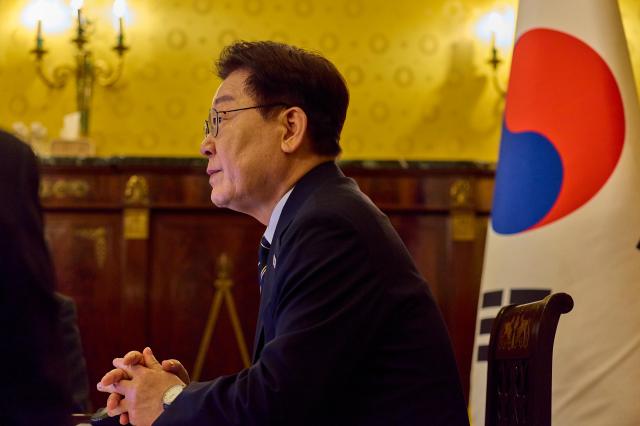
SEOUL, June 15 (AJP) - South Korea's main opposition gained further ground in the aftermath of the June 3 local elections, recording its strongest support since former President Yoon Suk Yeol's impeachment and President Lee Jae Myung's victory in the subsequent snap election.
A Realmeter survey found support for the conservative People Power Party (PPP) rose for a third straight week to 44.3 percent, its highest level since Lee took office, widening its lead over the ruling Democratic Party to 6.3 percentage points, outside the margin of error.
The Democratic Party's support fell to 38.0 percent, slipping below 40 percent for the first time since the second week of August last year.
At the same time, Lee's job approval rating dropped 3.7 percentage points from a week earlier to 51.5 percent, extending a monthlong decline that has erased nine percentage points from its mid-May peak of 60.5 percent.
Negative assessments rose 3.2 percentage points to 44.2 percent, while 4.3 percent were undecided.
Realmeter attributed the deterioration in public sentiment to lingering fallout from the June 3 local elections, including ballot shortages and vote-counting errors that have fueled criticism of the National Election Commission and triggered demands for investigations by civic groups and university students.
The pollster also cited persistent economic pressures, including a weak won and elevated inflation, as weighing on the administration.
The nationwide survey of 2,515 eligible voters aged 18 and older was conducted between June 8 and June 12 through automated mobile phone interviews.
Realmeter said the PPP appeared to have broadened its appeal beyond its traditional base by attracting some centrist, progressive and younger voters after taking a hard-line stance on the election controversy, including calls for a parliamentary investigation and a special counsel probe into alleged election mismanagement.
The ruling party's decline reflected growing criticism over its handling of the election outcome and intensifying internal divisions.
Pressure has mounted on Democratic Party leader Jung Chung-rae, with several lawmakers openly questioning his leadership and calling for him to take responsibility for the result.
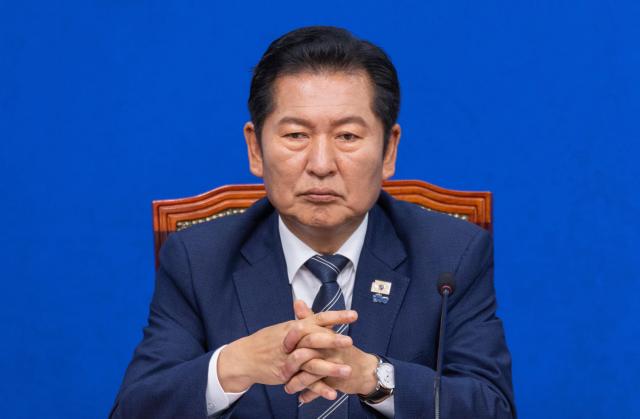
Lawmakers Hwang Myung-sun and Lee Un-ju, both considered close to President Lee, have publicly raised concerns about Jung's leadership. During a closed-door caucus meeting on June 11, some lawmakers reportedly urged him to resign.
Jung's supporters have countered that there are no grounds under party rules for his immediate departure and that he should remain in office until the party leadership race next month.
Support for the minor Rebuilding Korea Party stood at 3.7 percent, followed by the New Reform Party at 2.8 percent and the Progressive Party at 1.2 percent.
A protest in Seoul's Jamsil, triggered by the ballot shortage crisis in the June 3 local elections, entered its 11th day on Monday.
Copyright ⓒ Aju Press All rights reserved.
