

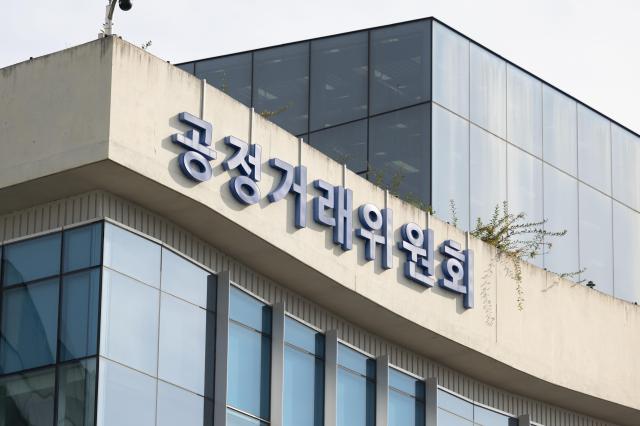
Fair Trade Commission in Sejong City, South Korea. 2023.10.13[Photo by Yoo Dae-gil]
Local ordinances requiring developers and manufacturers of regional souvenirs to reside within the area will be eliminated. Additionally, the capital requirements for agricultural wholesale market corporations criticized for excessively limiting competition are expected to be reduced.
On June 18, the Fair Trade Commission announced that it has collaborated with local governments to improve 233 unreasonable ordinances and regulations nationwide that restrict competition among businesses or undermine consumer rights.
The ordinances revised by the Fair Trade Commission fall into several categories: 36 related to entry restrictions, 34 concerning discrimination against businesses, 3 limiting competitive capabilities, and 160 undermining consumer rights.
Specifically, the capital requirements for agricultural wholesale market corporations and the number of vehicles required for car rental business registration have been relaxed, taking into account the needs of businesses. Some local governments that previously lacked clear principles for selecting contractors in areas such as tourism promotion and facility management have been directed to specify the principle of open competition. The Fair Trade Commission expects these measures will lower barriers and facilitate market entry for new businesses.
Moreover, certain ordinances that limited market participation by specific businesses, thereby reducing competition in local markets, have been addressed. For instance, some local regulations mandated that souvenirs must be developed or produced by residents of the area, which has now been amended to allow for any product that reflects local identity.
To enhance competitive conditions in the local construction industry, unnecessary competition among local construction and stone companies has been discouraged by some local regulations. The Fair Trade Commission explained that such provisions could reduce competition among businesses and encourage collusion.
Provisions that asymmetrically defined usage fees and penalties in local regulations have also come under scrutiny. When local governments operate facilities for youth, sports, or lifelong education, they will be required to follow the Fair Trade Commission's consumer dispute resolution standards regarding refunds and penalties if applicants are unable to use the facilities as intended.
The Fair Trade Commission is committed to identifying and improving ordinances that restrict competition and undermine consumer rights each year. It is also encouraging voluntary participation from local governments in conjunction with the Ministry of the Interior and Safety's joint evaluations. In 2024, the commission collaborated with local governments to improve 173 ordinances, including 33 related to entry restrictions, 31 concerning discrimination against businesses, 25 limiting business activities, and 84 undermining consumer rights.
On June 18, the Fair Trade Commission announced that it has collaborated with local governments to improve 233 unreasonable ordinances and regulations nationwide that restrict competition among businesses or undermine consumer rights.
The ordinances revised by the Fair Trade Commission fall into several categories: 36 related to entry restrictions, 34 concerning discrimination against businesses, 3 limiting competitive capabilities, and 160 undermining consumer rights.
Specifically, the capital requirements for agricultural wholesale market corporations and the number of vehicles required for car rental business registration have been relaxed, taking into account the needs of businesses. Some local governments that previously lacked clear principles for selecting contractors in areas such as tourism promotion and facility management have been directed to specify the principle of open competition. The Fair Trade Commission expects these measures will lower barriers and facilitate market entry for new businesses.
Moreover, certain ordinances that limited market participation by specific businesses, thereby reducing competition in local markets, have been addressed. For instance, some local regulations mandated that souvenirs must be developed or produced by residents of the area, which has now been amended to allow for any product that reflects local identity.
To enhance competitive conditions in the local construction industry, unnecessary competition among local construction and stone companies has been discouraged by some local regulations. The Fair Trade Commission explained that such provisions could reduce competition among businesses and encourage collusion.
Provisions that asymmetrically defined usage fees and penalties in local regulations have also come under scrutiny. When local governments operate facilities for youth, sports, or lifelong education, they will be required to follow the Fair Trade Commission's consumer dispute resolution standards regarding refunds and penalties if applicants are unable to use the facilities as intended.
The Fair Trade Commission is committed to identifying and improving ordinances that restrict competition and undermine consumer rights each year. It is also encouraging voluntary participation from local governments in conjunction with the Ministry of the Interior and Safety's joint evaluations. In 2024, the commission collaborated with local governments to improve 173 ordinances, including 33 related to entry restrictions, 31 concerning discrimination against businesses, 25 limiting business activities, and 84 undermining consumer rights.
* This article has been translated by AI.
Copyright ⓒ Aju Press All rights reserved.