

Interest in the real estate market often centers on home prices. News typically focuses on how much Seoul apartment prices have risen, which areas have set new records, and whether supply is lacking or excessive. However, a longer view of the real estate market reveals a more critical variable: interest rates. While home prices can fluctuate, interest rates fundamentally shape a society's asset markets, consumption, investment, and overall debt structure.
Recently, the U.S. Federal Reserve held interest rates steady but hinted at the possibility of future increases. The Bank of Korea is also facing pressure to raise rates, considering inflation and household debt issues. Some market analysts predict one or two rate hikes within the year. The expectation of rate cuts has shifted to concerns about tightening monetary policy.
For the past decade, South Korea has grown accustomed to low interest rates. Whether purchasing a home, investing in stocks, or expanding a business, low rates have been taken for granted. With manageable debt burdens, asset prices have risen, and leveraging debt for investment has become a common choice. The rapid increase in real estate prices has been one of the outcomes of this low-rate environment.
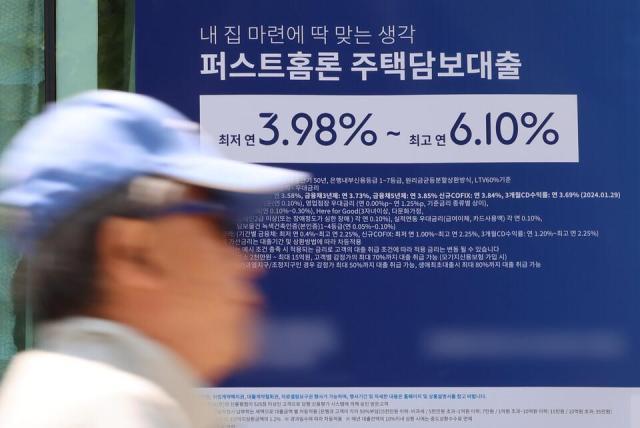
However, when interest rates begin to rise, the situation changes. Even if home prices remain stable, the burden of interest payments increases. The issue is not owning a 1 billion won apartment but rather the rising costs of the money borrowed to purchase it. In fact, many asset market crises often begin with deteriorating cash flow rather than falling prices. The real estate market becomes unstable when the burden of principal and interest repayments reaches an unsustainable level.
This issue is not limited to households. Businesses face similar challenges. Models that thrived during low-interest periods may struggle in a high-rate environment. Companies with low profitability cannot bear the increased borrowing costs and may face restructuring pressures. Problems with real estate project financing have also emerged as a result of rising costs of capital. While the market often discusses real estate trends, the underlying issue frequently relates to financial costs.
The government is not exempt from these challenges. As national debt rises, increasing interest rates exacerbate fiscal burdens. Even if the size of the debt remains constant, interest expenses grow. Ultimately, this means future generations will bear a heavier financial load. High interest rates affect households, businesses, and the government simultaneously.
A more significant concern is that South Korea carries one of the highest levels of household debt in the world. In economies with low debt, rising interest rates may only slow growth. However, in highly indebted economies, reduced consumption, investment contraction, and asset market adjustments can occur simultaneously. It is the weight of debt, rather than the economy's strength, that hampers growth.
Thus, what is needed now is not endless debate over home price forecasts. The focus should be on building an economy resilient enough to withstand rising interest rates. Households must reduce reliance on excessive leverage for consumption and investment, while businesses should foster growth through productivity and technological competitiveness rather than borrowing. The government also needs to prioritize fiscal soundness over short-term economic stimulus.
Many people wonder whether home prices will rise or fall in the future. However, the more pressing question is whether we can manage the costs of rising interest rates. Home prices are determined by the market, but interest rates are dictated by reality. Ultimately, what burdens people the most is not the price of assets but the cash that flows out each month.
In the end, it is the interest rates that pose a greater threat than home prices.
* This article has been translated by AI.
Copyright ⓒ Aju Press All rights reserved.