

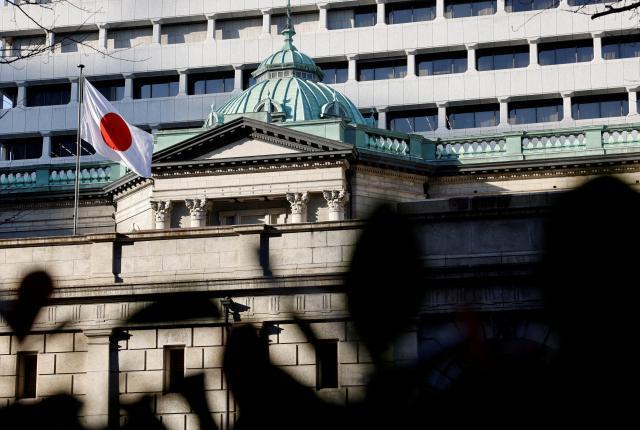
The Bank of Japan (BOJ) is increasingly expected to raise its benchmark interest rate once more this year. Following a recent increase that brought rates to their highest level since 1995, inflationary pressures and a weakening yen are raising the likelihood of further adjustments.
According to a survey conducted by Bloomberg on 44 economists, 90% anticipate that the BOJ will raise the current benchmark rate of 1% again by its meeting in December.
Among the respondents, 52% pointed to December as the most likely time for the next increase, while 36% predicted it would happen in October. About a quarter of those surveyed suggested September as the earliest possible date.
On June 16, the BOJ raised its benchmark rate to 1%, marking its first adjustment since December of last year. The decision was based on the growing likelihood that inflation, excluding temporary factors, could exceed the target rate of 2%.
Market observers are closely watching whether the BOJ will move more quickly than its previous pace of adjustments every six months.
Marcel Thillien, head of Asia-Pacific at Capital Economics, stated, "The BOJ has reduced concerns about a worse-than-expected economic outlook while recognizing the increased likelihood of rising prices," predicting an additional rate hike in October and three more adjustments in 2027.
The weakening yen is also contributing to the pressure. Following the BOJ's recent meeting, the yen has fluctuated around 160 yen per dollar. With the U.S. Federal Reserve and the European Central Bank moving toward rate hikes, there are expectations that Japan may also accelerate its own adjustments.
Projections for next year have also increased. The median forecast from the survey suggests a benchmark rate of 1.5% by the end of 2027, indicating one more hike this year followed by another next year. The ultimate rate forecast has risen to 1.75%, up from 1.5% in an earlier survey conducted earlier this month.
Within the BOJ, support for rate hikes is gaining traction. During the April meeting, three members advocated for an increase, opposing the decision to maintain the current rate, and some members who had supported the freeze have recently acknowledged the need for adjustments.
* This article has been translated by AI.
Copyright ⓒ Aju Press All rights reserved.