

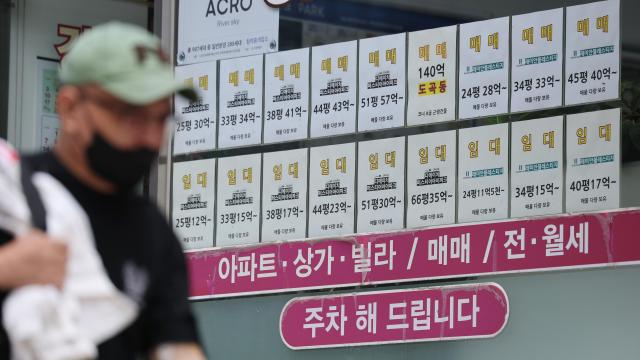
Seoul's rental market is once again putting pressure on tenants. According to weekly statistics from the Korea Real Estate Agency, apartment rental prices in Seoul have risen for 70 consecutive weeks, reaching their highest growth rate in nearly 10 years and 8 months. The rental crisis is not limited to specific popular districts; across Seoul, the number of available homes for tenants is decreasing, while demand for the remaining properties is increasing.
Indicators reflect this trend. The KB Real Estate rental supply index for Seoul has surpassed 180, significantly above the baseline of 100, indicating that demand is outpacing supply. The index for the northern districts of Seoul is even higher than the city average. With the burden of housing costs, many potential buyers are opting to remain renters, yet the number of available rental properties is dwindling. For tenants, the issue is not just the rising rental prices but also the availability of alternative housing.
The essence of the rental crisis lies in the reduction of options rather than just price increases. The current rental crisis is characterized more by a decrease in supply than an increase in demand. Landlords prefer monthly rents or half-monthly rents over traditional leases, and existing tenants are reluctant to move due to rising living costs. As current tenants stay put, the number of new rental listings continues to decline. It is not that rental demand has vanished; rather, the supply of rental properties is shrinking.
The shift towards monthly rents is exacerbating the rental crisis, spreading the burden of housing costs. As the proportion of monthly rents increases in new lease agreements, tenants seeking traditional rentals must compete in a shrinking market. This may force them to raise their deposits, accept higher monthly payments, or move to less desirable areas. As the transition to monthly rents accelerates, the rental crisis increasingly affects lower-income and younger demographics.
The shortage of available units is another variable for the rental market in the second half of the year. A decrease in new units in Seoul impacts the rental market before affecting the sales market. New apartment completions are necessary for existing tenants to move, which in turn releases more rental properties into the market. If the demand for relocation due to redevelopment projects overlaps with this, rental instability in certain areas could spread to surrounding regions.
While managing rental loans, it is crucial to ensure they are directed toward genuine demand. It cannot be overlooked that rental loans support rental prices. However, tightening loans in the current deepening rental crisis will primarily increase the burden on tenants without homes. Speculative and circumvention loans should be restricted, but measures should not prevent genuine tenants from moving. Financial regulations must go hand in hand with supply measures.
The government and local authorities must immediately convert available units into move-in ready conditions. Public rental vacancies, purchased rentals, and rental units must be made accessible for tenants. The timing of relocations due to redevelopment projects should be staggered according to local rental conditions. For those facing increased monthly rent burdens, tax deductions and housing cost support should be applied more comprehensively. The criteria for measures should focus on the availability of homes that tenants can actually occupy, rather than just announced figures.
In the medium to long term, actual supply must be accelerated. The number of permits is less important than the volume confirmed through construction and occupancy. Rental instability can also spill over into the sales market. When rental prices are unstable, tenants are pushed toward purchasing, making it difficult to stabilize sales prices. Solutions to the rental crisis should not only focus on suppressing demand. It is essential to increase the number of homes that tenants can actually occupy and expedite the availability of new units. Without stabilizing the rental market, long-term housing stability will remain elusive.
* This article has been translated by AI.
Copyright ⓒ Aju Press All rights reserved.