

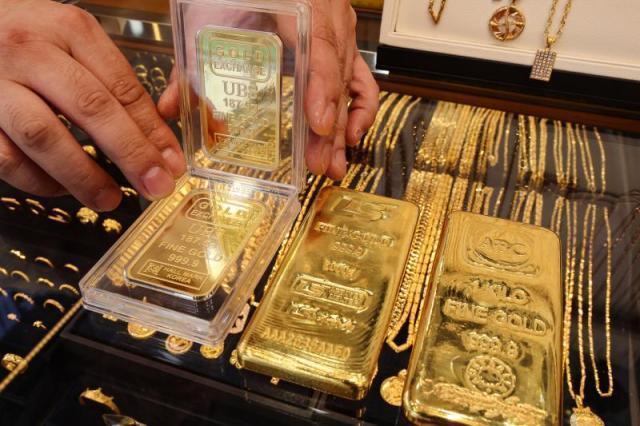
On June 19, Bloomberg reported that Goldman Sachs set its December gold price target at $4,900 per ounce, a reduction of $500 from its previous estimate. This figure is still higher than current market prices, indicating a potential for price increases in the second half of the year, albeit at a smaller scale than previously anticipated.
The primary reason for the lowered target is the belief that the timing of interest rate cuts may be delayed. Goldman Sachs has pushed back its expectations for U.S. interest rate reductions from December of this year and March of next year to June and December of next year. A delay in rate cuts could diminish the investment appeal of gold, which does not yield interest, and may reduce the inflow of funds into exchange-traded funds (ETFs) that track gold prices.
Gold prices have shown weakness in recent months, driven by rising energy prices due to conflicts in the Middle East, which have increased inflationary pressures. The Fed maintained its current interest rate this week, but policymakers have kept the possibility of future rate hikes open.
Goldman Sachs believes that if actual rate hikes occur, the decline in gold prices could become more pronounced. An increase in rates could lead to a decrease in demand for gold as a hedge against economic and inflation uncertainties, potentially driving year-end prices down to $4,400 per ounce.
However, there are still factors supporting gold prices. Goldman Sachs anticipates continued purchases by central banks, estimating an average monthly purchase of 50 tons this year and 40 tons next year.
Currently, spot gold is trading around $4,168 per ounce. After reaching a record high of nearly $5,600 per ounce at the end of January, gold has been undergoing a correction and has experienced three consecutive weeks of declines.
* This article has been translated by AI.
Copyright ⓒ Aju Press All rights reserved.