

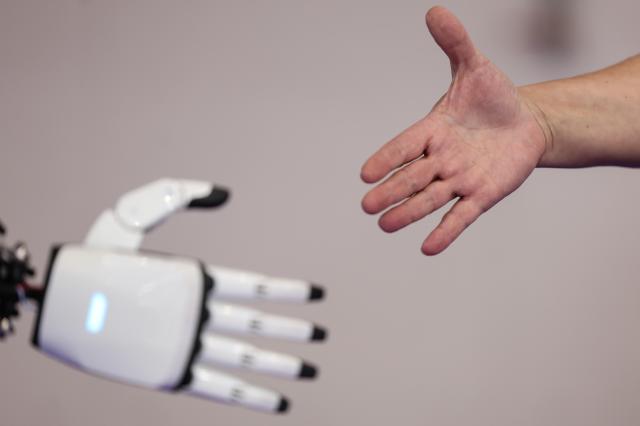
K-content is evolving into a new growth engine, expanding its reach from the brains of robots to offline experiences in Seongsu-dong. There is a growing number of cases where content IP is utilized as a core asset of physical AI or expanded into offline spaces to create added value.
During the 2026 Content Industry Forum held from June 17 to 19 at the CKL Stage in Gwanghwamun, various innovative examples were presented, including the integration of content IP with AI to discover new business opportunities and the implementation of game universes in offline spaces to enhance fan experiences. This demonstrates how content is evolving from mere consumption to a key asset driving the entire industry.
Training Robots with Game Technology and Overcoming Production Cost Challenges with AI
NCSoft's NC AI is expanding its generative AI technology accumulated during game development into a new growth engine. NC AI has developed technology to automatically generate buildings, props, and character animations within games. Utilizing technologies like VARCO SyncFace, it creates character faces, expressions, and gestures that match voice inputs, automating the animation production process.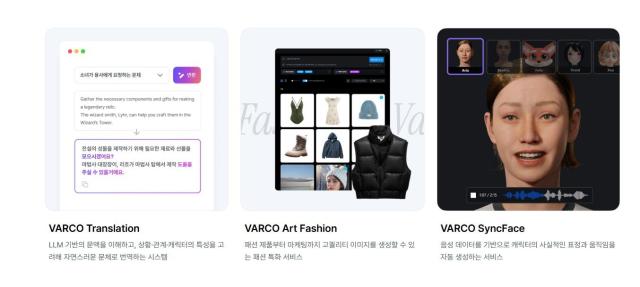
However, there remains significant resistance to the use of generative AI in the gaming industry. Both developers and users are cautious about its application in the production of AAA games.
Undeterred, NC AI has found a new breakthrough: 'Physical AI.' Jang Han-yong, head of NC AI, explained, "Content AI generation technology is currently being utilized in the field of physical AI," stating that it is used in 'world models' to teach robots to make decisions like humans. Just as humans predict and catch the movement of a ball, robots must also predict future situations and make decisions in virtual environments, using content technology developed for 3D game production.
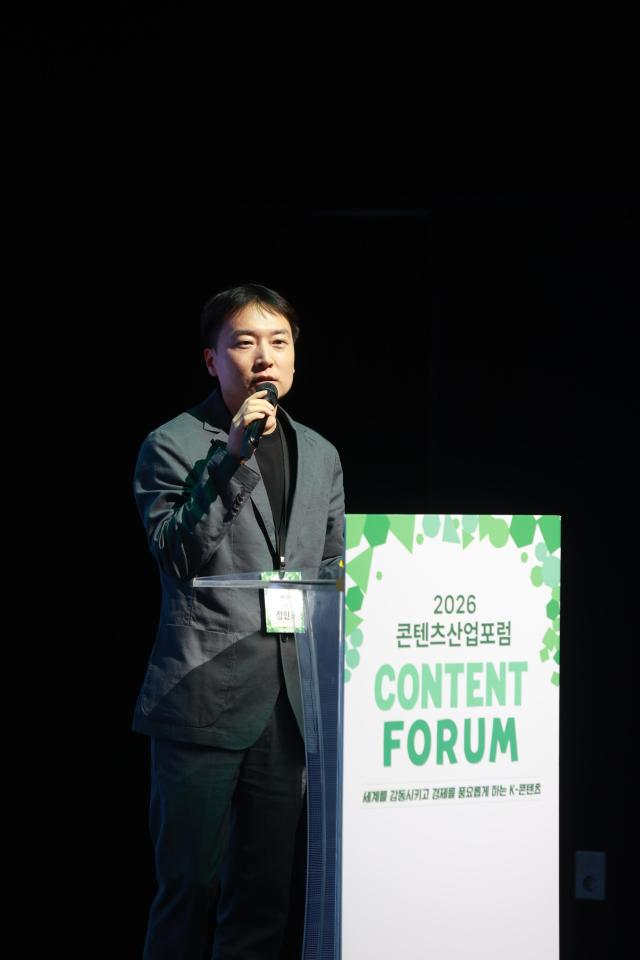
NC AI is currently supplying world model technology to various industries, including logistics, defense, shipbuilding, and steel. The data and technology accumulated for creating NPC games are being utilized as key assets to assist robots in learning and decision-making.
Jang stated, "In the era of physical AI, the importance of content will only grow," predicting that a productivity revolution will lead to an explosive increase in leisure time, making content production even more crucial in the future.
Broadcasters are also seeking survival strategies through AI. With the rise of OTT platforms, production costs for dramas have skyrocketed, while advertising revenues have significantly declined, making it difficult to maintain competitiveness with traditional production methods.

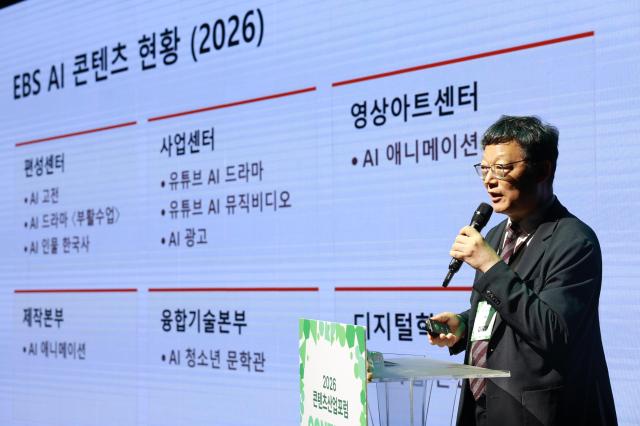
Various projects are underway, including AI dramas, AI educational content, and AI animations. The programming center has created the AI drama 'Resurrection Class' and an AI historical education program for children. The Convergence Technology Division is developing an AI youth literature museum that will adapt novels into video, set to air starting in August. Currently airing is the educational program 'AI Classics that Changed History,' which aims to produce 1,000 episodes by the end of the project.
EBS President Kim Yoo-yeol stated, "In animation, the production cost per minute is about 14 million won, but with AI, it can be reduced to one-fortieth of that amount," adding that if they can break into various fields through disruptive innovation, it will help overcome the challenges faced by terrestrial broadcasters. He continued, "By appropriately utilizing AI technology, we could mass-produce content targeting overseas markets," emphasizing that without disruptive innovation, survival would be impossible.
"Experiential Satisfaction is the New Competitive Edge"
Content IP is expanding beyond the digital realm into the real world.
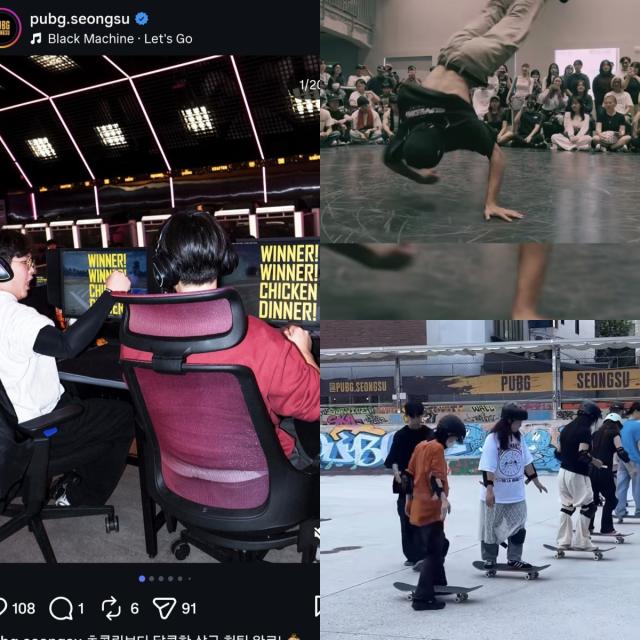
Krafton operates a multi-cultural space called 'PUBG Seongsu,' which expands the universe of its flagship game 'Battlegrounds' into an offline setting. Since its opening last year, it has attracted approximately 120,000 visitors within just six months, proving the potential for offline expansion of game IP.
PUBG Seongsu uniquely blends the Battlegrounds universe with the hip culture of Seongsu-dong. It features a PC bang designed to replicate the atmosphere of an esports arena, a survival hall for dance battles and conferences, a café offering menu items inspired by game items, and rooftop and skateboarding spaces.
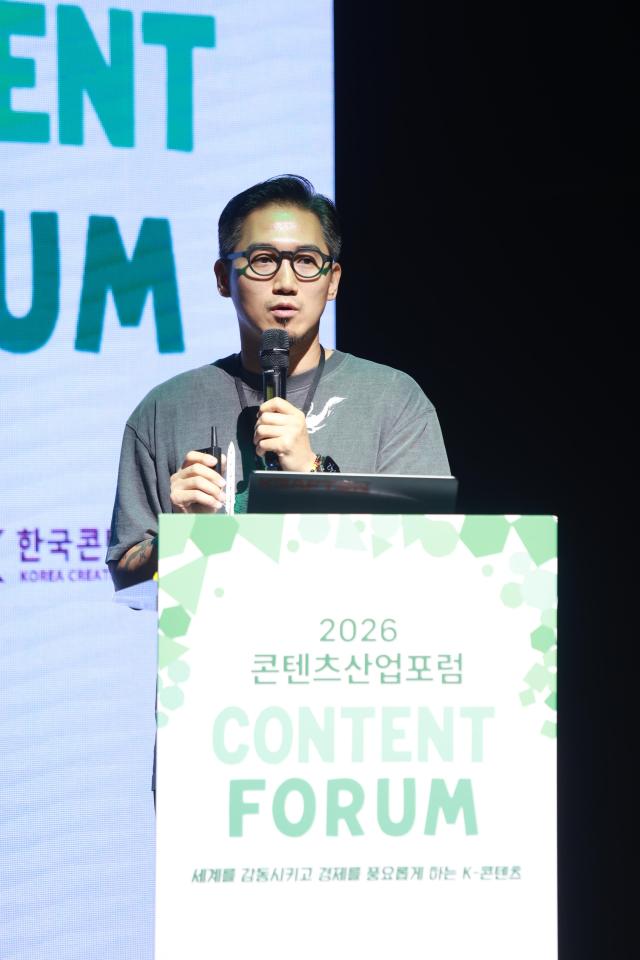
Jeong Hyun-seob, director of PUBG Seongsu, emphasized the importance of offline experiences, stating, "With the advancement of AI, there is a growing fatigue towards digital culture." He added, "PUBG Seongsu not only broadens the connection with gamers but also serves as a space to experiment with the potential for IP expansion in F&B (food and beverage) and content, quickly gathering insights to discover elements for global expansion."
Shinsegae Group is also transforming content consumption into an experience-oriented approach through its experiential space 'Hyperground,' which combines fashion, beauty, and food and beverage. Launched in May 2023 at the Shinsegae Centum City store in Cheonan, Hyperground plans to open additional locations in Cheonan-Asan later this year, following its Daejeon store opened last year.

Kim Chang-rok, head of Shinsegae Hyperground, stated, "In May, we introduced Hyper Garden to provide a natural indoor garden experience for younger generations who are reducing outdoor activities," explaining that it offers a cool indoor space to enjoy an outdoor atmosphere by linking fashion and fragrances.
Hyperground also operated a photo booth replicating the atmosphere of the BTS concert in Busan. Based on this, Shinsegae is planning to open pop-up stores in major overseas markets, including Hankyu Umeda, Isetan Shinjuku, and Shibuya 109, expanding into a K-lifestyle platform. In October, they will host the 'K-Culture Festa,' showcasing K-fashion, beauty, and F&B in collaboration with shopping malls in the Shibuya area of Japan.
Kim added, "Our goal is to create experiential spaces that satisfy all five senses, which will also help promote Korean content abroad," emphasizing the need for continuous challenges to harmonize the roles of online and offline experiences.
* This article has been translated by AI.
Copyright ⓒ Aju Press All rights reserved.