

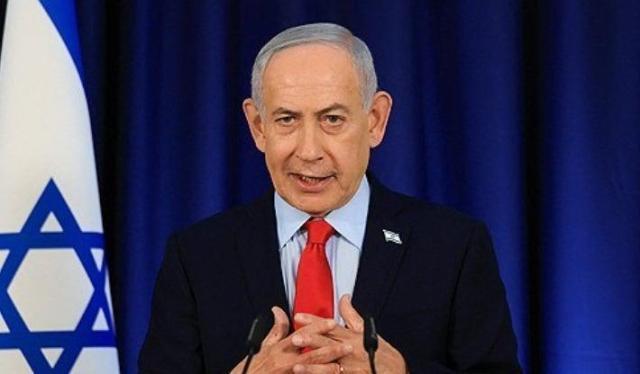
Israeli Prime Minister Benjamin Netanyahu has declared that he will not tolerate Iran's pursuit of nuclear weapons or the rearmament of Hezbollah. As negotiations between the U.S. and Iran regarding a ceasefire agreement face challenges over Lebanon, Israel has reaffirmed its commitment to military pressure.
During a memorial event on June 21 for his brother Yoni Netanyahu, who was killed during the Entebbe hostage rescue operation, Netanyahu stated, "I will not allow Iran to possess nuclear weapons under any diplomatic circumstances." He emphasized, "As long as I am Prime Minister of Israel, that will never happen."
Netanyahu also justified Israel's military operations against Iran, claiming they were necessary to eliminate an immediate existential threat posed by the Iranian regime. He warned, "Had we not acted preemptively, they would have already acquired a nuclear bomb and used it."
On the issue of Hezbollah, Netanyahu maintained his firm stance, asserting, "We have achieved tremendous military successes, and we will not give them up. We will continue to maintain our presence in the southern security zone of Lebanon for as long as necessary to protect the residents of northern Israel from Hezbollah attacks."
He reiterated, "As Prime Minister of Israel, I will uphold this position clearly and firmly; nothing will change that."
Netanyahu's remarks come amid difficulties in the initial meetings of follow-up negotiations between the U.S. and Iran. Iran has prioritized stability along the Lebanon front and the implementation of the ceasefire agreement over nuclear issues in the talks. In contrast, the U.S. views limiting Iran's nuclear program, resuming international inspections, and ensuring stability in the Strait of Hormuz as key agenda items.
The Lebanon issue has emerged as a significant variable in the follow-up negotiations. Hezbollah has claimed that if Israeli forces continue to remain in Lebanon, Iran will not sign the final nuclear agreement. Recently, Hezbollah's leadership also stated they would respond to any violations of the ceasefire by Israel.
While Israel views its presence in southern Lebanon as a security measure, Iran and Hezbollah see it as an obstacle to the implementation of the ceasefire agreement. With Netanyahu's clear intention to maintain military pressure, the upcoming 60-day follow-up negotiations between the U.S. and Iran are expected to become more complex, intertwining both nuclear and Lebanon front issues.
* This article has been translated by AI.
Copyright ⓒ Aju Press All rights reserved.