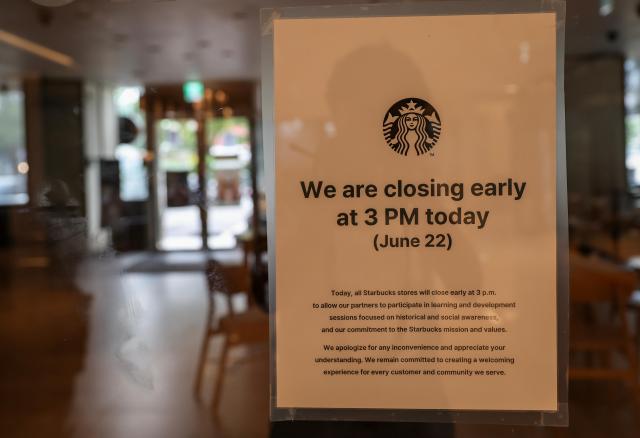
SEOUL, June 22 (AJP) -For three hours on Monday afternoon, South Korea's busiest coffee shops stopped serving lattes and became temporary classrooms. At 3 p.m., Starbucks Korea simultaneously closed more than 2,160 stores nationwide, marking its first nationwide early closure since opening its first Korean outlet near Ewha Womans University in 1999.

The unprecedented shutdown and self-imposed business suspension was not caused by a labor strike, a natural disaster or a system outage. Instead, employees were asked to study contemporary South Korean history. The mandatory training, conducted in the wake of last month's "Tank Day" controversy, focused on historical awareness, social sensitivity and ethical decision-making. Workers on leave will be required to complete the courses online at a later date.

The move followed intense criticism over a May 18 promotional campaign that offered discounts on tumblers branded as "tanks" under the slogan "Tank Day." The timing coincided with the 46th anniversary of the 1980 Gwangju Democratization Movement, during which military tanks and armed forces were deployed against pro-democracy demonstrators. Critics also took issue with the phrase "Bang on the desk!" ("Chaeksange Tak!"), saying it evoked not only the Gwangju crackdown but also the notorious phrase associated with the military regime's attempt to cover up the 1987 torture death of student activist Park Jong-chul.
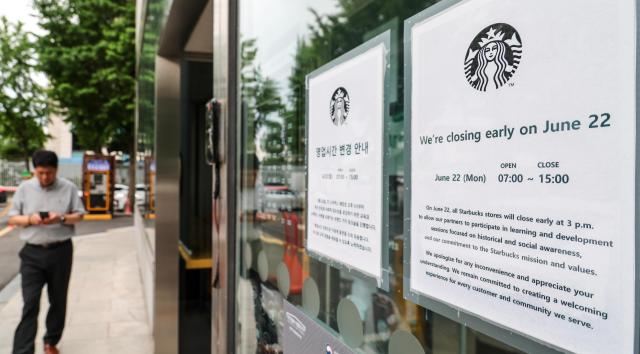
Public backlash spread rapidly across social media, with civic groups accusing the company of displaying a profound lack of historical awareness. Starbucks Korea subsequently canceled the campaign and issued a public apology. But rather than treating the episode as a one-off marketing mistake, the company has turned it into a case study in corporate governance.
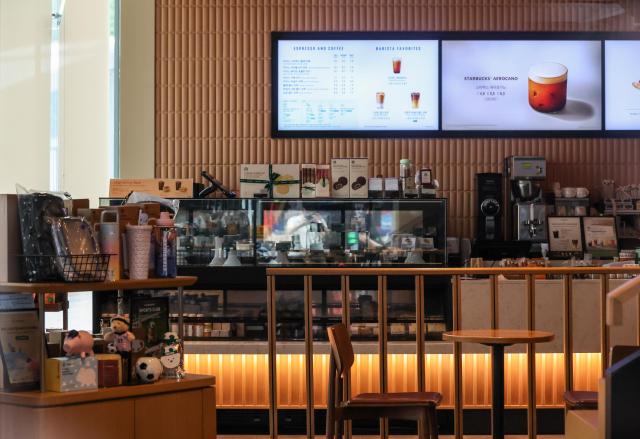
Starbucks Korea said it will overhaul its marketing decision-making process by introducing mandatory social-sensitivity checklists and a multi-stage review system designed to prevent similar incidents. What emerged Monday was an unusual image: coffee shops transformed into spaces of collective reflection.
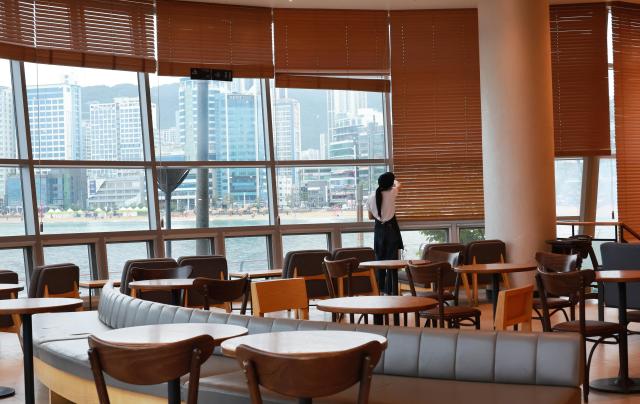
Employees gathered not to learn how to sell more coffee but to revisit events that shaped modern South Korea, from military rule and democratic uprisings to the social responsibilities expected of companies operating in the country today. The exercise underscores a broader lesson that has extended beyond Starbucks itself. In South Korea, where the memory of democratization remains deeply intertwined with national identity, historical literacy is increasingly becoming a form of corporate risk management.

Copyright ⓒ Aju Press All rights reserved.