

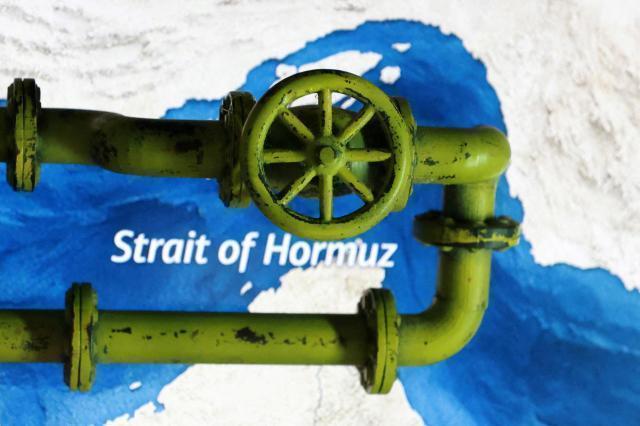
International oil prices fell on June 23 as concerns over disruptions in oil transport through the Hormuz Strait eased due to progress in negotiations between the U.S. and Iran. The resumption of operations by some oil tankers and liquefied natural gas (LNG) carriers, along with a temporary waiver of sanctions on Iranian oil by the U.S., contributed to this decline.
On the Intercontinental Exchange, August Brent crude futures settled at $77.08 per barrel, down 1.05% from the previous session. Meanwhile, West Texas Intermediate (WTI) crude for August delivery closed at $73.21 per barrel, a decrease of 0.88%. This marks the lowest level for WTI since March 2 and the lowest for Brent since the outbreak of the conflict.
According to vessel tracking data, three supertankers passed through the Hormuz Strait on that day. Additionally, LNG carriers linked to Qatar resumed some operations. Some vessels were seen transiting the strait with their satellite tracking signals activated, signaling a limited recovery in energy transport.
The International Maritime Organization (IMO), a UN agency, has begun coordinating the movement of vessels that were previously stranded in the Gulf region. The IMO is working to facilitate the passage of hundreds of ships and approximately 11,000 crew members through the Hormuz Strait. Due to the ongoing risks of collisions and mines in the area, temporary routes are being considered instead of traditional shipping lanes.
The U.S. Treasury Department issued a license to temporarily waive sanctions on Iranian oil for 60 days as part of the agreement with Iran. This has led to market assessments indicating a reduced likelihood of significant disruptions to Iranian oil exports in the short term.
However, it is expected to take time for the Hormuz Strait to return to normal operations. Issues such as mines, safety concerns regarding shipping routes, damage to ports and energy facilities, and increased insurance and transit costs remain. There is considerable uncertainty regarding when actual shipping volumes will return to pre-conflict levels.
* This article has been translated by AI.
Copyright ⓒ Aju Press All rights reserved.