

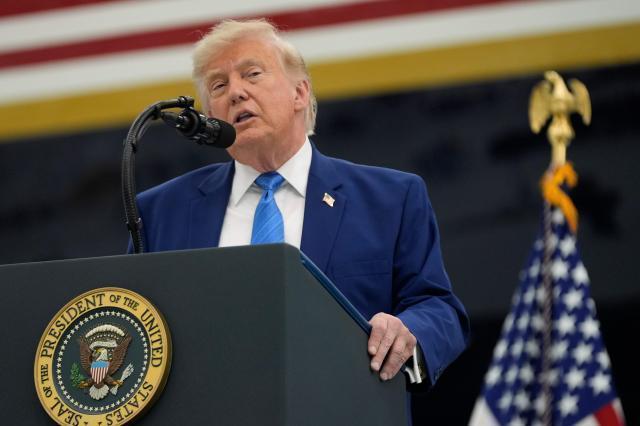
In a phone interview with Fox News on June 24, Trump stated, "There is no rush to send the inspection team to Iran," but emphasized that U.S. inspectors would accompany the IAEA as they search for highly enriched uranium (HEU) in the country.
The day before, Trump told reporters that the IAEA team would be deployed to Iran's nuclear sites at a "proper time." He dismissed Iran's denial of the IAEA's inspection plans, asserting, "They are wrong. If they were right, I would cancel the meeting right now."
In contrast, Iranian Foreign Ministry spokesman Esmail Baghaei refuted reports that Iran had accepted IAEA inspections of its facilities, which have been targeted by U.S. airstrikes. He stated, "The decision to resume inspections will depend on the process and outcomes of future peace negotiations."
The U.S. and Iran are continuing follow-up negotiations after signing a memorandum of understanding (MOU) to end hostilities, but they remain divided over the timing and scope of nuclear inspections. The U.S. views IAEA inspections and verification of HEU as critical steps in fulfilling the agreement, while Iran insists that discussions on resuming inspections should occur only after a final agreement and sanctions relief.
During a visit to the U.S. Senate, Trump remarked, "Iran is making very big concessions," adding, "We are winning big." This statement appears aimed at countering domestic criticism that the U.S. has made excessive concessions to Iran and highlighting that negotiations are progressing favorably for the U.S.
Ongoing follow-up negotiations are expected to continue facing challenges over the issue of nuclear inspections. While the U.S. is pressing for the resumption of inspections, Iran is linking this to the outcomes of negotiations, suggesting that final agreements may take time.
* This article has been translated by AI.
Copyright ⓒ Aju Press All rights reserved.