

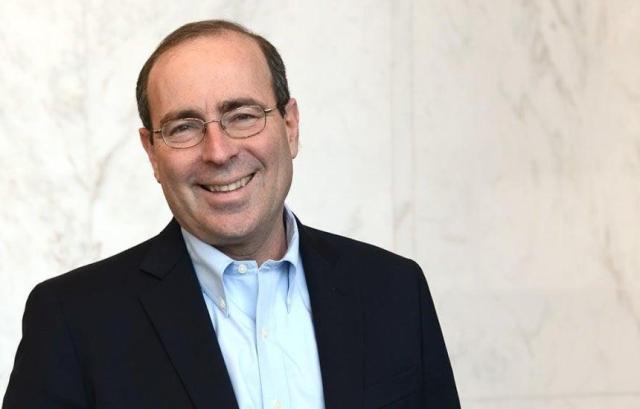
Concerns about rising inflation persist within the U.S. Federal Reserve. Thomas Barkin, President of the Richmond Federal Reserve, stated that while recent inflation indicators remain high, there is potential for some price pressures to ease due to falling oil prices and reduced tariffs.
In an interview at the Aspen Ideas Festival in Aspen, Colorado, on June 28, Barkin remarked, "Those numbers are still too high," referring to the latest inflation data.
The U.S. Commerce Department reported that the Personal Consumption Expenditures (PCE) price index rose 4.1% in May compared to the same month last year, marking the highest increase since April 2023. The PCE price index is a key inflation measure the Fed considers in its monetary policy decisions.
Barkin noted that while prices for oil and some goods have increased due to the impact of the war in Iran, inflationary pressures are becoming more widespread. He expressed doubt that inflation could return to the Fed's target of 2% without changes in interest rates, the labor market, or other factors that typically slow inflation.
However, he viewed the recent decline in gasoline prices in the Richmond Fed's district, following a ceasefire agreement between the U.S. and Iran, as a positive development. He also suggested that inflation pressures from tariffs and oil prices might weaken in the future.
Nonetheless, he identified strong consumer spending as a concern. Despite tariff and oil price shocks, American consumption has not significantly decreased, which could hinder efforts to bring inflation down to the Fed's target.
Barkin also highlighted that increased investment in artificial intelligence infrastructure and changes in corporate pricing strategies could contribute to inflationary pressures. He stated, "Companies consider current inflation when setting prices," suggesting that inflation could persist to some extent.
He concluded that it is reasonable to maintain monetary policy at a "somewhat restrictive level." Although the Fed held interest rates steady at the Federal Open Market Committee (FOMC) meeting earlier this month, some Fed officials have warned that rate hikes may be necessary later this year.
Barkin emphasized the need to monitor economic trends over the coming months to determine the appropriate policy path. He explained that while companies face rising input costs, consumers are sensitive to price increases, which limits the ability to pass on those costs.
* This article has been translated by AI.
Copyright ⓒ Aju Press All rights reserved.