

On July 1, Dmitry Peskov, the Kremlin spokesperson, stated during a regular briefing that the Russian government is negotiating with other countries for gasoline purchases.
"Discussions are actively ongoing," Peskov said, adding that imports would proceed if an acceptable price agreement is reached. However, he did not disclose which countries are involved in the negotiations.
Earlier, Reuters reported, citing industry sources, that Russia is considering importing 50,000 tons of AI-92 gasoline from Kazakhstan. The Kazakh Energy Minister noted that Russia had not formally requested this supply.
Russian President Vladimir Putin recently acknowledged that the country is facing fuel shortages following attacks from Ukraine. Deputy Prime Minister Alexander Novak has also emphasized that gasoline imports are a key part of the government's response, stating that special tax conditions have been established to facilitate this.
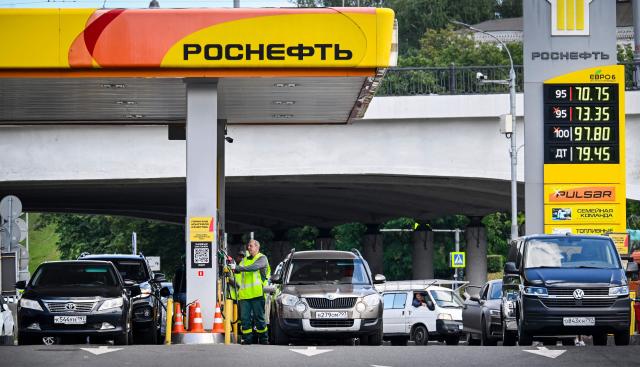
Despite being the world's second-largest oil exporter and the third-largest exporter of petroleum products, Russia's gasoline production has reportedly dropped by 25% due to the shutdown of several major refineries following drone attacks from Ukraine.
In response to ongoing supply disruptions, Russian authorities have implemented fuel rationing measures in some areas of the annexed Crimean Peninsula. The fuel shortages have coincided with the summer vacation season and the peak agricultural season, exacerbating market instability.
The average price of gasoline in Russia has risen by 9.8% this year. As of June 22, the national average price was 71.20 rubles per liter (approximately $0.87), marking a 3% increase in just one week, the largest weekly rise on record.
* This article has been translated by AI.
Copyright ⓒ Aju Press All rights reserved.