

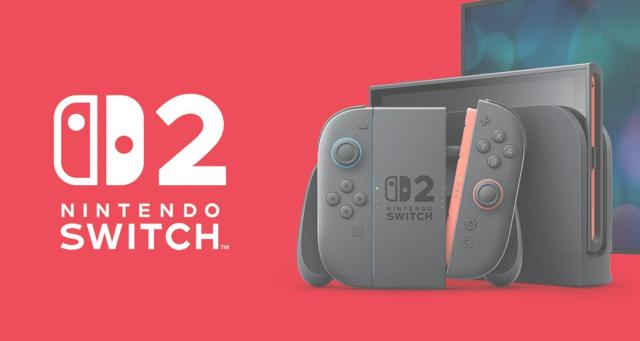
Concerns are growing that rising console prices will create barriers for new gamers. In recent years, domestic game companies have increased their focus on PC and console platforms while strengthening their efforts in overseas markets, particularly North America, which could significantly impact the domestic gaming industry.
The gaming industry anticipates that the increase in console prices will negatively affect both existing users and new entrants. The impact is expected to be particularly severe as older versions of consoles become outdated and new versions see price hikes. North America, a key export region for domestic game companies, is projected to be hit hardest.
According to the Korea Creative Content Agency's '2025 Korea Game White Paper,' North America accounts for 19.5% of Korea's game exports, making it a major market after China and Southeast Asia.
With the traditional domestic gaming market saturated in mobile (59%) and PC games (25.2%), local companies are targeting the North American market and console gaming as new growth drivers.
Nexon reported that in the first quarter of 2026, 77% of its revenue came from PC and console sales, with North America and Europe accounting for 29%. Pearl Abyss saw 94% of its revenue come from overseas during the same period, with North America and Europe making up 81%. Shift Up launched 'Stella Blade' as a PS5 exclusive before expanding to PC to target the global market.
Industry insiders agree that the rising prices of consoles and high-end PCs have made entry into gaming more challenging. Recent AAA titles are trending toward high-resolution graphics and extensive content, increasing the burden on users who must consider additional storage options like SSDs alongside the console's base price.
For new users with limited game titles, the high cost of consoles may delay their purchasing decisions.
However, some experts believe that the increase in console prices may not immediately lead to a decline in game consumption. While higher hardware prices may deter new purchases or upgrades, they are less likely to affect existing console owners' willingness to buy new titles.
In fact, spending may concentrate on proven major titles among the core user base. The demand for Nintendo's 'Animal Crossing: New Horizons' in 2020 is often cited as an example of how a 'killer title' can drive console sales.
As price pressures mount, games lacking quality or differentiation may quickly lose appeal, while spending could increasingly favor established major titles and franchises with strong fan bases, exacerbating the 'rich get richer, poor get poorer' phenomenon.
A representative from a domestic game company stated, "There is a general sense of calm regarding the rising component prices for large projects currently in development. However, companies preparing to launch new console or high-end PC titles will have to be more sensitive to changes in consumer purchasing psychology and adjust their release strategies accordingly."
* This article has been translated by AI.
Copyright ⓒ Aju Press All rights reserved.