

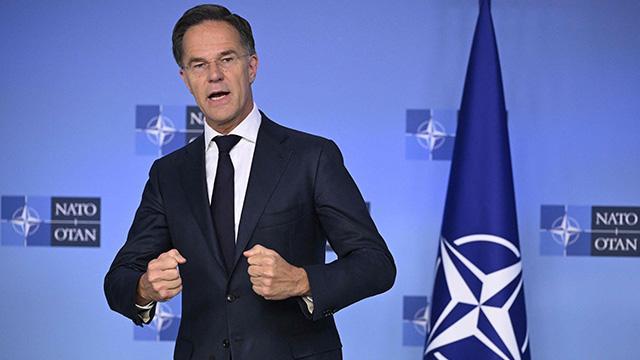
According to the Wall Street Journal on July 5, Rutte stated ahead of the NATO summit scheduled for July 7 in Ankara, Turkey, "A year ago, everything was about promises. This year, it’s about fulfilling those promises."
Last year, defense spending by NATO members, excluding the United States, reached $574 billion, a 20% increase from the previous year. Germany also raised its defense budget by 24% and plans to triple its spending by 2029 compared to 2024 levels.
The challenge lies in production capacity. Due to increased defense spending in Europe and Canada, U.S. defense contractors have received approximately $300 billion in orders, but the industry is struggling to meet these demands in a timely manner.
Rutte identified the depletion of weapons and ammunition due to the Ukraine war and the conflict in Iran, as well as limitations in recruitment and training capabilities, as bottlenecks. He also pointed out that the fragmentation of defense systems, as member countries develop similar weapons independently, is problematic.
He emphasized that investment should focus on key areas such as air defense systems, long-range precision strike weapons, drones, and integrated information and command systems. The priority is not how much money is spent, but how quickly operational capabilities can be secured for use in the field.
Rutte highlighted the ability to continuously produce and upgrade drones as a lesson from the Ukraine war. He noted that battlefield technology changes every two to three weeks, necessitating rapid adaptation in defense production systems.
During the summit, NATO will hold an industrial forum with executives from defense companies and government officials to discuss ways to expand weapons production. It is expected that contracts worth billions of dollars, preliminary agreements, and joint production accords will be announced.
* This article has been translated by AI.
Copyright ⓒ Aju Press All rights reserved.