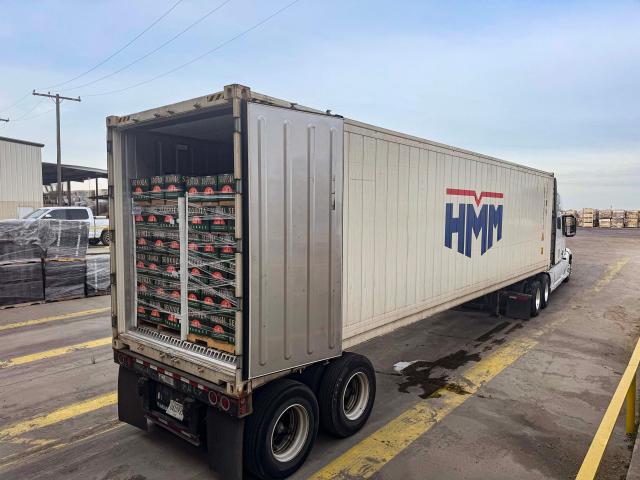
The Seoul-based shipping line revealed Wednesday that it carried 42 percent of all California oranges imported into South Korea this year, or about 3,060 twenty-foot equivalent units (TEU), according to Piers Data compiled by U.S. maritime research firm JOC.
The figure marked the top position in the segment.
HMM has held the lead since 2023, when it commanded a 25 percent share, or about 2,380 TEU, and has widened its margin even as overall orange imports declined. The company attributed the gains to steady container supply and tight vessel scheduling.
Oranges and other perishables move in refrigerated "reefer" containers, prized as high-value cargo because they demand meticulous temperature control to preserve freshness across weeks at sea. HMM has leaned on that expertise to court new business, shifting premium goods such as Washington cherries from costly air freight to the ocean.
The carrier is also riding the global appetite for Korean culture, ferrying rising volumes of K-food and K-beauty exports in reefer boxes. More recently, it has used a new West African feeder network, built on a hub-and-spoke model, to ship small domestic mackerel to a market where the fish outsells Russian and Japanese rivals on price.
"As reefer transport technology advances, the range of goods is diversifying and the pace of change is quickening," said an HMM spokesperson. "We plan to improve profitability by expanding into new, high-value markets."

Copyright ⓒ Aju Press All rights reserved.