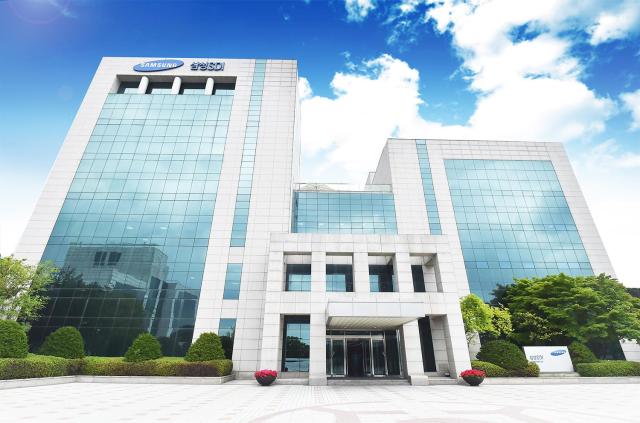
According to regulatory filings released Thursday, the firm booked an operating profit of 203.8 billion won ($141.5 million) for the three months through June, reversing a loss of 397.8 billion won a year earlier and a first-quarter shortfall of 155.6 billion won.
Revenue climbed 18.5 percent from a year earlier to 3.77 trillion won, while net profit vaulted to 471.6 billion won, up about 740 percent from the previous quarter.
"We had originally expected a turnaround in the second half, but revenue growth and improving profitability came faster than anticipated, moving up the timing of our return to profit," said a Samsung SDI spokesperson, adding that it would keep pursuing sustainable growth and firmer margins.
The battery division led the charge with an operating profit of 159.3 billion won, as sales of high-output cells for uninterruptible power supplies, backup battery units and power tools gained traction alongside brisk European electric-vehicle orders.
Momentum also came from home.
This month Samsung SDI cells were tapped for 21 of the 32 distribution lines in the government's first AI-based grid ESS program — about 66 percent of the volume, or roughly 420 megawatt-hours — the biggest share of any supplier and a lead over LG Energy Solution and SK On, positioning the firm ahead of a larger state ESS auction expected around September.
Higher-margin products, expanding U.S. output and subsidies under the Advanced Manufacturing Production Credit of the Inflation Reduction Act, together with tariff refunds, further sharpened profitability.
The electronic-materials arm chipped in an operating profit of 44.5 billion won, up 34.8 percent, buoyed by resilient semiconductor-material sales and film used in foldable smartphones.
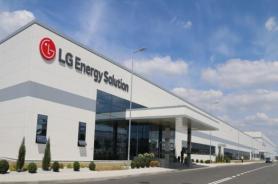
The result stood in relief against rival LG Energy Solution, which earlier the same day reported second-quarter operating profit of 113.3 billion won — down 77 percent from a year earlier, though a recovery from a first-quarter loss, as North American energy-storage demand cushioned a punishing slump in electric-vehicle sales.
For LG, government support did the heavy lifting: about 241 billion won in IRA tax credits masked what would otherwise have been a 127.7 billion won operating loss, underscoring how heavily Korea's battery makers still lean on Washington's subsidies.
Samsung SDI said it expects earnings to keep improving in the second half, pledging to ramp up prismatic LFP battery output in the United States and expand capacity for power-storage and uninterruptible-supply products as the data-center build-out accelerates.
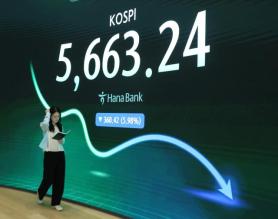
Shares of Samsung SDI traded at 354,000 won per stock at 2:11 p.m., down by 2.75 percent from the previous session.

Copyright ⓒ Aju Press All rights reserved.