Household loans increased by 3.4 trillion won (US$2.5 billion) in August, easing from a 5.5 trillion won rise in July, according to data released by the Bank of Korea (BOK) on Wednesday. Corporate loans expanded by 9.7 trillion won, up from 7.7 trillion won a month earlier.
The slowdown in household borrowing masked a different trend in housing-related lending.
Mortgage loans increased by 4 trillion won, up from 3.5 trillion won in July, as housing transactions in the Seoul metropolitan area and increased housing supply supported demand.
Loans for jeonse, South Korea's lump-sum deposit lease, continued to fall, declining by 700 billion won after an 800 billion won drop in July.
Other household loans including unsecured credit and overdraft loans fell by 600 billion won after rising by 2.0 trillion won a month earlier.
The BOK attributed the decline to weaker individual stock investment and tighter management of credit loans by banks.
The figures showed that overall household loan growth was easing, even as mortgage demand remained high.
Household loans through banks increased by 24.5 trillion won during the first eight months of this year, below the 27.3 trillion won increase recorded over the same period last year.
Mortgage borrowing rose by 17.3 trillion won during the period, compared with 27.7 trillion won a year earlier. Other household loans increased by 7.2 trillion won after declining by 300 billion won during the first eight months of 2025.
Corporate borrowing moved in the opposite direction.
Bank loans to companies increased by 9.7 trillion won in August, exceeding both July's 7.7 trillion won increase and the 8.4 trillion won gain recorded a year earlier.
Loans to large companies rose by 4.9 trillion won, up from 3.8 trillion won, as banks stepped up lending and companies sought funds partly to repay corporate bonds.
Loans to small and midsized enterprises increased by 4.8 trillion won from 3.9 trillion won, supported in part by expanded financing programs at some banks.
The shift extended a trend seen in July, with companies relying more heavily on bank credit while the corporate bond market remained in net repayment.
Corporate bank loans increased by 66.9 trillion won during the first eight months of this year, compared with 39.7 trillion won during the same period in 2025.
Corporate bonds, meanwhile, recorded 17.2 trillion won in net repayments over the period, reversing from net issuance of 3.9 trillion won a year earlier.
Bonds remained in net repayment by 900 billion won in August after 1.9 trillion won in July, as higher interest rates raised issuance costs and the market entered a seasonal lull.
Commercial paper and short-term notes recorded net issuance of 4.1 trillion won, little changed from 4 trillion won in July, supported by working-capital demand from some public enterprises.
Higher market rates continued to add pressure to corporate funding conditions.
The three-year government bond yield rose to 3.84 percent at the end of August from 3.76 percent at the end of July, while the 10-year yield climbed to 4.31 percent from 4.26 percent.
The BOK attributed the increase to higher oil prices following renewed tensions in the Middle East, changing monetary policy expectations at home and abroad and higher long-term government bond yields in major economies.
Short-term market rates also rose sharply following the BOK's August policy rate increase.
The yield on three-month bank bonds rose to 3.21 percent from 2.99 percent, while the 91-day certificate of deposit rate increased to 3.12 percent from 2.95 percent.
Financial flows also reversed some of July's sharp movements.
Asset managers received 23.5 trillion won in August after recording a 42.8 trillion won decline in July, led by a 15.5 trillion won increase in equity funds.
Bond funds, by contrast, declined by 300 billion won after increasing by 700 billion won in July as market interest rates rose.
Bank deposits edged up by 100 billion won after falling by 30.0 trillion won in July. Time deposits increased by 20.3 trillion won as household funds returned and local governments temporarily deposited cash.
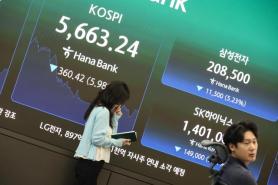
The KOSPI ended August at 6,820, up from 6,595 at the end of July, while the KOSDAQ climbed to 834 from 720.
The BOK said investor sentiment improved further in early September amid strength in U.S. technology shares, pushing the KOSPI close to 7,000.
AJP Takeaways
- South Korea's bank household loans increased by 3.4 trillion won in August, slowing from July even as mortgage lending accelerated to 4.0 trillion won.
- South Korea's corporate bank loans increased by 9.7 trillion won, with companies continuing to rely on banks and corporate bonds remaining in net repayment.
- South Korea's market rates rose further in August, and asset-manager inflows rebounded amid an equity-market recovery from July's decline.

Copyright ⓒ Aju Press All rights reserved.