SEOUL, September 16 (AJP) - Hyundai Motor will supply 480 hydrogen buses by 2032 for public transportation in cooperation with South Korea's largest bus operator Seonjin Group and other partners, the automaker said on Wednesday.
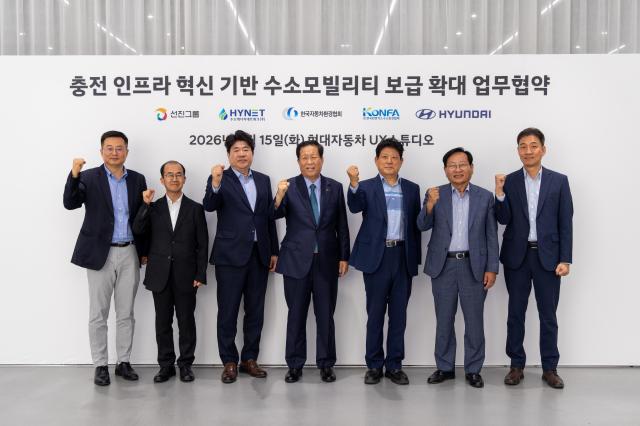
Hyundai said it signed a multilateral memorandum of understanding (MOU) with Seonjin and other relevant institutions including the Korea Automobile Environmental Association and the Korea Natural Gas Hydrogen Charging Association to expand the use of hydrogen buses by increasing fueling facilities and related infrastructure.
Under the plan, hydrogen-powered buses will be gradually introduced on the bus operator's major routes in Seoul and other metropolitan areas, while hydrogen refueling infrastructure will be expanded by converting existing compressed natural gas (CNG) stations at bus depots in Gyeonggi Province.
Seonjin currently operates about 1,700 buses through 17 transportation companies in Seoul and other metropolitan areas, as well as in Jeolla provinces in the southwestern part of the country.
Hyundai will also provide maintenance training for hydrogen-powered vehicles to help ensure their stable operation.
Hyundai's latest move reflects its strategy of developing hydrogen and driving broader demand for it as a complement to electric cars, particularly for buses and logistics vehicles that travel long distances and carry heavy loads. The automaker aims to expand fuel-cell mobility while linking renewable energy with hydrogen.
AJP Takeaways
- Hyundai Motor will supply 480 hydrogen buses by 2032 for public transportation in cooperation with South Korean bus operator Seonjin Group and other partners.
- Hydrogen buses will be introduced on major routes in Seoul and other metropolitan areas, with existing compressed natural gas (CNG) stations at bus depots in Gyeonggi Province to be converted into hydrogen refueling facilities.
- The project supports Hyundai's broader hydrogen mobility strategy, with the automaker seeking to expand fuel-cell vehicles for long-distance, heavy-load transportation while connecting renewable energy with hydrogen.
Hyundai said it signed a multilateral memorandum of understanding (MOU) with Seonjin and other relevant institutions including the Korea Automobile Environmental Association and the Korea Natural Gas Hydrogen Charging Association to expand the use of hydrogen buses by increasing fueling facilities and related infrastructure.
Under the plan, hydrogen-powered buses will be gradually introduced on the bus operator's major routes in Seoul and other metropolitan areas, while hydrogen refueling infrastructure will be expanded by converting existing compressed natural gas (CNG) stations at bus depots in Gyeonggi Province.
Seonjin currently operates about 1,700 buses through 17 transportation companies in Seoul and other metropolitan areas, as well as in Jeolla provinces in the southwestern part of the country.
Hyundai will also provide maintenance training for hydrogen-powered vehicles to help ensure their stable operation.
Hyundai's latest move reflects its strategy of developing hydrogen and driving broader demand for it as a complement to electric cars, particularly for buses and logistics vehicles that travel long distances and carry heavy loads. The automaker aims to expand fuel-cell mobility while linking renewable energy with hydrogen.
AJP Takeaways
- Hyundai Motor will supply 480 hydrogen buses by 2032 for public transportation in cooperation with South Korean bus operator Seonjin Group and other partners.
- Hydrogen buses will be introduced on major routes in Seoul and other metropolitan areas, with existing compressed natural gas (CNG) stations at bus depots in Gyeonggi Province to be converted into hydrogen refueling facilities.
- The project supports Hyundai's broader hydrogen mobility strategy, with the automaker seeking to expand fuel-cell vehicles for long-distance, heavy-load transportation while connecting renewable energy with hydrogen.
Copyright ⓒ Aju Press All rights reserved.