

Journalist
Han Jun-gu한준구
jungu141298@ajupress.com
PhotographerGeopolitics, Culture, History, People & Photo Journalist
Photojournalist, AJU PRESS (AJP)
Covering Asia's defining stories — from pressing issues and politics to culture and society — through a distinctly Asian lens. "I point the camera at what's there. That's the job."
Covering Asia's defining stories — from pressing issues and politics to culture and society — through a distinctly Asian lens. "I point the camera at what's there. That's the job."
Latest by Han Jun-gu
-
 ILLIT returns with fifth mini album ILLIT performs at a media showcase for the group’s fifth mini album ‘BREAK EVEN’ held at Woori WON Banking Hall at Blue Square in Hannam-dong, Yongsan-gu, Seoul, October 26, 2026. 2026-10-26 17:40:12
 -
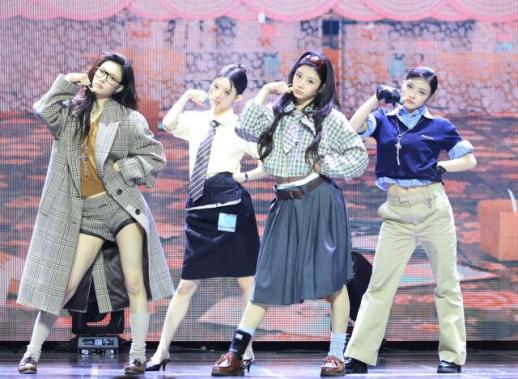 ILLIT returns with fifth mini album 2026-10-26 17:39:13
 -
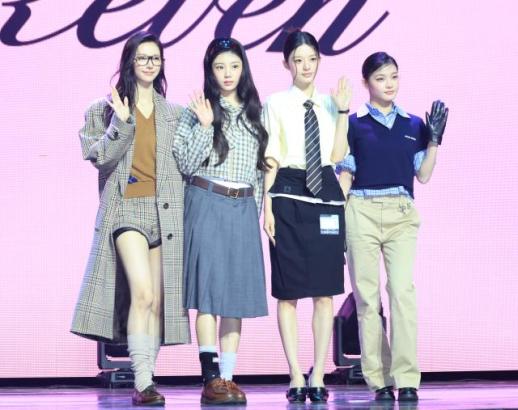 ILLIT returns with fifth mini album ILLIT poses at a media showcase for the group’s fifth mini album ‘BREAK EVEN’ held at Woori WON Banking Hall at Blue Square in Hannam-dong, Yongsan-gu, Seoul, October 26, 2026. 2026-10-26 17:38:31
 -
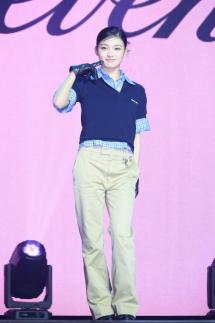 ILLIT returns with fifth mini album ILLIT’s Iroha poses at a media showcase for the group’s fifth mini album ‘BREAK EVEN’ held at Woori WON Banking Hall at Blue Square in Hannam-dong, Yongsan-gu, Seoul, October 26, 2026. 2026-10-26 17:37:36
 -
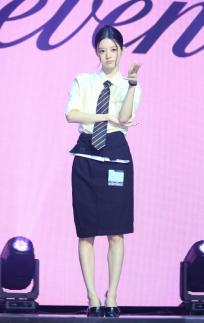 ILLIT returns with fifth mini album ILLIT’s Minju poses at a media showcase for the group’s fifth mini album ‘BREAK EVEN’ held at Woori WON Banking Hall at Blue Square in Hannam-dong, Yongsan-gu, Seoul, October 26, 2026. 2026-10-26 17:36:39
 -
 ILLIT returns with fifth mini album ILLIT’s Wonhee poses at a media showcase for the group’s fifth mini album ‘BREAK EVEN’ held at Woori WON Banking Hall at Blue Square in Hannam-dong, Yongsan-gu, Seoul, October 26, 2026. 2026-10-26 17:35:46
 -
 ILLIT returns with fifth mini album ILLIT’s Yunah poses at a media showcase for the group’s fifth mini album ‘BREAK EVEN’ held at Woori WON Banking Hall at Blue Square in Hannam-dong, Yongsan-gu, Seoul, October 26, 2026. 2026-10-26 17:34:52
 -
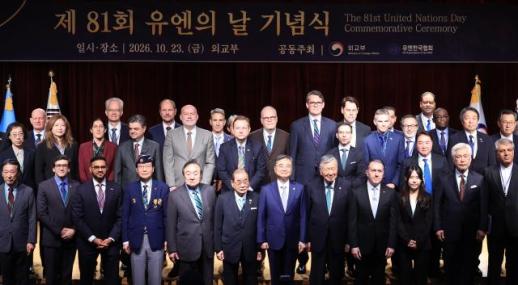 81st UN Day ceremony held in Seoul Attendees pose for a group photo at the 81st United Nations Day ceremony held at the Ministry of Foreign Affairs in Jongno-gu, Seoul, October 23, 2026. Attendees pose for a group photo at the 81st United Nations Day ceremony held at the Ministry of Foreign Affairs in Jongno-gu, Seoul, October 23, 2026. From left: Shin Sang-tae, president of the Korea Veterans Association; Lee Jong-chan, president of the Liberation Association; Chung Dae-chul, president of the Parliamentarians’ Society of the Republic of Korea; Foreign Minister Cho Hyun; Lee Joong-keun, president of the United Nations Association of Korea; Türkiye’s Ambassador to South Korea Fatih Yildiz; and Koo Na-yoon, youth representative of the United Nations Student Association of Korea. 2026-10-23 14:18:14
 -
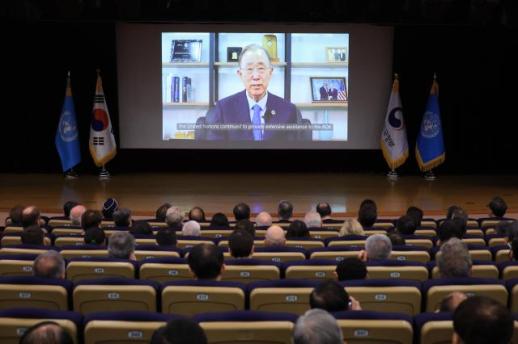 81st UN Day ceremony held in Seoul Attendees watch a video message from Ban Ki-moon, the eighth UN secretary-general, at the 81st United Nations Day ceremony held at the Ministry of Foreign Affairs in Jongno-gu, Seoul, October 23, 2026. 2026-10-23 14:15:21
 -
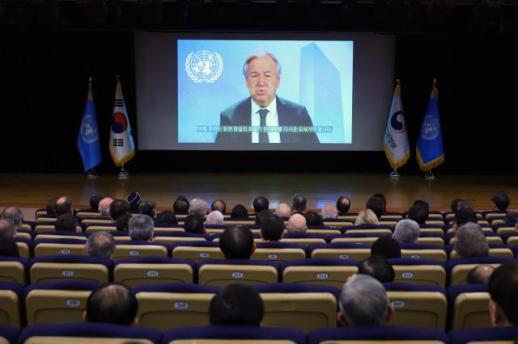 81st UN Day ceremony held in Seoul Attendees watch a video message from UN Secretary-General António Guterres at the 81st United Nations Day ceremony held at the Ministry of Foreign Affairs in Jongno-gu, Seoul, October 23, 2026. 2026-10-23 14:14:34