

Journalist
Han Jun-gu한준구
jungu141298@ajupress.com
PhotographerGeopolitics, Culture, History, People & Photo Journalist
Photojournalist, AJU PRESS (AJP)
Covering Asia's defining stories — from pressing issues and politics to culture and society — through a distinctly Asian lens. "I point the camera at what's there. That's the job."
Covering Asia's defining stories — from pressing issues and politics to culture and society — through a distinctly Asian lens. "I point the camera at what's there. That's the job."
Latest by Han Jun-gu
-
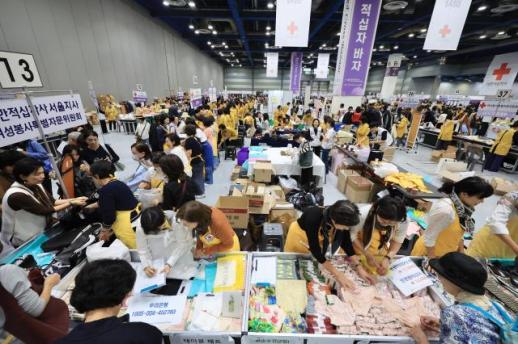 2026 Red cross bazaar held at COEX Visitors look at items for sale at the Samsung C&T booth at the ‘2026 Red Cross Bazaar’ held at COEX in Samseong-dong, Gangnam-gu, Seoul, October 19, 2026. 2026-10-19 16:39:56
 -
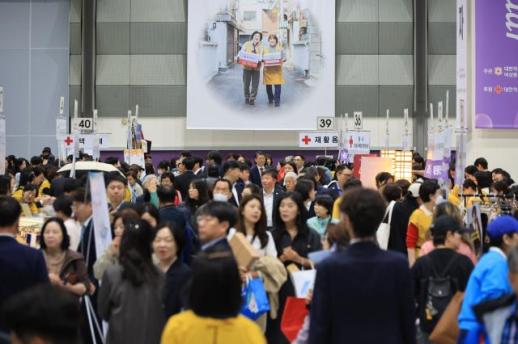 2026 Red cross bazaar held at COEX Visitors look at items for sale at the Samsung C&T booth at the ‘2026 Red Cross Bazaar’ held at COEX in Samseong-dong, Gangnam-gu, Seoul, October 19, 2026. AJP Han Jun-gu 2026-10-19 16:38:57
 -
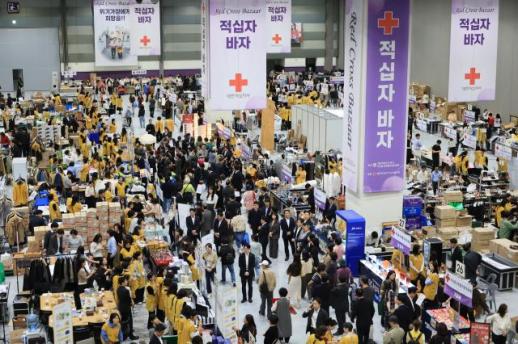 2026 Red cross bazaar held at COEX Visitors look at items for sale at the Samsung C&T booth at the ‘2026 Red Cross Bazaar’ held at COEX in Samseong-dong, Gangnam-gu, Seoul, October 19, 2026. 2026-10-19 16:37:27
 -
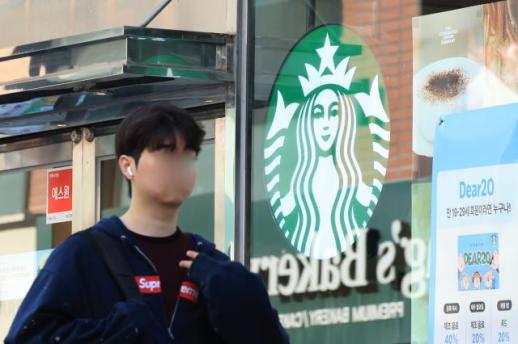 Starbucks reclaims top coffee brand spot after five months Starbucks has reclaimed the top spot among coffee brands after five months. A Starbucks store is seen in downtown Anyang, Gyeonggi Province. Starbucks retook the No. 1 position with 121 billion won in payments in September, ahead of A Twosome Place, which held the top spot for four months from May, by 10.6 billion won. October 12, 2026. 2026-10-12 12:40:07
 -
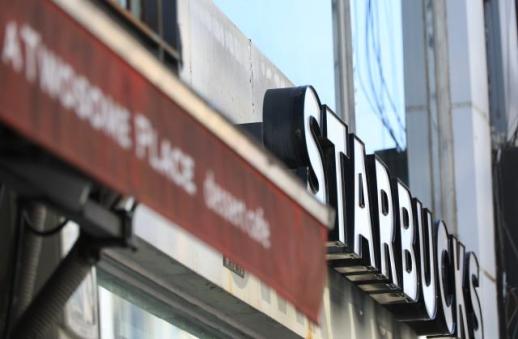 Starbucks reclaims top coffee brand spot after five months Starbucks has reclaimed the top spot among coffee brands after five months. A Starbucks store is seen in downtown Anyang, Gyeonggi Province. Starbucks retook the No. 1 position with 121 billion won in payments in September, ahead of A Twosome Place, which held the top spot for four months from May, by 10.6 billion won. October 12, 2026. 2026-10-12 12:39:02
 -
 Nuri rocket's fifth launch success A trail left by South Korea's homegrown space rocket Nuri is seen in the sky near the Naro Space Center in Goheung, South Jeolla Province, on Oct. 7, 2026, following its fifth launch. Nuri successfully deployed all 15 satellites — five microsatellites and 10 CubeSats — completing the deployment process about 17 minutes after liftoff with the release of the final two CubeSats. 2026-10-07 18:17:08
 -
 Nuri rocket completes fifth launch, deploys 15 satellites from Naro Space Center South Korea's homegrown space rocket Nuri lifts off from the Naro Space Center in Goheung, South Jeolla Province, on Oct. 7, 2026, during its fifth launch. Nuri successfully deployed all 15 satellites — five microsatellites and 10 CubeSats — completing the deployment process about 17 minutes after liftoff with the release of the final two CubeSats. 2026-10-07 18:13:47
 -
 Tom Cruise attends red carpet ahead of 'Digger' release Actor Tom Cruise greets fans at a red carpet event for the film 'Digger' held at Times Square Atrium in Yeongdeungpo, Seoul, October 2, 2026. 2026-10-02 18:52:03
 -
 Tom Cruise attends red carpet ahead of 'Digger' release Actor Tom Cruise greets fans at a red carpet event for the film 'Digger' held at Times Square Atrium in Yeongdeungpo, Seoul, October 2, 2026. 2026-10-02 18:51:18
 -
 Tom Cruise attends red carpet ahead of 'Digger' release Actor Tom Cruise greets fans at a red carpet event for the film 'Digger' held at Times Square Atrium in Yeongdeungpo, Seoul, October 2, 2026. 2026-10-02 18:50:36