
Journalist

Lee Hugh
=
-
 South Korea to Use AI to Improve Harmful Algae Bloom Forecasts To better respond to recurring summer algae blooms, the South Korean government is introducing an artificial intelligence-based forecasting system. The National Institute of Environmental Research, under the Ministry of Climate, Energy and Environment, said it will begin operating a new algae-bloom forecasting service starting on the 4th. The service combines AI with existing methods to improve forecast accuracy. Until now, major drinking-water sources such as the Mulgeum-Maeri area of the Nakdong River and Daecheong Lake on the Geum River have received algae forecasts based on 3D numerical models, but those models have had limits in reflecting rapidly changing conditions. The institute said climate change has brought rising water temperatures and shifting rainfall patterns, increasing variability in when blooms occur and how severe they become. That has made early forecasting and preemptive response more important, it said. Beginning this year, the institute added AI-based forecasting to its numerical models to improve precision and deliver information more quickly. Monitoring will also expand through the algae alert system. Four additional drinking-water sites — Uiam Lake in the Han River system, Yeongcheon Lake in the Nakdong River system, Yongdam Lake in the Geum River system, and Okjeong Lake in the Yeongsan-Seomjin River system — will be added, bringing the total to 13. The institute plans to expand the number of alert sites to 28 by 2030. Forecast results will be posted regularly on the Mulmoa Platform twice a week from May through October and shared with relevant agencies for use in advance response planning. The institute said it will continue refining the AI model and aims to apply it by 2030 to all nationwide drinking-water sites covered by the algae alert system. Kim Kyung-hyun, head of the institute’s Water Environment Research Department, said combining advanced AI with numerical models will be a key tool to strengthen response to algae blooms. He said the institute will bolster scientific forecasting capabilities to help ensure a clean water environment the public can use with confidence.* This article has been translated by AI. 2026-05-04 06:05:02
 -
 CRAVITY Returns With 'ReDeFINE,' Aiming to 'Redefine' the Group 그룹 크래비티(CRAVITY)는 데뷔 6주년을 앞두고 미니 8집 '리디파인(ReDeFINE)'을 내놓으며 팀의 방향을 다시 세웠다. 두려움과 갈망을 지나 흔들리더라도 앞으로 나아가겠다는 메시지를 전면에 내세웠다. "'리디파인'은 크래비티를 재정의하겠다는 의미기도 합니다. 그동안 사회에 대한 두려움이나 무언가를 향한 갈망과 쟁취를 노래 했다면 '데어 투 크레이브'를 통해 새로 태어나기도 했으니 '리디파인'으로 재정의를 해보면 좋겠다고 생각했어요. 그 사이에서 오는 두려움이 있지만 그 또한 '나'라는 걸 인정하며 흔들리더라도 나아가겠다는 의지를 담았습니다."(형준) 앨범의 핵심 키워드는 그리스 신화의 우로보로스다. 자신의 꼬리를 무는 뱀의 형상으로, 끝과 시작이 맞물린 순환과 재생을 상징한다. "우로보로스가 꼬리를 물며 계속 반복되잖아요. 이 모습을 '끝'이 아닌 '새시작'이라고 표현하고 싶었습니다. 남이 보았을 때는 반복하는 것처럼 보이지만, '완벽한 원'을 그리며 무한하게 성장하고 있다는 뜻이에요. 굳은 의지와 나아가겠다는 의미를 담은 앨범이라고 생각이 되었오 우리의 상황과도 맞물리면서 쉽게 공감할 수 있었어요."(형준) 멤버들은 불안과 두려움까지도 인정하고, 그것을 앞으로 나아가는 힘으로 삼겠다고 말했다. "그동안 활동하며 만족이나 행복도 느껴왔지만 그 사이 불안과 아쉬움의 순간도 있었던 게 사실이에요. 우리가 느끼는 어두운 면들이요. 그런 어두움을 직접적으로 드러내는 게 쉽지는 않았으니까요. 이번 앨범을 준비하며 '재정의'라는 키워드를 통해 완벽하지 않은 나여도 사랑할 수 있겠다는 생각을 했어요. 아쉬움이 생겼을 때 그 감정에 깊이 빠지기보다 아쉬워하는 나 자체도 받아들인다면 좋은 방향으로 나아갈 수 있지 않을까 싶었습니다. 그런 마음으로 몰입해서 작업했습니다."(원진) 올해 데뷔 6주년을 맞은 크래비티는 타이틀곡 '어웨이크(AWAKE)'를 포함해 '헬로-굿바이(Hello-Goodbye)' '피버(FEVER)' '어도어(Adore)' '럽 미 라이크 유 두(Love Me Like You Do)' '봄날의 우리(Spring, with You)'까지 총 6개 트랙을 앨범에 담았다. 멤버들은 작사와 작곡에도 참여했다. "'어웨이크'는 우로보로스를 키워드로 작사하려고 했어요. '끝을 삼킨다'는 가사를 통해 끝을 생각해 본 적 없다, 끝은 곧 시작이다 라는 생각을 가지고 가사를 써내려갔습니다."(세림) "제가 작사·작곡한 '럽 미 라이크 유 두'가 앨범에 담겼어요. 예전부터 크래비티의 곡을 쓰고 싶다고 말해왔는데 1년 만에 팬들에게 보여줄 수 있게 되어서 기뻤습니다. 멤버들의 목소리로 '럽 미 라이크 유 두'를 들을 수 있게 되어서 의미 있는 순간이었던 거 같아요."(태영) 원진과 앨런은 팬송 '봄날의 우리'의 가사를 직접 썼다고 밝혔다. 팬들을 향한 마음을 담는 과정에서 두 사람이 도움 없이 완성할 수 있었다고 설명했다. "우리가 봄에 컴백한다는 이야기를 듣고 '나에게 봄이라는 계절은 뭘까?' 생각해봤어요. 봄은 겨울을 보내고 새로운 시작을 맞이하는 순간이잖아요. 앨범으로 '새로운 시작'을 전해드리고 싶기도 해서요. 저희에게 겨울은 팬분들과 자주 만나지 못하는 비활동기 같은 시간과도 닮아 있는 것 같아요. 떨어져 있는 시간이 길어질수록 더 차갑고 춥게 느껴지기도 하니까요. 그런데 그런 시간이 끝이 아니라 새로운 시작이 될 수 있다는 걸 알려준 존재가 바로 러비티(팬덤명)였어요. 그래서 혹시 누군가 지금 겨울 같은 시간을 보내고 있다면 그 끝에는 늘 봄이 있다는 걸 전하고 싶었고요. 제가 사랑했던 그 모습 그대로 따뜻하게 웃고 있었으면 하는 마음으로 작업했습니다."(원진) "원진이와 함께 작사할 때도 느꼈지만 어려운 지점이 분명 있었어요. 저도 그렇고 원진이도 그렇고 가사를 쓰기 전에 정한 큰 테마에서 자주 벗어나는 편이거든요. 조금 더 깊게 가려고 하고 의미를 더 부여하려다 보면 점점 주제에서 멀어질 때가 있어요. 그런데 결국은 러비티를 위한 노래니까 너무 딥하게만 가지 말자고 생각했어요. 그래서 봄이라는 계절에서 바로 떠올릴 수 있는 이미지들, 조금 더 직접적이고 따뜻한 위로가 될 수 있는 가사들을 많이 담으려고 했습니다."(앨런) 퍼포먼스에 대해서도 강조했다. 한동안 밝은 이미지의 무대를 보여줬다면, 이번에는 데뷔 초의 강한 퍼포먼스를 다시 선명하게 꺼내 들고 싶었다고 했다. 이른바 '퍼포비티'로 불리던 팀의 강점을 되살리겠다는 취지다. "데뷔 초에는 신인다운 마음으로 퍼포먼스에 정말 많이 집중했고, 그래서 '퍼포비티'라고 불러주시기도 했잖아요. 이후에는 청량한 노래와 비주얼이 돋보이는 무대들을 보여드렸다면, 이번에는 재정의와 리브랜딩을 거치면서 다시 그 '퍼포비티'의 색을 살리고 싶다는 마음이 컸어요. 그래서 퍼포먼스에도 더 많이 신경 썼고요. 후렴구에는 중독적인 포인트 안무도 들어가 있습니다. 또 단순한 손동작 하나로 끝나는 게 아니라 안무 선생님이 의견을 주시면 저도 제 생각을 내고, 주신 선택지 안에서 같이 조율하는 식으로 많이 참여했어요. 벌스 부분은 다인원 팀의 장점을 살릴 수 있도록 구성이 들어갔는데, 장면 하나하나가 예쁜 그림처럼 보일 수 있겠다는 생각을 했고요. 그런 과정에서 '이 부분은 팔 동작을 이렇게 수정하면 어떨까' 같은 의견도 내면서 디테일을 함께 만들어갔습니다."(원진) 공개된 뮤직비디오도 팬들의 반응을 얻고 있다고 멤버들은 전했다. 크래비티는 사제가 되기 위한 신학생 역할을 통해 흔들리는 청춘과 성장의 메시지를 담았고, 멤버들이 직접 연기에 참여했다고 했다. "사제가 되기 위한 신학생 역할을 연기했어요. 사제를 완전한 존재로 보았고 신학생은 준비 단계 즉 불완전한 존재로 정의하고 촬영했습니다. '완전하지 않지만 나아간다'는 메시지를 담아보려고 했습니다."(성민) "(뮤직비디오에) 앨범에 담긴 의미가 컨셉추얼하게 딥하게 담겨있었거든요. 앨범에 담긴 뜻깊은 의미가 은유적, 비유적으로 뮤직비디오에 담겨있고 그런 의미를 풀어나가는 과정도 팬들과 소통할 수 있는 앨범 아닐까 생각합니다."(민희) 형준은 과거 인터뷰에서 크래비티를 둘러싼 '낯선 이미지'를 깨고 싶다고 말한 바 있다. 데뷔 6년차에도 여전히 신인처럼 보일 수 있다는 우려였다. 그는 이번에는 다른 기대가 생겼다고 말했다. "그때는 연차가 어느 정도 쌓였는데도 많은 분들이 저희를 여전히 신인처럼 봐주시는 느낌이 있어서, 그런 이미지를 조금은 깨고 싶다는 생각을 했었어요. 그런데 지금은 다크한 콘셉트로 다시 돌아오기도 했고 이 연차에 보여줄 수 있는 멋진 모습이 분명히 있겠다는 기대가 생겼어요."(형준) 데뷔 6년을 지나며 팀은 '선배'라는 호칭도 자연스럽게 받아들이는 시점에 들어섰다고 했다. 7년 차를 앞두고 멤버들은 현장에서 체감한 변화도 전했다. "7년 차가 됐다는 걸 실감한 순간도 있었어요. 최근 ‘아육대’를 했는데, 저희가 출연한 팀들 중 선배 순서로 두세 번째 정도 되더라고요. 그걸 보면서 ‘우리도 이제 연차가 꽤 쌓였구나’ 다시 느꼈어요. 게다가 회사에 후배 아티스트 키키도 생겼잖아요. 그래서 더 자랑스러운 선배가 되고 싶다는 마음으로 열심히 하고 있습니다."(형준) "솔직히 아직까지도 저희가 '선배'라는 게 낯설어요. 동생들이 찾아와서 '선배님'이라고 부르면 '내가 선배…?' 싶기도 하고요. 하하. 아직 어색함이 있는 거 같아요."(정모) "저희가 코로나 팬데믹 시기에 데뷔해서 그런지 우리조차 '벌써 7년차인가?'하고 놀랄 때가 있는 것 같아요. 그만큼 신인의 자체로 초심을 잃지 않고 열심히 준비 할 수 있는 것 같습니다."(원진) 멤버들은 오랜 시간 함께해 온 관계가 팀의 원동력이라고 말했다. 가까운 사이일수록 서로를 객관적으로 바라보고 붙잡아주는 태도가 중요하다고도 했다. "멤버들은 저한테 동료이기도 하지만, 가장 가깝고 자주 보는 가족 같은 존재라고 생각해요. 그렇게 늘 붙어 있으면서도 좋은 관계를 유지하고 일을 하면서 서로 피드백을 주고받으려는 게 중요하다고 느껴요. 가끔은 객관성을 잃게 되는 시기도 있잖아요. 그럴 때 서로를 생각하면서도 결국은 서로를 위한 초심을 잃지 않게 해주는 동료 관계라고 생각합니다." 이번 활동을 앞두고 멤버들은 목표도 밝혔다. "팀에 대한 기준치도 높고 저 자신에 대한 기준치도 높아서 아직은 만족을 못하는 시기인 것 같아요. 그래서 이번에는 빌보드에 올라가고 싶습니다."(태용)* This article has been translated by AI. 2026-05-04 06:03:18
 -
 Trump Rejects Iran’s New 14-Point Counterproposal for War-End Talks U.S. President Donald Trump said Saturday that Iran’s 14-point counterproposal for war-end negotiations was unacceptable, Israel’s public broadcaster Kan reported. In an interview cited by Yonhap News Agency, Trump repeated his rejection of the proposal, saying, “This is not acceptable. I reviewed everything, but it’s not acceptable.” The remarks came after the United States first presented a nine-point plan and Iran responded with a revised 14-point proposal. Earlier Saturday, Iranian Foreign Ministry spokesman Esmail Baghaei said Iran was reviewing the U.S. views delivered through Pakistan and that Iran’s response would be announced after the review. Baghaei said Iran’s 14-point proposal focused on ending the war and stressed that it did not include nuclear issues. Kan also reported that Trump again urged a pardon for Israeli Prime Minister Benjamin Netanyahu, who is on trial on charges including corruption. Trump, referring to Israeli President Isaac Herzog, said, “Tell your president to pardon Bibi,” using Netanyahu’s nickname. “If it weren’t for me and Bibi, Israel wouldn’t exist,” Trump added, saying Israel needs a prime minister who can focus on the war rather than “useless matters.” 2026-05-04 06:00:15
 -
 Korean Soban Tables Reimagined in 17 Works at Milan Design Week Exhibit “I couldn’t believe how much history and meaning could be held in one small table. I was instantly drawn in." Italian designer and artist Marco Oggian said he was captivated by the Korean traditional object known as a “soban,” a small, portable dining table. Seeing it for the first time, he said, he thought of it as “a very human object.” “It’s simple, intimate and deeply connected to everyday life,” he said. “At the same time, it carries a strong cultural identity.” Korea’s traditional soban is being presented in 17 new forms at Milan Design Week, one of the world’s largest design events. The Seoul Design Foundation is staging the exhibition “SEOUL LIFE 2026 MILAN: Heritage Reimagined, Soban” at the ADI Design Museum in Italy. The show aims to introduce the beauty and identity of K-design through the soban. Seventeen designers and teams from Korea and abroad have reinterpreted the soban in their own visual languages, combining traditional Korean craft techniques with contemporary tools such as 3D printing and artificial intelligence-based design. Visitors can view the works’ varied shapes and colors in one place. Oggian’s work, “PRIVATE UNIVERSE,” expands the soban into a motif of a face, the universe and the world. “The face represents identity, the universe scale and mystery, and the world the space we share,” he said. “By expressing the face geometrically, I wanted to talk about individuality. At the same time, I wanted to show how a small everyday object can connect us to something universal.” Some visitors said they saw a contemporary sensibility in the pieces. A botanical designer from London, in her 40s, said the modern treatment of the soban and its harmony with hanji, traditional Korean paper, stood out. An Italian industrial designer, also in her 40s, said the soban goes beyond a simple small table, naturally combining balance, function and portability into a refined design object. Technology amplifies tradition’s identity: “Emotional and of the present” Oggian, unfamiliar with Korea’s solo dining-table culture, said he tried to understand the spirit behind the object rather than copy tradition as-is. “The biggest challenge was finding a form that respects the original function and symbolism, while expressing it in my own visual language,” he said. He said he wanted viewers to recognize the work as a soban while accepting it as a contemporary object. “I hoped it would feel rooted in tradition, but also open, bold and alive,” he said, adding that it was important to expand into new design territory without losing the soban’s cultural essence. “What was most interesting was confirming that technology doesn’t replace an object’s identity — it can amplify it,” he said. Known for strong visual elements such as geometric forms, Oggian said he newly discovered the value of restraint and discipline in Korean aesthetics. Through that process, he said he learned that “tradition isn’t fixed or far away — it can be playful, emotional and of the present.” He described Korean aesthetics as “precise and meaningful, without unnecessary decoration,” calling it a source of inspiration. He added that working with lacquer and mother-of-pearl inlay showed him traditional materials can be realized in a contemporary way when handled with care and imagination. Discovering lacquer and mother-of-pearl inlay: outstanding craftsmanship Italian designer Anna Gili, known for collaborations with Cassina and Alessi, presented a soban titled “MIAWO” that evokes a cat. She interpreted the soban as “a kind companion that shares everyday life.” Linking the familiar traditional table to a pet cat, she said, brought a sense of vitality to the object and condensed warmth associated with family and friendship into a small table. “In ancient Egypt, cats were mysterious animals and protectors of the home — specifically Egyptian temples,” she said. “In Western culture, which has origins in Southwest Asia, cats also became companion animals and guardians of the home. Cats have a protective instinct toward people.” Gili said she was deeply impressed by the beauty of Korean lacquer and mother-of-pearl inlay. “The finished result felt like magic,” she said. “The quality of the materials, and the craftsmanship, are outstanding. It’s breathtaking. It made me want to explore the techniques and materials more deeply.” Gili said she plans to present more works using lacquer and mother-of-pearl inlay, and to expand her experience and knowledge by trying different materials and combinations. Referring to mother-of-pearl techniques in the Brianza area near Milan, she said she hopes the meeting of Korean and Italian cultures will continue. Citing what she called “Korean artisan crafts with 2,000 years of history,” she said she hopes the two countries can explore new possibilities by combining cultures, techniques and material production methods through design. She added that collaborating with highly skilled artisans who work with traditional techniques is always a special experience that adds a distinctive sensibility to a piece. She also argued that projects combining tradition and technology, like this exhibition, should expand to help preserve humanism. “We have to maintain humanism in architecture and design,” she said. “Today, as much research is done online and in virtual environments, people often choose interests based on algorithmic data aimed at financial efficiency or maximizing sales. Before the internet, information was limited, but choices were made based on deep experience accumulated in real life. It was a different kind of experience than scanning Excel spreadsheets or online materials.” She said technology’s value is ultimately realized when it meets human touch and care. “Traditional objects can be renewed by combining with constantly evolving technology and diverse ways of thinking,” she said. “By doing so, tradition will continue to grow and develop for thousands of years.” The exhibition is hosted and organized by the Seoul Metropolitan Government and the Seoul Design Foundation, with cooperation from the ADI Design Museum. It runs through May 10 at the ADI Design Museum in Italy. * This article has been translated by AI. 2026-05-04 00:06:00
 -
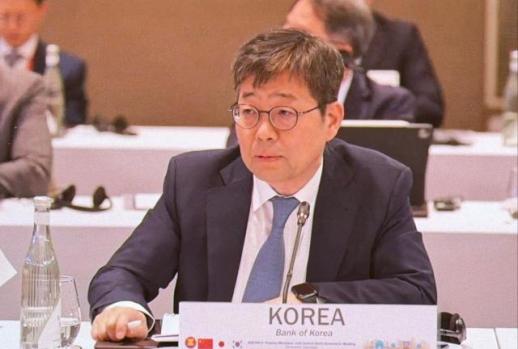 Bank of Korea’s Yoo says Middle East tensions raise need for regional safety net, backs CMIM funding shift Bank of Korea Deputy Gov. Yoo Sang-dae met with Asian counterparts to strengthen the region’s financial safety net and build a next-generation framework for financial cooperation, including a plan to overhaul the safety net’s funding structure and broaden cooperation to stock and derivatives markets. Yoo attended the 29th ASEAN+3 finance ministers and central bank governors meeting on May 3 (local time) in Samarkand, Uzbekistan, where participants discussed those steps. Timor-Leste, which joined ASEAN as its 11th member in October last year, attended the meeting for the first time, expanding the scope of regional financial cooperation. Members shared the view that downside risks to the regional economy have increased amid rising tensions in the Middle East. They said a prolonged conflict could spread beyond energy to industrial raw materials, logistics and food prices, with broad and lasting effects. They agreed to continue policy responses tailored to each country’s conditions to support macroeconomic and financial stability. South Korea has also faced persistent upward pressure on prices since the outbreak of war. The consumer price index rose 2.2% in March from a year earlier, driven by a sharp jump in petroleum product prices. Producer prices rose 1.6% in March from the previous month, the biggest monthly increase in more than four years since April 2022. The meeting approved a detailed roadmap to improve the effectiveness of the Chiang Mai Initiative Multilateralization, or CMIM, the region’s financial safety net. Members agreed to push for the swift entry into force of a Rapid Financing Facility, or RFF, to respond to external shocks such as natural disasters. They also agreed to shift CMIM resources to a paid-in capital, or PIC, model to increase certainty of funding support. The Bank of Korea is co-chairing a technical working group studying the funding-structure shift and is leading the institutional design. It plans to review specific PIC models. The working group, launched in late 2024 under the leadership of the Bank of Korea and Malaysia’s central bank, has studied models to reshape CMIM into a structure similar to the International Monetary Fund. “With the Middle East situation increasing the importance of the regional safety net, the shift to PIC will strengthen the safety net’s credibility, availability and responsiveness,” Yoo said. “As co-chair of the TWG, I will responsibly push ahead with PIC governance issues and model design.” Members also agreed to significantly broaden the scope of financial cooperation. They decided to expand and reorganize the existing Asian Bond Markets Initiative, or ABMI, into the Asian Bond and Financial Markets Development Initiative, or ABFMI, to cover stock and derivatives markets as well. The 30th ASEAN+3 finance ministers and central bank governors meeting will be held next year in Nagoya, Japan. South Korea and Singapore are set to serve as co-chairs.* This article has been translated by AI. 2026-05-03 21:48:19
 -
 OPEC+ Producers Agree to Raise Oil Output by 188,000 Barrels a Day Starting in June Saudi Arabia, Russia and other major oil producers have agreed to modestly increase crude output starting in June. Yonhap reported on the 3rd, citing an OPEC announcement, that seven OPEC+ members — Saudi Arabia, Russia, Iraq, Kuwait, Kazakhstan, Algeria and Oman — agreed in a joint statement to raise production. The countries said they will implement production adjustments totaling 188,000 barrels a day from June under the “additional voluntary production adjustments” plan announced in April 2023, calling it part of a joint effort to stabilize the oil market. They said it is important to keep “full flexibility” to increase, pause or reverse the voluntary adjustments while maintaining a cautious approach to market stability. Figures attached to the statement show Saudi Arabia and Russia could each raise output by 62,000 barrels a day from June. Iraq could increase by 26,000 barrels a day, Kuwait by 16,000, Kazakhstan by 10,000, Algeria by 6,000 and Oman by 5,000. The countries said they will meet June 7 to discuss oil market conditions and compliance with production cuts, and plan to hold regular monthly meetings afterward. The statement did not mention it, but markets have viewed the move as a response to the United Arab Emirates’ recent declaration that it would leave OPEC and OPEC+. The UAE previously announced it would quit the “oil producers’ cartel” amid Middle East tensions and increased volatility in international oil prices, and signaled it could raise output. Saudi-led OPEC and OPEC+ have managed oil prices by limiting production through country-by-country quotas. The latest step is seen as a buffer that effectively allows more output to prevent further departures after the UAE.* This article has been translated by AI. 2026-05-03 20:42:18
 -
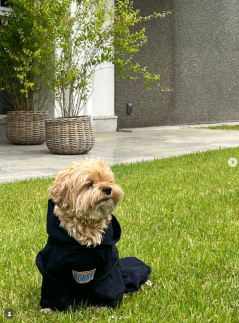 Lee Jae-myung Shares Photo of Pet Dog Wearing Gift From Indonesia’s Prabowo President Lee Jae-myung posted photos and video on social media showing his pet dog wearing clothes given by Indonesian President Prabowo Subianto, continuing a public exchange between the two leaders. In an Instagram post on the 3rd, Lee wrote, “Bobby wearing the outfit President Prabowo sent,” and shared footage of the dog walking on a lawn. In the images, Bobby wears an outfit and leash with the dog’s name on them. Prabowo previously gave clothing and a leash for Lee’s dog during his state visit to South Korea last month. Lee said in the post that the dog was “playing excitedly in new clothes and then resting,” and tagged Prabowo’s account to ask, “Is Indonesia’s Bobby doing well, too?” Prabowo’s pet cat is also named “Bobby,” the same name as Lee’s dog. The post was written in both Korean and Indonesian. During a summit with Prabowo on April 1, Lee said the state visit had produced a “historic outcome” by elevating bilateral ties to a “special comprehensive strategic partnership.”* This article has been translated by AI. 2026-05-03 20:09:15
 -
 Iran’s IRGC says Trump faces only ‘impossible’ military option or ‘bad deal’ Iran’s Islamic Revolutionary Guard Corps said President Donald Trump has sharply limited diplomatic and military options, stepping up pressure as tensions rise again. According to Yonhap News Agency, the IRGC’s Intelligence Organization said in a statement on the 3rd that Trump is left to choose between an “unworkable military operation” and an “unfavorable deal with Iran.” As grounds for its assessment, the group cited what it called a “blockade deadline” Iran presented to the U.S. Defense Department, shifts in the attitudes of China, Russia and Europe toward the United States, a private letter Trump sent to the U.S. Congress, and partial acceptance of Iran’s negotiating terms. It said U.S. room for decision-making is “gradually shrinking.” Iran has recently been reported to have proposed a 14-point revision in response to a nine-point cease-fire plan presented by the United States. The revisions reportedly include compensation for war damage, guarantees against renewed military attacks, withdrawal of U.S. forces from areas around Iran, lifting a maritime blockade, easing sanctions on Iran, ending regional conflicts including in Lebanon, and resetting the operating mechanism for the Strait of Hormuz. The United States and Iran agreed to a cease-fire on April 8, but tensions have escalated again after cease-fire talks held April 11 in Islamabad, Pakistan, fell into deadlock.* This article has been translated by AI. 2026-05-03 19:51:14
 -
 Mayon Volcano Erupts in Philippines, Forcing Thousands to Evacuate as Alert Raised Mayon Volcano, considered the Philippines’ most active volcano, has erupted, prompting the evacuation of thousands of nearby residents. Philippine authorities said the 2,463-meter (8,081-foot) volcano in Albay province on Luzon began spewing ash, smoke and lava starting on May 2 (local time), affecting 52 nearby villages, Yonhap News Agency reported on May 3. Authorities raised the volcano alert to Level 3 on a five-step scale and ordered the emergency evacuation of about 1,500 households. Evacuees were staying in temporary shelters while waiting for activity to subside. Access near the volcano was restricted under the Level 3 alert, and flights in surrounding airspace were also limited. The Philippine Institute of Volcanology and Seismology said intensifying activity sent lava flowing for several kilometers, and rockfalls and pyroclastic density currents were observed within the 6-kilometer (3.7-mile) permanent danger zone. Pyroclastic density currents are fast-moving flows of superheated ash, rocks and toxic gases. The institute said 32 volcanic earthquakes were detected over the past 24 hours and warned that additional hazards, including moderate explosions, could not be ruled out in the coming days. It urged the public not to enter the danger zone. The Philippines sits on the Pacific “Ring of Fire,” where volcanic eruptions and earthquakes are frequent. Mayon is regarded as the country’s most active volcano. A major eruption in 1814 killed about 1,200 people, and another in 1993 left 79 dead. 2026-05-03 19:45:15
 -
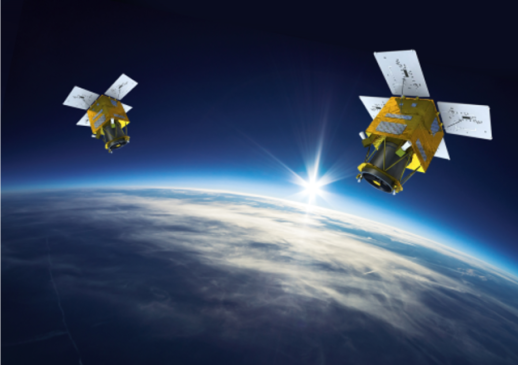 South Korea’s Next-Generation Mid-Sized Satellite 2 Reaches Orbit After Falcon 9 Launch Next-Generation Mid-Sized Satellite 2, an Earth-observation satellite designed for land monitoring and disaster response, has successfully entered orbit and begun preparations for its mission. According to Yonhap News Agency on Saturday, the satellite was launched at 4 p.m. from Vandenberg Space Force Base in California aboard a SpaceX Falcon 9 rocket and was placed into orbit as planned. The Korea AeroSpace Administration said the satellite separated normally from the launch vehicle about 60 minutes after liftoff and made its first contact about 15 minutes later with the Svalbard ground station in Norway, confirming the spacecraft’s systems were in normal condition. The satellite will observe Earth from a sun-synchronous orbit at an altitude of about 498 kilometers. SpaceX also said the satellite separation and separation of additional payloads proceeded normally. Built on a standard 534-kilogram-class platform, the satellite has ground-imaging capability with 0.5-meter resolution in black-and-white and 2-meter resolution in color. Officials said key components of the satellite bus and payload were independently developed with domestic technology, improving technological self-reliance. Korea Aerospace Industries led the development. The satellite had been scheduled for launch in 2022 on a Russian rocket, but the timeline was delayed by about four years due to the Russia-Ukraine war before Saturday’s successful launch. The Korea AeroSpace Administration called the launch a milestone symbolizing a shift toward a private-sector-led space industry and said it strengthens the foundation for independently securing high-resolution land and disaster-monitoring data. The Ministry of Land, Infrastructure and Transport said simultaneous operation of Land Satellite 1 and 2 is expected to expand capabilities for geospatial information services. Oh Tae-seok, administrator of the Korea AeroSpace Administration, said, “The successful launch of Next-Generation Mid-Sized Satellite 2 is an important milestone that opens the era of a private-sector-led NewSpace.” He added that by mounting high-resolution black-and-white and color optical cameras on a 500-kilogram-class standard platform and independently securing ultra-precise imagery needed for land and disaster management on the Korean Peninsula, the launch “greatly strengthened” the localization of satellite technology and the industry’s competitiveness. Also aboard the rocket was BusanSat, a CubeSat developed with participation from the city of Busan, the Korea Astronomy and Space Science Institute and Nara Space Technology, among others.* This article has been translated by AI. 2026-05-03 19:18:27