

Journalist

Kim SeongSeo
biblekim@ajunews.com
-
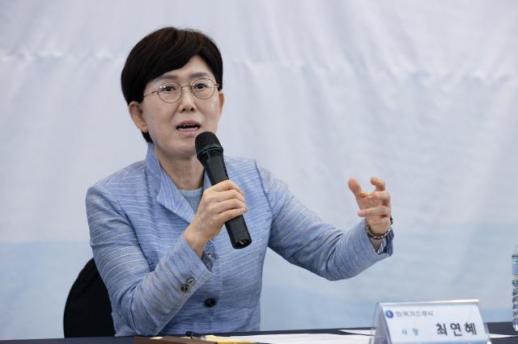 Canadian Natural Gas Arrives in Incheon via Rocky Mountains Canadian natural gas has crossed the Rocky Mountains and the Pacific Ocean to arrive in South Korea. The first shipment from the LNG Canada project, in which the Korea Gas Corporation (KOGAS) has invested, has docked at the Incheon base, a key energy supply hub for the Seoul metropolitan area. Amid rising uncertainties in energy supply due to instability in the Middle East and concerns over the closure of the Strait of Hormuz, KOGAS has secured a North American liquefied natural gas (LNG) supply chain that it can operate directly. According to KOGAS, a vessel carrying LNG produced through the LNG Canada project arrived at the Incheon base on June 3. This shipment departed from the Kitimat liquefaction terminal on Canada’s west coast on May 20 and crossed the Pacific Ocean to reach South Korea. While LNG Canada shipments previously arrived at the Tongyeong base in September of last year, this marks the first delivery to the Incheon facility, which is responsible for LNG supply in the metropolitan area. The LNG Canada project involves sourcing natural gas from the inland market in western Canada and transporting it to the west coast. The gas is moved through a dedicated 48-inch pipeline spanning 670 kilometers that crosses the Rocky Mountains. It is then liquefied at the Kitimat plant on the Pacific coast of North America before being exported to Asia. KOGAS is participating in this project alongside global energy companies such as Shell, Petronas, PetroChina, and Mitsubishi. With an investment of 2 trillion won, KOGAS has secured a 5% stake, amounting to an annual share of 700,000 tons of LNG. After overcoming various challenges, the project is now on track. KOGAS began participating in the LNG Canada project in 2010 with a joint feasibility study agreement, followed by a joint venture agreement in 2014. The final investment decision (FID) for the first phase was made in 2018, and construction commenced thereafter. Despite setbacks from the COVID-19 pandemic, global supply chain disruptions, and technical difficulties with the pipeline construction, commercial production began in June of last year. Concerns about the project's success have been voiced domestically. Choi Yeon-hye, President of KOGAS, acknowledged, "Given the long-term investment of 15 years, there has been pressure in the National Assembly questioning whether this is a failed project. It is true that there were initial doubts about the project's success." She added, "We initially planned a 20% equity investment, but due to the lengthy duration of the project, we reduced our stake to 5%. It is fortunate that we managed to maintain at least 5% through all the challenges we faced, including extreme weather, snowstorms, and supply chain disruptions due to the pandemic." The LNG Canada project is not just a long-term purchase agreement; it encompasses the entire LNG value chain, from sourcing raw materials to pipeline transportation, liquefaction, and sales. President Choi explained, "We directly own and have disposal rights over 700,000 tons of LNG. If domestic demand decreases, we can sell it overseas, and in times of crisis, we can bring it back to the domestic market." This capability can play an immediate role in energy security. Since Canadian LNG utilizes the Pacific route to enter the country, it is relatively less affected by Middle Eastern instability or canal transit risks. KOGAS estimates that transportation costs via the Canadian route could be reduced by 20% to 50% compared to routes through the Middle East, U.S. LNG via the Panama Canal, or the Cape of Good Hope. Since the start of commercial production at LNG Canada in June of last year, KOGAS has imported a total of five cargoes to date, with an additional five cargoes expected to arrive by the end of this year. President Choi stated, "We have decided to bring in the entire share of KOGAS by the end of the year, ensuring that the LNG Canada project can contribute to national energy security from the outset of its operations." KOGAS is also continuously reducing its reliance on LNG from the Middle East. President Choi noted, "The share of Middle Eastern LNG in domestic imports has decreased from 45% in 2022 to 24% in 2025, and is expected to fall below 18% after 2026. All fixed quantities from the Middle East ended last year, and currently, no LNG vessels are stranded in the Strait of Hormuz." To gradually lower its dependence on Middle Eastern LNG, KOGAS is pursuing overseas resource development. The second phase of the LNG Canada project aims to add an annual capacity of 14 million tons. By utilizing existing infrastructure such as pipelines, sites, and port facilities from the first phase, cost reductions and improved project viability are expected. Having passed the government's preliminary feasibility study in May, the FID is scheduled for September this year, with production anticipated in the second half of 2031. If the second phase proceeds as planned, KOGAS's share of LNG from LNG Canada will double from the current 700,000 tons to 1.4 million tons. With additional projects like the Prelude FLNG in Australia and developments in Mozambique, KOGAS's LNG share could grow to between 3.5 million and 4 million tons by the early 2030s. President Choi emphasized, "While 700,000 tons may seem small in numbers, in times of energy crises, the ability to secure volume is crucial, more than money. Having a volume we can freely utilize means we can play a role in safeguarding national energy security." She added, "We are reaping the fruits of overseas resource development projects that we have pursued over the past 20 years, enhancing our energy security capabilities. We will contribute to national energy security by increasing the self-development rate of natural gas resources."* This article has been translated by AI. 2026-06-05 12:03:00
 -
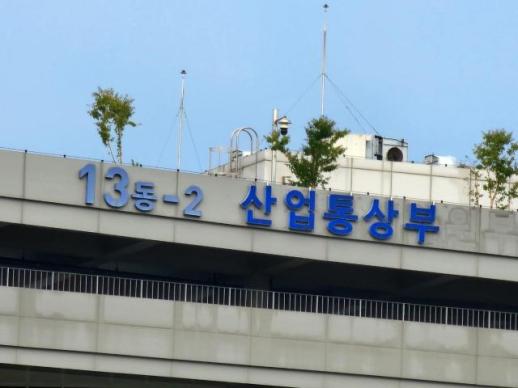 South Korea and Serbia Finalize First Free Trade Agreement in the Balkans South Korea has reached an agreement with Serbia on a Comprehensive Economic Partnership Agreement (CEPA), marking the first free trade agreement (FTA) in the Balkans. This deal is expected to enhance opportunities for South Korean companies in the Western Balkans and European markets, while expanding the foundation for cooperation in supply chains and future industries such as minerals. The Ministry of Trade, Industry and Energy announced that Yeo Han-goo, head of the Trade Negotiation Headquarters, officially declared the conclusion of the CEPA negotiations with Serbia's Minister of Internal and Foreign Trade, Jagoda Lazarević, in Belgrade on June 5 (local time). The CEPA negotiations were initiated during the 2023 Korea-Serbia summit. Following the start of negotiations in September 2024, the first official talks were held in December of the same year, culminating in the completion of discussions across 12 chapters. Serbia, emerging as a manufacturing hub in Europe, boasts an extensive network of FTAs and is gaining attention as a new partner amid rising costs in major Eastern European production centers. The agreement is expected to foster collaboration in various sectors, including automotive, information technology, renewable energy, and nuclear power. South Korean mobility companies, including domestic auto parts manufacturers, have already been actively entering the Serbian market. Additionally, there are expectations for expanded cooperation in advanced industry supply chains utilizing lithium and other materials. Serbia is home to the Zadar project, one of Europe's largest lithium deposits. As China weaponizes key minerals like rare earth elements, the need for supply chain diversification through collaboration with Serbia is becoming increasingly important. The Korea-Serbia CEPA is based on a high level of market openness. Both parties agreed to eliminate tariffs on over 90.2% of items by number and over 96% by import value. Furthermore, Serbia, which is not a member of the World Trade Organization's Information Technology Agreement (ITA), has committed to abolishing tariffs of up to 25% on semiconductor and electronic products. The agreement opens the market for eco-friendly vehicles, including electric and hybrid cars, and eliminates tariffs on all automotive parts immediately. With expectations for growth in exports of consumer goods like K-food and K-beauty to Europe, tariffs on these items will also be removed. Moreover, tariffs on Serbian lithium, cobalt, nickel, graphite, and rare earth elements will be eliminated immediately or within five years. This is anticipated to stabilize the supply chain for key raw materials in South Korea's advanced industries, such as batteries and semiconductors. Tariffs on feed and processed corn, which account for over 40% of Serbia's exports to Korea, will be eliminated immediately and over ten years, respectively. However, market access for sensitive agricultural products like rice, natural honey, strawberries, and other fruits, meat, and dairy products will be minimized to achieve a balance of mutual benefits. Additionally, agreements were reached on origin rules, expedited customs and trade facilitation, intellectual property protection, technical regulations (TBT), and sanitary and phytosanitary measures (SPS), as well as economic cooperation. The government plans to swiftly proceed with follow-up procedures for formal signing, including legal reviews and translations of the agreement, and to ensure a smooth process for economic impact assessments and parliamentary ratification. Yeo Han-goo stated, "The conclusion of the Korea-Serbia CEPA will serve as a stepping stone to elevate economic cooperation with Serbia, a key partner in the Western Balkans. In the rapidly changing trade environment marked by the spread of protectionism and the restructuring of global supply chains, this agreement is significant not only for market openness but also for building a cooperative platform in future industries such as supply chains, energy and minerals, AI, and biotechnology."* This article has been translated by AI. 2026-06-05 11:03:00
 -
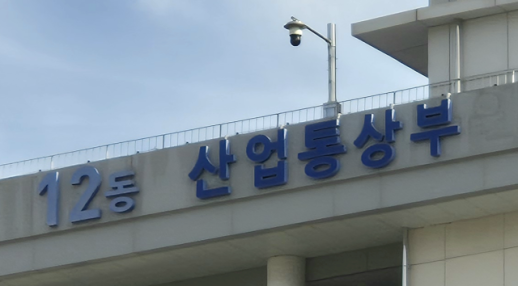 Government to Create 'Vault' for Manufacturing Data Management for M.AX The government is establishing a secure infrastructure for storing and managing manufacturing data to facilitate the transition to manufacturing artificial intelligence (M.AX). A key component of this initiative is the creation of a 'manufacturing data library' and the establishment of a 'clean room' to prevent external data leaks. On June 5, the Ministry of Trade, Industry and Energy held the '3rd M.AX Expert Conference' with industry, academia, and research experts to announce these plans. Amid the global AI competition, the government is promoting the advancement of the manufacturing sector, where South Korea has a competitive edge. High-quality manufacturing data held by companies is seen as a strategic asset essential for the country’s goal of becoming a leader in M.AX. The government believes that creating an environment and infrastructure where both manufacturing and AI companies can thrive is crucial for the success of M.AX. To this end, the Ministry is working with over 1,500 manufacturing and AI companies, as well as academic and research institutions, to build an ecosystem for securing and utilizing manufacturing data through the M.AX Alliance, which consists of 11 sectors. However, companies are understandably concerned about the potential leakage of their manufacturing data, which includes intellectual property such as core technologies and production know-how. For companies to provide data for subsequent research and development projects, a secure data storage and management infrastructure must be established first. The government plans to create a 'manufacturing data library' to systematically manage the data provided by companies. This library will house high-quality manufacturing data and will implement specific devices and procedures to prevent data leaks and ensure security. Data will only be accessible within the clean room, which is isolated from external access, and external transfers will be prohibited. Access to the data will also require a separate review process. This approach stems from the understanding that the key to AI competitiveness lies not in simple algorithms, but in high-quality training data. Recent analyses in the generative AI market indicate that differences in model performance are largely determined by the quality and scale of data, intensifying the competition for industrial data acquisition. As the establishment of the library will take time, the Ministry has been using the 'Manufacturing AI Solution Development Support Center' operated by the Korea Electronics Technology Institute since May as a temporary base to store data acquired from AI factory projects. By the end of the year, the Ministry plans to develop a prototype of a manufacturing AI foundation model using this data and will conduct field applications and performance validations with participating companies in the M.AX Alliance. Kim Sung-yeol, Director of the Ministry's Industrial Growth Office, stated, "The core of our industrial competitiveness in the AI era lies in manufacturing data and AI models tailored to specific industries. To collect and utilize high-quality manufacturing data, we must create an environment where both data-holding companies and AI firms can benefit mutually."* This article has been translated by AI. 2026-06-05 11:03:00
 -
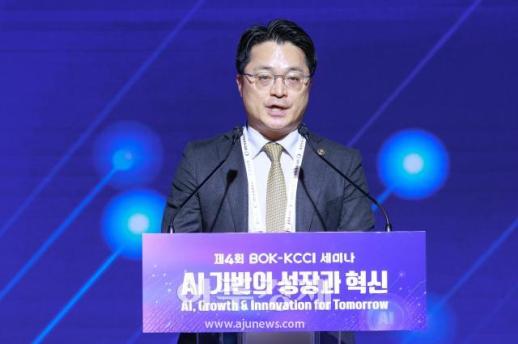 South Korea Discusses Resource Security Cooperation with Aramco Amid ongoing uncertainties from the Middle East conflict, the South Korean government has engaged in discussions with Saudi Arabia's state-owned oil company, Aramco, regarding resource security cooperation. The Ministry of Trade, Industry and Energy announced that Deputy Minister Moon Shin-hak met with Mohammed Y. Al-Qahtani, President of Aramco's Downstream sector, in Seoul on June 5. This meeting was held during Al-Qahtani's visit to South Korea, where both sides focused on long-term resource security cooperation, including stable supply of crude oil and naphtha, as well as expanding collaboration in plant construction. Since the onset of the Middle East conflict, the South Korean government has been working diligently to address supply challenges caused by the blockade of the Strait of Hormuz. It has strengthened cooperation with major oil-producing countries, including Oman and Saudi Arabia, to secure crude oil and naphtha. Ensuring a stable supply of naphtha, a key raw material for the petrochemical industry, is crucial for maintaining the competitiveness of South Korea's petrochemical sector. Deputy Minister Moon expressed gratitude for Aramco's active cooperation in securing stable supplies of key resources such as crude oil and naphtha since his visit to Saudi Arabia as a special envoy for strategic economic cooperation in April. He also requested Aramco's continued interest and proactive collaboration to ensure access to necessary energy resources for South Korea in the event of supply chain disruptions. Both parties discussed the potential for collaboration through the utilization of strategic petroleum reserves and oil storage infrastructure to enhance their resource security capabilities. They agreed to continue exploring areas of cooperation, particularly to facilitate collaboration between Aramco, which plays a key role in major energy projects, and South Korean companies with the necessary execution capabilities. The Ministry stated, "We will maintain close communication channels with Aramco to solidify cooperation on resource security, including oil supply, and actively support our companies' efforts to secure plant contracts in the Middle East."* This article has been translated by AI. 2026-06-05 11:03:00
 -
 Strong Semiconductor Exports Push South Korea's Trade Surplus with China Near $10 Billion Global semiconductor price increases have led to a seven-month rise in South Korea's exports to China, resulting in a trade surplus. This marks a significant shift from three years of trade deficits between the two nations. However, there are concerns that the current gains may be short-lived due to rising semiconductor prices, prompting the need to identify 'post-semiconductor' sectors for growth. According to the Ministry of Trade, Industry and Energy, exports to China reached $18.9 billion last month, an 80.9% increase compared to the same period last year. This marks the seventh consecutive month of growth since a turnaround in November of last year, with export volumes steadily increasing. The surge in exports is largely attributed to strong global demand for semiconductors, which has driven prices higher. In May, semiconductor exports to China skyrocketed by 243.2% year-on-year, totaling $9.88 billion. This increase is fueled by high memory prices, as South Korea capitalizes on rising demand for artificial intelligence (AI). The outlook remains positive. Market research firm TrendForce indicates that sustained AI demand is putting upward pressure on high-bandwidth memory (HBM) prices. If HBM prices rise sufficiently, South Korean semiconductor manufacturers could increase production of profitable DRAM. Analysts predict that the strong export performance of semiconductors could continue into next year. In addition to semiconductors, exports of IT products such as wireless communication devices and computers are also on the rise. Exports of agricultural and fishery products and cosmetics, driven by the Korean Wave, have increased by 19% ($150 million) and 5% ($140 million), respectively, indicating a robust performance in consumer goods exports. With strong export figures, there are expectations that South Korea's trade surplus with China, which has been in deficit for three years, could turn positive. The trade balance shifted to a surplus of $350 million in January and has since expanded, reaching $3.79 billion last month. From the beginning of the year until May 25, the trade surplus totaled $9.36 billion. According to the Korea International Trade Association's K-stat statistics service, the trade surplus with China first surpassed $10 billion in 2003, peaking at $62.8 billion in 2013. From 2010 to 2018, South Korea maintained a trade surplus with China ranging from $30 billion to $60 billion, accounting for nearly half of the country's overall trade surplus, as South Korea exported intermediate goods that China processed for export to the U.S. and Europe. However, amid escalating U.S.-China rivalry and China's strengthening manufacturing sector, South Korea recorded a trade deficit of $18.1 billion in 2023. This trend continued with deficits of $6.9 billion in 2024 and $11.2 billion last year, marking three consecutive years of deficits. The once lucrative Chinese market, which previously generated surpluses exceeding $60 billion, has become increasingly dependent on semiconductor prices. Calls for industrial policies that account for potential declines in semiconductor prices are gaining traction. The Ministry of Trade is focusing efforts on consumer goods exports, which are showing strong performance, particularly given the significant economic scale of individual Chinese provinces. A ministry official stated, "Any fluctuations in semiconductor prices could increase export volatility, so we aim to establish distribution networks across provinces to enhance export performance."* This article has been translated by AI. 2026-06-04 16:00:00
 -
 Korean Trade Minister Confirms No Increase in U.S. Tariffs Beyond Last Year's Agreement Korean Trade Minister Kim Jeong-kwan stated on June 4 that tariffs imposed on South Korea under the U.S. Trade Law Section 301 will not exceed the levels agreed upon last year. In a post on social media, Kim revealed that he held a video conference with U.S. Secretary of Commerce Gina Raimondo the previous evening. He noted that the meeting focused on reviewing the implementation of the Korea-U.S. tariff agreement and reaffirming both sides' commitment to compliance. Kim emphasized, "We will do our utmost to maintain the balance of benefits achieved through the Korea-U.S. tariff agreement in the future." Last year, South Korea and the U.S. negotiated to lower mutual tariffs to 15% and secured most-favored-nation treatment for semiconductors. Additionally, South Korea committed to a $350 billion investment in the U.S. However, the U.S. government has temporarily applied a 10% global tariff on South Korea following a Supreme Court ruling earlier this year that deemed mutual tariffs illegal. The U.S. Trade Representative (USTR) is conducting a Section 301 investigation to address this situation. Following an announcement of a 12.5% tariff related to forced labor, an investigation into overproduction remains ongoing. Concerns have arisen that the tariff rates could exceed last year's agreement of 15%. Kim's video conference with Raimondo appears to have been aimed at clarifying the U.S. stance on this issue. Earlier, Yeohang-gu, head of the Trade Negotiation Bureau, met with USTR representative Jamieson Greer to stress the importance of maintaining the balance of benefits under the existing Korea-U.S. tariff agreement. According to the Ministry of Trade, Yeohang-gu discussed current issues with Greer during the OECD Ministerial Council Meeting held in Paris on June 3. During this meeting, Yeohang-gu gained insights into the background of the Section 301 investigation results related to the import ban on products made with forced labor and the ongoing investigation into overproduction. He underscored the necessity of maintaining the balance of benefits established by the Korea-U.S. tariff agreement. The U.S. side reportedly reaffirmed its intention to comply with the Korea-U.S. tariff agreement. Both parties also reviewed the status of the commitments made in the joint statement issued by the leaders of both countries last November and agreed to maintain close communication to ensure the smooth implementation of related follow-up measures. Yeohang-gu stated, "It is essential that not only the results of the Section 301 investigation but also future trade issues are discussed within the framework of the Korea-U.S. tariff agreement," adding that they will respond calmly to the remaining Section 301 procedures.* This article has been translated by AI. 2026-06-04 14:51:00
 -
 Labor Department Conducts Search at Hanwha Aerospace Headquarters Following Explosion Labor authorities have launched a forced investigation into Hanwha Aerospace's headquarters and its Daejeon facility, where an explosion occurred during propellant cleaning operations. According to the Ministry of Employment and Labor, the Daejeon Employment and Labor Office is conducting a search warrant at the Hanwha Aerospace headquarters in Seoul and the Daejeon facility. A total of 55 personnel, including labor inspectors and police, are involved in the operation. The team aims to secure documents related to the explosion's cause, including the cleaning process procedures and blueprints, as well as safety management system materials from the company. They will also assess whether adequate safety measures were in place during the cleaning operations. In the wake of the incident, the Labor Ministry formed a dedicated investigation team of about 20 members to probe the matter. Based on the evidence collected during the search, the ministry plans to thoroughly investigate the causes of the repeated explosions. If violations of the Industrial Safety and Health Act or the Serious Accident Punishment Act are found, strict accountability will be enforced. Earlier, at 10:59 a.m. on June 1, a fire caused by an explosion occurred in the cleaning room of the munitions manufacturing facility at Hanwha Aerospace's Daejeon plant. The incident resulted in five fatalities, one serious injury, and one minor injury. This facility had previously experienced explosions in 2018 and 2019, which claimed the lives of five and three individuals, respectively. The Labor Ministry stated, "In cases where multiple casualties occur or when minimal safety regulations are not followed, we will actively utilize forced investigations, including search warrants and arrests, to respond strictly."* This article has been translated by AI. 2026-06-04 10:36:00
 -
 Labor Ministry Strengthens Monitoring to Prevent Human Rights Violations of Migrant Workers The Ministry of Employment and Labor is enhancing its preventive measures to stop human rights violations against migrant workers. The key focus is on strengthening preemptive monitoring based on anonymous surveys and initiating proactive oversight. Immediate supervision will be implemented if incidents of violence or harassment are confirmed. On June 4, the Ministry announced the launch of its "Measures to Prevent Human Rights Violations of Migrant Workers." With the expansion of the employment permit system and chronic labor shortages in various industries, the number of migrant workers in South Korea has surpassed 1.1 million. Although the COVID-19 pandemic posed challenges to the recruitment of foreign workers, the numbers have steadily increased since the transition to an endemic phase. However, reports of human rights violations, including violence, harassment, and unfair treatment, continue to emerge in the workplace. Recently, incidents involving migrant workers in the manufacturing, agriculture, and construction sectors have sparked social controversy. Language barriers, unfamiliar systems, and job and residency insecurities often hinder workers from reporting or seeking advice. In response, the Ministry is establishing a comprehensive response system to detect human rights violations early and connect confirmed cases to prompt oversight and rights protection. A preemptive monitoring system will be set up to identify previously hidden cases of human rights violations against migrant workers. An online anonymous survey will be continuously available for workers to participate in their native language, and the results will be linked to inspections and oversight. The Ministry will also create a new category for "human rights violations of migrant workers" in its anonymous reporting center on the labor portal, allowing victims to report incidents confidentially. To ensure ongoing monitoring in the field, a new system of foreign human rights leaders will be implemented. Starting in June, the Ministry will conduct specialized inspections focused on violence and harassment at over 100 locations, particularly in areas with high concentrations of migrant workers and regions identified as having a high risk of human rights violations. Cases detected through preemptive monitoring will be immediately linked to inspections and oversight. In 14 regional labor offices with high concentrations of migrant workers, dedicated teams will be established to oversee and respond to human rights violation cases. Support for rapid separation of victims and perpetrators will be enhanced through connections to nearby shelters. To fundamentally prevent human rights violations, the Ministry will also work on improving the awareness of employers and managers. Vulnerable workplaces employing foreign workers will be included in the "Voluntary Improvement of Working Conditions" program, allowing employers to self-assess their employment practices for migrant workers and receive labor management consulting. Collaborating with local governments, the Ministry will provide training on essential labor laws and human rights protection for these vulnerable workplaces. Additionally, legal and institutional improvements will be pursued to prevent human rights violations at a structural level. The Ministry aims to enhance the workplace transfer system to allow migrant workers facing unfair treatment or hazardous working conditions to change jobs more easily. Recognizing the existing gaps due to different overseeing departments for various work visas, the Ministry plans to establish an integrated support system that connects information across departments, independent of residency status. "Migrant workers are colleagues who work alongside us, and their rights must be respected and protected equally, regardless of nationality," said Vice Minister Kwon Chang-jun. He emphasized the need to lower the barriers for migrant workers to report violations and seek redress, enabling quicker detection and response to human rights violations occurring in the workplace.* This article has been translated by AI. 2026-06-04 09:03:00
 -
 U.S. and South Korea Discuss Trade Issues Amid Ongoing Section 301 Investigation As the U.S. wraps up its Section 301 investigation, trade officials from South Korea and the United States discussed various trade issues between the two countries. The Ministry of Trade, Industry and Energy announced that Yeohang Gu, South Korea's Trade Negotiations Chief, met with Jamieson Greer, the U.S. Trade Representative, on June 3 in Paris during the 2026 OECD Ministerial Council Meeting. They addressed a range of trade concerns. Following a U.S. Supreme Court ruling on tariff violations, the U.S. has initiated a Section 301 investigation to address issues related to the importation of products made with forced labor and overproduction. Recently, the USTR proposed imposing a 12.5% tariff on products linked to forced labor from South Korea. During the meeting, Yeohang Gu sought to understand the background of the Section 301 investigation results concerning the ban on imports of forced labor products and the ongoing investigation into overproduction. He emphasized the importance of maintaining a balance of benefits under the existing U.S.-South Korea tariff agreement. The U.S. side reaffirmed its commitment to uphold the tariff agreement. Additionally, both sides reviewed the implementation status of the joint statement agreed upon by their leaders last November and committed to maintaining close communication to ensure the smooth progression of related follow-up actions. Yeohang Gu stated, "I clearly conveyed that not only the results of the Section 301 investigation but also any future trade issues should be discussed within the framework of the U.S.-South Korea tariff agreement. We will continue to communicate closely with the U.S. to ensure that trade issues between our countries are managed stably, responding calmly to the remaining Section 301 procedures." Meanwhile, Yeohang Gu also met with Maros Sefcovic, the EU Commissioner for Trade and Economic Security, in Brussels on June 1-2, where he strongly requested favorable treatment for South Korean steel. The EU has decided to reduce the tariff-free import quota for steel starting July 1.* This article has been translated by AI. 2026-06-04 08:51:00
 -
 South Korea Invests $4 Billion in Next-Gen AI Semiconductor Project The South Korean government is launching a major project worth 800 billion won (approximately $4 billion) to secure a leading position in the next-generation artificial intelligence (AI) semiconductor market. The Ministry of Trade, Industry and Energy announced on June 2 that the "K-On-Device AI Semiconductor Technology Development" initiative has been finalized with a total project budget of 800.23 billion won. The government will contribute 511.11 billion won, with the project set to run until 2030. This initiative aims to support the full-cycle development of advanced AI products across four key industries: automotive, Internet of Things (IoT) and home appliances, machinery and robotics, and defense. It will focus on developing customized AI semiconductors, modules that incorporate these semiconductors, and the AI software that drives them. On-device AI semiconductors perform calculations and inferences in real-time with low power consumption, without the need for data transmission to servers. The global market for these semiconductors, which was valued at $17.3 billion in 2024, is projected to grow to $103.3 billion by 2030. Unlike server-oriented AI semiconductors like GPUs, there is currently no dominant player in the on-device market, making compatibility with products from demand companies crucial. The government views this sector as a strategic opportunity for South Korea, which has promising fabless companies and major global demand firms in key industries. Currently, the AI semiconductor market is dominated by NVIDIA's data center GPUs, but the focus is expected to shift toward the "Edge AI" market, which includes smartphones, automobiles, robotics, and home appliances. As AI becomes increasingly integrated into everyday devices, the demand for on-device AI is expected to surge. Notably, South Korea is home to global manufacturers such as Samsung Electronics, LG Electronics, Hyundai Motor Company, HD Hyundai, and Hanwha Aerospace, as well as growing fabless AI semiconductor companies like Rebellion, DeepX, and FuriosaAI. To develop the full cycle of AI semiconductors, the Ministry will focus on AI chips and software for next-generation autonomous vehicle control systems in the automotive sector. In the IoT and home appliance sector, the initiative will create on-device AI chips and software for smart appliances and intelligent spaces. In the machinery and robotics sector, the project will develop AI chips and software for next-generation collaborative robots used in manufacturing and food services, humanoid robots to assist with household tasks, and AI chips for robots that autonomously perform agricultural tasks such as pest control, harvesting, and transportation. In the defense sector, the focus will be on developing AI chips and software for aerial unmanned platforms that can autonomously recognize and respond to situations. The Ministry plans to announce the project this month and begin implementation in July to capitalize on the golden opportunity to lead the on-device AI market. Minister of Trade, Industry and Energy Kim Jeong-kwan stated, "On-device AI semiconductors are a key strategic asset that will determine supremacy in the AI era. We will spare no effort in providing comprehensive support, including R&D, validation, mass production, financial assistance, and regulatory improvements, to ensure that the developed chips are actually integrated into finished products in key industries like automotive."* This article has been translated by AI. 2026-06-02 18:03:00