

Journalist

Jungwoo Lee
cannes2030@ajunews.com
-
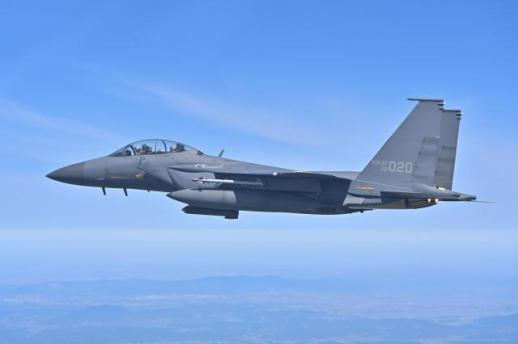 K-chip and defense boom reshapes career paths for Korea's elite talent pipeline SEOUL, May 28 (AJP) - Over the past year, South Korea's manufacturing powerhouses — semiconductors and defense — have staged an epic rise with soaring share prices and record earnings reshaping the ambitions of the country's brightest young people. Semiconductor departments at Yonsei University and Korea University, once considered niche engineering tracks, are now competing directly with medical schools for top science students. The Air Force, meanwhile, has become one of the country's most sought-after military branches as recruits look to gain experience tied to careers in aerospace and defense. Jongro Academy, one of South Korea's largest cram schools focused on top-tier university admissions, reports that admission cutoffs for semiconductor contract departments tied to Samsung Electronics and SK hynix climbed into the top 1 percent range this year. Korea University's semiconductor engineering department recorded a 1.47 cutoff in its academic excellence admissions track for 2026, a sharp improvement from 2.40 in 2021. Some admissions analysts say the programs are now competitive with lower-tier medical schools and could even surpass certain engineering departments at Seoul National University this year. Lim Sung-ho, head of Jongro Academy, said the admissions market is undergoing a historic transformation. "Regional medical schools and semiconductor contract departments at Yonsei and Korea universities have become equivalent choices," Lim said. "I have never seen anything like this in my 30 years working in this field." The trend has become so widespread that South Koreans have coined a new admissions term, "uichihan-yaksu-ban," adding semiconductor departments to the traditional elite grouping of medical, dental, veterinary and pharmacy schools. Hefty salaries, generous stock incentives and surging share prices have broken the long-held dominance of medical schools over the country's top students. The momentum followed a stellar first quarter that reinforced expectations of a memory-chip bonanza during the AI transition. In the first quarter of 2026, Samsung Electronics posted record revenue of 133.9 trillion won and operating profit of 57.2 trillion won, while SK hynix reported revenue of 52.6 trillion won and operating profit of 37.6 trillion won. Their stock prices have surged four- to fivefold in less than a year. Samsung Electronics shares have risen from roughly 80,000 won to 307,000 won over the past year, while SK hynix has jumped from about 230,000 won to 2.24 million won. SK hynix joined the exclusive $1 trillion valuation club this week, following Samsung Electronics. Samsung's semiconductor staff are set to receive bonuses of up to 626 million won this year, while SK hynix employees received profit-sharing bonuses worth up to 2,964 percent of annual base salary — pushing some payouts above 300 million won, roughly the median annual income of ordinary Korean salaried workers. The scale of the payouts has become a national talking point, with some workers reportedly abandoning overseas MBA and training programs in order to remain eligible for bonuses. The long-neglected defense sector is also drawing top talent. The Air Force is attracting unprecedented numbers of applicants as young men increasingly link military service to future careers in the defense and aerospace industries. Data submitted by the Military Manpower Administration to Democratic Party lawmaker Park Sun-won showed that 80,968 people applied this year for 18,000 Air Force enlisted positions, producing a competition rate of 449.8 percent. The March intake reached 936.4 percent, with nearly 15,000 applicants competing for 1,600 positions — the highest monthly figure in at least five years. February's competition rate stood at 891.9 percent, while April reached 849.6 percent. Applications have climbed rapidly in recent years. Total Air Force applicants rose from 46,313 in 2022 to 55,591 in 2023 and 92,664 in 2024. The overall competition rate increased from 257.3 percent in 2022 to 496.5 percent in 2024, before easing slightly this year. The Air Force, once avoided because its mandatory service period is longer than the Army's, is increasingly viewed as a gateway into aerospace engineering, aircraft maintenance, communications systems, software and drone technology. The turning point coincides with the dramatic rise of the defense segment amid sprawling wars in Ukraine and the Middle East. Defense exports hit a record $17.3 billion in 2022 after overseas contracts involving the K2 tank, K9 self-propelled howitzer, FA-50 light attack aircraft and Chunmoo rocket launcher. The boom accelerated after the United Arab Emirates signed a deal for the Cheongung-II missile defense system in 2021, followed by Poland's massive orders for Korean weapons systems in 2022. Companies including Hanwha Aerospace, Korea Aerospace Industries, LIG Nex1 and Hanwha Systems are expanding recruitment in aerospace, radar, satellites, electronic warfare and software engineering. The enthusiasm for semiconductors and defense also reflects broader anxieties among Korean youth over slowing social mobility and weakening job security outside a handful of strategic industries. Artificial intelligence is beginning to reshape hiring in accounting, law and office administration, while semiconductors and defense are increasingly viewed as rare sectors still offering rising wages, export growth and long-term industrial investment. 2026-05-28 10:22:15
 -
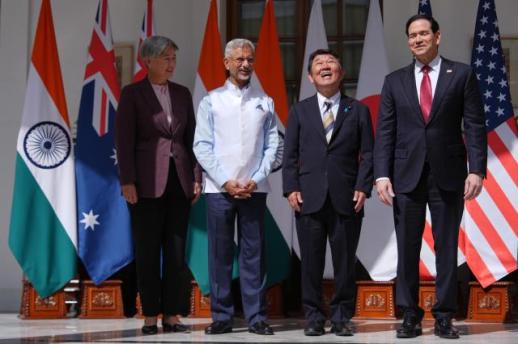 Quad launches joint Indo-Pacific maritime surveillance initiative SEOUL, May 27 (AJP) - The U.S., Japan, India and Australia agreed Tuesday to launch a joint maritime surveillance initiative in the Indo-Pacific, as growing concerns over disruptions in the Strait of Hormuz and the Red Sea sharpened fears over the vulnerability of global shipping lanes and energy supplies. The four nations — known collectively as the Quad — announced the "Indo-Pacific Maritime Surveillance Collaboration" during a foreign ministers' meeting in New Delhi, according to a statement released by the U.S. State Department. The initiative will initially focus on the Indian Ocean, including maritime routes linked to the Persian Gulf and the Red Sea, where Iran and its regional proxies have threatened freedom of navigation amid ongoing regional tensions. In a joint statement, the Quad countries said they were united by "a common vision for a free and open Indo-Pacific, underpinned by robust economic and energy systems." "Recognizing shifts in the global energy landscape and escalating geopolitical complexities, we are accelerating collaboration to ensure energy stability and security," the statement said. The four countries emphasized the need to protect shipping routes and maintain uninterrupted trade flows, warning that disruptions to oil, gas and petrochemical markets disproportionately affect Indo-Pacific economies. "We reiterate the importance of ensuring unimpeded freedom of navigation and uninterrupted flow of global commerce, including in the Strait of Hormuz, and opposing any restrictive measures hampering the flow of commercial vessels," the statement said. The Quad members also pledged to strengthen maritime coordination by expanding the group's existing Indo-Pacific Maritime Domain Awareness initiative into the Indian Ocean and developing a shared "Common Operating Picture" for maritime operations. India will host a maritime monitoring mission involving coast guards from participating countries to coordinate responses to illegal maritime activities, while Australia will host counterterrorism tabletop exercises next month focusing on state-sponsored terrorism threats and unmanned aerial vehicles. The announcement appeared to signal the Quad nations' readiness to coordinate efforts to safeguard shipping routes if Iran seeks to tighten control over the Strait of Hormuz following the recent conflict in the Middle East. They also underscored broader concerns over China's expanding military presence and territorial claims in the East and South China seas. They added resilient supply chains and stable energy markets were essential to regional security. "We reaffirm the importance of resilient and diversified supply chains, including energy products and other downstream commodities," the statement said. The four countries also announced plans to establish a "Quad Fuel Security Forum" aimed at coordinating high-level discussions on energy security and emergency response cooperation. "To this end, the United States, Australia, India, and Japan will work to identify areas of cooperation for the Quad Initiative on Indo-Pacific Energy Security in technology, management, policy, international market analysis, and emergency response exercises," the statement said. U.S. Secretary of State Marco Rubio attended the meeting alongside Japanese Foreign Minister Toshimitsu Motegi, Australian Foreign Minister Penny Wong and Indian External Affairs Minister Subrahmanyam Jaishankar. The Quad was formed in 2004 as a strategic partnership aimed at countering China's growing influence in the Indo-Pacific region. The grouping was elevated to the leaders' level in 2021 under then-U.S. President Joe Biden. 2026-05-27 11:02:25
 -
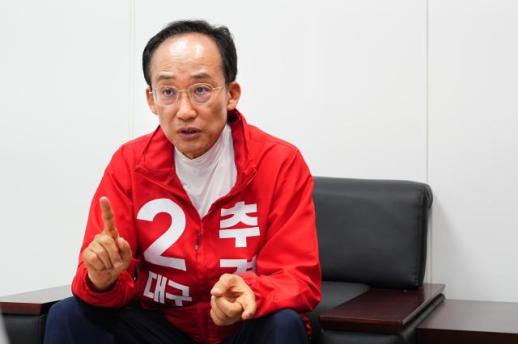 Choo Kyung-ho: Revitalizing Daegu's Economy with AI, Robotics, and Semiconductors "The Daegu mayoral election ultimately comes down to who can revive the Daegu economy. From day one, I will be a 'professional economic mayor' who works efficiently," said Choo Kyung-ho, the candidate for mayor from the People Power Party, during an interview with Aju Economy at his campaign office in Daegu's Suseong District. Choo emphasized that "Daegu cannot simply improve slightly," stating that a "complete overhaul of the Daegu economy" is necessary. He aims to create a city that attracts money and talent, proposing AI, robotics, future mobility, biotechnology, and semiconductors as the five key future industries for Daegu. Choo, a former economic bureaucrat, has held positions including First Vice Minister of the Ministry of Economy and Finance, Director of the Office for Government Policy Coordination, and Minister of Economy and Finance. He has also served as a member of the National Assembly representing Daegu's Dalseong District. The current state of Daegu's economy is challenging. According to the first quarterly real Gross Regional Domestic Product (GRDP) statistics released by the National Data Agency, Daegu's economy shrank by 3.9% in the first quarter of this year compared to the same period last year, the largest decline among all cities and provinces in the country. In the second quarter, Daegu's GRDP also fell by 3.2% year-on-year, contrasting with the 1.9% growth recorded in Gyeongbuk, which ranked third in national growth rates. This highlights the dual challenges of low growth and delayed industrial restructuring facing Daegu's economy. Choo attributed these issues to a failure to adequately respond to changes in industrial structure. He noted, "In the past, Daegu was a city that led South Korea's industrialization centered on textiles and manufacturing. However, as the industrial paradigm shifts toward AI, semiconductors, and digital technologies, we have not secured sufficient new growth engines." He added that the structure in which businesses, talent, and capital are drawn to the capital region has also stifled Daegu's economy. Choo outlined four key initiatives: Industrial Structure Innovation: He plans to foster advanced industries such as AI, robotics, future mobility, biotechnology, and semiconductors while enhancing the competitiveness of existing industries like machinery and textiles through smart technology and value addition. He also aims to focus on service industries favored by young people, including healthcare, culture, tourism, gaming, and content. Creating a Startup City: Choo intends to establish a "three major deep-tech startup belt" connecting Suseong Alpha City, Shinseo Innovation City, and Technopolis. He also plans to create a 1 trillion won startup fund to nurture unicorn companies. Attracting Large Corporations for Quality Job Creation: Choo stated, "I will promote Daegu as the second semiconductor industrial cluster following Yongin," aiming to attract companies like Samsung, SK Hynix, Hyundai Motor, and data centers to create a structure that prevents youth from leaving the city. He emphasized that the lack of good jobs is a common concern among Daegu citizens, stating, "To tell young people to come back, we must first create jobs worth returning to." Building a Super-Regional Economic Zone Centered on the New TK Airport: Choo plans to promote the new airport as a national industry and integrate the regional transportation network and administrative systems of Daegu and Gyeongbuk to develop them into a single economic zone. He remarked, "The airport is not just a transportation facility; it is an economic infrastructure that transforms logistics, industry, tourism, and housing," adding that to overcome the limitations of being an inland city, Daegu must redraw its industrial map centered around the new airport. Regarding his differences with rival candidate Kim Boo-kyum, Choo stated, "Anyone can make promises. What matters is whether they can actually execute them." He highlighted his experience in emergency economic meetings, drafting supplementary budgets for people's livelihoods, attracting investments, and establishing structures like the AX Committee and Daegu-style contract departments as evidence of his leadership and execution capabilities. The upcoming Daegu mayoral election is being viewed as a competitive race, contrasting with the city's traditional conservative stronghold. Choo acknowledged, "I take seriously that citizens are disappointed and worried about the political arena." He noted, "The era when a specific party automatically receives votes is over. Citizens are now looking more critically at 'who can save Daegu' and 'who can deliver results.'" When asked about his relationship with the Lee Jae-myung government and ruling party, Choo stated, "I do not intend to be a mayor who confronts the central government simply because we belong to different parties." He emphasized that the mayor of Daegu is an administrator responsible for the lives of citizens, stating, "We cannot abandon Daegu's projects just because the administration is different, nor can we simply ask for favors without a solid plan." Choo highlighted his 35 years of bureaucratic experience and his role as a former Deputy Prime Minister as his strengths. He stated, "Budgets do not come simply by asking for them. They require precise project design, feasibility, and budget strategy." He added, "I know what needs to be prepared in which department and where bottlenecks occur," and expressed his intention to leverage his central government experience and network to enhance Daegu's negotiating power. Choo also mentioned his proposal for a "joint council for the development of Daegu's economy" to Kim. He stated, "Issues like the TK New Airport and the administrative integration of Daegu and Gyeongbuk should be pursued beyond party lines," asserting that party affiliation is less important than the interests of Daegu. He pledged to cooperate where possible and to demand what is necessary firmly. Finally, when asked what message he would like to convey to citizens who have not yet decided on a candidate, Choo said, "I deeply understand the urgency and frustration of citizens regarding Daegu's economic difficulties." He emphasized, "However, despair alone will not change anything. The most important thing now is to regain confidence that we can succeed." Choo concluded, "I, Choo Kyung-ho, who truly understands the economy, will definitely revive Daegu's economy. The achievements I made in attracting businesses and creating jobs in Dalseong will now be expanded throughout Daegu." He assured, "I will restore Daegu's pride and confidence." * This article has been translated by AI. 2026-05-23 18:51:41
 -
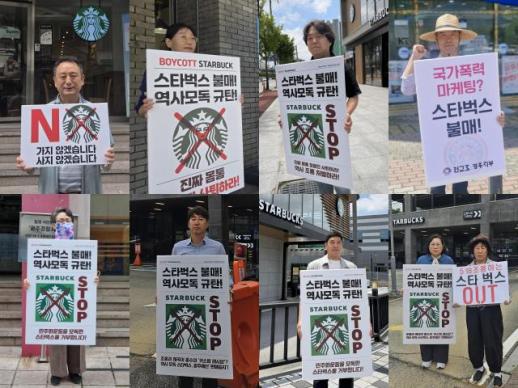 Govt boycott widens vs Starbucks Korea over "Tank Day" backlash SEOUL, May 22 (AJP) - More Korean ministries and public agencies are moving to distance themselves from Starbucks Korea after the top coffee franchise under Shinsegae Group came under fire for its “Tank Day” promotion over its association with the May 18 Gwangju Democratic Uprising. South Korea’s Defense Ministry has temporarily suspended welfare partnership projects with Starbucks Korea as criticism intensifies over what many viewed as historically insensitive marketing tied to one of the country’s darkest democratic tragedies. The ministry had signed a memorandum of understanding with Starbucks Korea on April 6 at its headquarters in Yongsan, Seoul, under the company’s “Hero Program.” The agreement, attended by Vice Defense Minister Lee Doo-Hee and Starbucks Korea strategic planning chief Lee Soo-yeon, included plans to provide beverages to troops stationed in remote areas, scholarships for children of fallen or injured soldiers and employment support for service members preparing for civilian life. The suspension followed mounting outrage over Starbucks Korea’s “Tank Day” campaign, which coincided with the anniversary of the 1980 Gwangju Uprising. Critics argued the use of the word “tank” was deeply inappropriate given the military crackdown that killed and injured pro-democracy demonstrators during the uprising. Civilian boycott of Korea's favorite coffee brand accounting for a quarter of the coffee-chain market has been widening. The controversy has not died down even after Shinsegae Group chairman Chung Yong-jin moved fast to sack Starbucks Korea CEO Son Jung-hyun. Since the incident drew open condemnation from President Lee Jae Myung, government agencies moved swiftly to distance themselves from the brand. The Justice Ministry recently instructed the Supreme Prosecutors’ Office to review whether Starbucks products had been used in official surveys, contests or promotional events since January. Prosecutors later reported that no Starbucks products had been purchased during the period. Minister of Patriots and Veterans Affairs Kwon Oh-eul also publicly criticized the controversy in a post on X on Thursday. “As minister of patriots and veterans affairs, I express deep regret and grave concern over Starbucks Korea, which caused controversy with its May 18 Tank Day event on the anniversary of the May 18 Democratic Uprising,” Kwon said. Kwon added that the ministry would strengthen monitoring against the spread of false information related to the May 18 movement and promote broader historical awareness across society, including within corporations. He also urged Starbucks Korea to issue a sincere apology to democracy activists, bereaved families and the wider public. The veterans ministry is also understood to have conducted a comprehensive review of its use of Starbucks gift certificates and products at ministry events over the past several years and issued internal guidance temporarily banning their use. 2026-05-22 17:39:58
 -
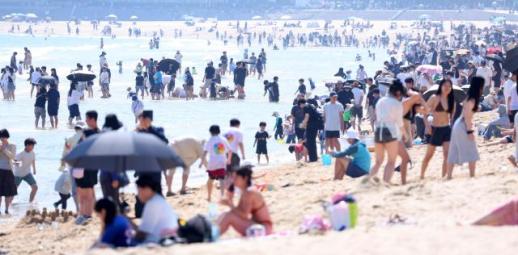 South Korea forecast to see hotter-than-usual summer with extreme heatwave SEOUL, May 22 (AJP) - South Korea is likely to face a hotter-than-usual summer this year, with above-normal sea surface temperatures around the Korean Peninsula expected to fuel prolonged heat and heavy downpours, the Korea Meteorological Administration (KMA) said on Friday in its forecast for the upcoming three months. According to the weather agency, there is a 60 percent chance that temperatures in June and July will be higher than the seasonal average. For August, the peak summer period, the probability is estimated at 50 percent. An analysis by the World Meteorological Organization, using 525 climate model datasets from meteorological agencies and institutions in some 12 countries, also points to a warmer-than-usual summer for South Korea. The analysis put the probability at up to 76 percent that temperatures from June to August would exceed seasonal norms. These forecasts are attributed to unusually warm sea surface temperatures in the North Indian Ocean and North Pacific. Warmer waters in the North Indian Ocean can strengthen convective activity and help generate atmospheric wave patterns that favor high-pressure circulation east of South Korea. Such high pressure systems can draw hot and humid southerly winds toward the peninsula. In recent summers, a strong North Pacific high parked southeast of South Korea has repeatedly helped produce extended periods of oppressive heat. The KMA also cited the likely persistence of a positive North Atlantic tripole pattern, which can help build high pressure in the upper atmosphere over South Korea. That pattern tends to increase sunshine and suppress cloud formation, raising temperatures further. El Niño is another factor. Sea surface temperatures in the central and eastern tropical Pacific are expected to rise through the June-August period, increasing the chance of El Niño conditions. U.S. and international forecasters have said the event could strengthen toward a "super El Niño" level by autumn. Waters around South Korea are also already warmer than usual and are expected to remain so through the summer. The KMA said the probability of above-normal sea surface temperatures was especially high in the East Sea, reaching 70 percent in June and July. Warmer seas can increase the supply of water vapor to the atmosphere, intensifying both heat and the risk of extreme rainfall. The KMA said stronger-than-usual warm currents, including the Tsushima Warm Current and the East Korea Warm Current, have raised ocean heat content near the peninsula. The forecast follows a string of record-breaking warm seasons. Over the past 53 years, South Korea's average June temperature has risen by 1.7 degrees Celsius, while July and August temperatures have climbed by 1.3 degrees and 1.4 degrees, respectively. This year's monsoon season is expected to bring similar or slightly higher levels of rainfall in June and July. The likelihood of heavy rain is linked to hot, humid air flowing into the inland areas from the south. Meanwhile, the Korea Disease Control and Prevention Agency said it began operating shelters and facilities to respond to heat-related illnesses and emergencies last week, and will continue to run them until the end of September in cooperation with more than 500 medical institutions across the country. Heat-related illnesses including heatstroke can cause symptoms such as headaches, dizziness, muscle cramps, fatigue and loss of consciousness, and can be fatal if left untreated. The number of reported heat-related illness cases rose to 4,460 last year, up more than 20 percent from 3,704 a year earlier, and close to the 4,526 cases recorded in 2018, when South Korea experienced its longest-ever stretch of extreme heat days. 2026-05-22 16:30:51
 -
 Starbucks Korea promotion sparks police probe, government boycott SEOUL, May 22 (AJP) - Starbucks Korea is facing a widening political and legal backlash after a marketing campaign tied to the anniversary of the 1980 Gwangju uprising triggered accusations of mocking South Korea’s democratic trauma, drawing police investigations, boycott calls and government sanctions. Chung Yong-jin and former Starbucks Korea chief executive Sohn Jung-hyun are now under police investigation following complaints accusing them of insulting victims of the May 18 Democratic Uprising and their families. The Seoul Metropolitan Police Agency said Thursday it reassigned the case from the Seoul Gangnam Police Station to a public crime investigation unit under its metropolitan investigation squad. Authorities are also expected to merge a similar complaint filed in Gwangju, the southwestern city at the center of the 1980 uprising, into the Seoul investigation. The controversy erupted after Starbucks Korea launched a “Tank Day” promotion on Sunday, the 46th anniversary of the May 18 Democratic Uprising, also known as the Gwangju Uprising. The campaign advertised a “Tank” tumbler series alongside phrases such as “Tank Day” and “Tak! on the desk,” prompting criticism that the company had trivialized two of the country’s most painful moments in modern political history. The May 18 Democratic Uprising began in Gwangju in 1980, when citizens and students protested against the military junta led by Chun Doo-hwan. Troops violently suppressed the demonstrations over 10 days, using batons, bayonets and live ammunition against civilians. The uprising later became a defining symbol of South Korea’s democratization movement. The phrase “Tak! on the desk” drew separate outrage because it echoed the notorious explanation authorities gave after the 1987 torture death of student activist Park Jong-chul. Police initially claimed an officer had struck a desk with a loud “tak,” causing Park to collapse — a cover story that later unraveled and fueled nationwide protests demanding direct presidential elections. The civic group Citizens’ Coalition for Economic Justice and People’s Livelihood accused Chung and Sohn of defaming victims of the Gwangju uprising, bereaved families and Gwangju citizens. Chung removed Sohn from his post Monday as criticism intensified and issued a public apology Tuesday in his capacity as chairman of Shinsegae Group. But boycott calls targeting Starbucks Korea have continued to spread online and among civic groups. The backlash has also expanded into government circles. Interior and Safety Minister Yun Ho-jung said Thursday on X that he expressed “deep regret over Starbucks Korea’s anti-historical behavior” and that his ministry and other state agencies would stop using products from companies that “take lightly the history and value of democracy” as prizes or promotional giveaways at public events. A ministry official told AJP that some government event prizes had already been switched from Starbucks mobile vouchers to vouchers from rival coffee chains after Yun’s remarks. Another official said the minister’s comments signaled that government events should avoid products from companies embroiled in major social controversy when alternatives are available. Some officials said the ministry’s stance could trigger a broader informal boycott across the civil service, given its role in overseeing public administration and workplace culture within government institutions. President Lee Jae Myung also condemned the campaign, saying on X that he was “outraged” and that those responsible should be held accountable. The controversy has renewed scrutiny of Chung, who previously faced criticism over social media posts using anti-communist slogans. Such rhetoric remains highly sensitive in South Korea because far-right groups have long promoted discredited claims portraying Gwangju protesters as North Korean sympathizers. 2026-05-22 11:30:29
 -
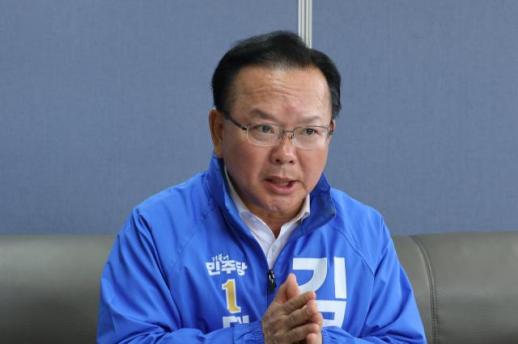 Kim Boo-kyum Aims to Transform Daegu into Southern Korea's Tech Hub Kim Boo-kyum, the Democratic Party's candidate for mayor of Daegu, stated that to revive the city's economy, a fundamental change in its industrial structure is necessary. He plans to integrate artificial intelligence (AI) into Daegu's traditional manufacturing sectors, including machinery, metals, automotive parts, and textiles, while positioning AI robotics, future mobility, healthcare, and quantum technology as new growth engines. In an interview with Aju Economy, Kim described his top campaign promise, 'Industrial Transformation,' asserting, "I will make Daegu the southern region's version of Pangyo," a reference to the tech hub near Seoul. On April 19, Kim held his first campaign promise announcement at his election office in Daegu's Dalseo District, where he outlined 'Industrial Transformation and Job Creation' as his core pledge. He aims to double Daegu's Gross Regional Domestic Product (GRDP) to 150 trillion won by 2035 and create 100,000 quality jobs. The starting point for Kim's industrial transformation is the advancement of existing manufacturing. He stated, "We will innovate design, processes, quality, and logistics by integrating AI into Daegu's robust manufacturing base." He envisions connecting the Su-seong Alpha City, Technopolis, DGIST, local universities, research institutions, and businesses to create an environment where young people can learn, work, and grow in Daegu. Kim also emphasized the importance of fostering youth entrepreneurship and cultural industries. He plans to establish an Asian Global Youth Entrepreneurship and Cultural Convergence Special Zone and create a 100 billion won youth entrepreneurship fund to help turn ideas into businesses and facilitate global expansion. He stressed, "We will create a city where young people can learn about future industries and challenge themselves to start businesses without leaving for the metropolitan area." "GRDP 150 trillion is not just a numerical promise" Kim has committed to achieving a GRDP of 150 trillion won and creating 100,000 quality jobs by 2035. He emphasized, "This is not just a numerical promise; it is a goal to change the industrial structure of Daegu and attract corporate investment." As part of his plan, he proposed a 'Five-Year Industrial Transformation Plan' that will be established immediately upon taking office, with annual goals that the mayor will personally oversee. Kim stated, "I will form a large company attraction team to directly engage with key firms in AI semiconductors, robotics, future mobility, and healthcare." He also revealed plans to expand investment cooperation with major companies in future industries, such as Samsung Electronics, SK Hynix, and Hyundai Motor. His aim is to create an ecosystem that connects not only production facilities but also partner companies, research and development functions, and local mid-sized enterprises. To achieve this, he plans to create a 'Daegu Support Package' that integrates industrial land, talent, finance, and regulatory improvements. Recent economic conditions in the region underscore Kim's concerns. According to data released by the National Statistical Office on June 26 last year, Daegu's GRDP decreased by 3.9%, the largest decline among cities and provinces nationwide. Kim stated, "I will personally meet with CEOs of companies and actively engage with them. We need to make Daegu an attractive destination for businesses," adding that he would shift from an administrative approach that waits for investment to one that actively attracts it. "Daegu's strength lies in directly applying advanced technology to manufacturing" As regions like the metropolitan area, Chungcheong, and Busan-Ulsan-Gyeongnam compete to attract advanced industries, Kim identified Daegu's comparative advantage. He said, "Daegu's strength is its ability to directly connect advanced technology with actual manufacturing sites." He believes that by combining the digital capabilities of Su-seong Alpha City with the manufacturing base in Seongseo and West Daegu, practical applications of AI in design, processes, quality control, and logistics can be achieved. In the robotics sector, he highlighted the strengths of the Korea Robot Industry Promotion Agency, the National Robot Test Field, and the Outdoor Mobile Robot Performance Evaluation Center. Regarding the quantum industry, he mentioned DGIST and the Daegu Digital Innovation Promotion Agency. Kim stated, "We will focus on quantum sensing, devices, equipment, optoelectronics, and sensors first," indicating a phased approach to developing Daegu as a hub for all advanced industries, starting with areas that can be connected to manufacturing. Kim also plans to adopt a different approach to attracting anchor companies. He noted, "Relying solely on demands for headquarters relocation has its limits," and proposed a package approach that combines testing, certification, talent, demand companies, funds, land, and tax incentives. He added, "We will create a structure where companies can validate and commercialize their products more quickly by coming to Daegu." "The key to youth outflow is jobs and wages" Addressing the issue of youth outflow from Daegu, Kim diagnosed it as fundamentally a matter of jobs and wages. He reported that young people he met expressed concerns that "the starting salary for new IT employees in Daegu is only 70% of that in Pangyo," and that they feel compelled to leave despite not wanting to be away from their families. Kim believes that supporting entrepreneurship alone will not solve the youth issue. His strategy includes opening opportunities for aspiring young entrepreneurs through a 100 billion won youth entrepreneurship fund and a youth entrepreneurship and cultural convergence special zone, while also creating stable jobs through corporate attraction and industrial advancement for those seeking employment. Nationally, the employment conditions for youth are challenging. According to the employment trends released by the National Data Portal last month, the number of employed youth decreased by 147,000 compared to the previous year, marking a continuous decline for 41 months since November 2022. The youth employment rate fell to 43.6%, down 0.9 percentage points, while the unemployment rate rose to 7.6%, up 0.1 percentage points. Kim asserted, "Youth outflow cannot be resolved with short-term support alone. We need to create a structure that allows for good jobs and better wages within the region through industrial transformation, attracting large companies, and nurturing future industries." He also proposed asset formation support measures, stating, "We will support asset formation of up to 30 million won for a maximum of five years through the 'Youth Dan-di-Chaeum Fund,'" adding, "We want our sons and daughters to be able to work and prepare for their futures in their hometowns." "Results matter more than the title of Deputy Prime Minister of Economy" In response to rival candidate Choo Kyung-ho's emphasis on his experience as a former Deputy Prime Minister of Economy, Kim directly countered, saying, "The title of Deputy Prime Minister is just a title, not an achievement in itself." He claimed that during his tenure as Prime Minister, Daegu's national funding growth rate was 10.94% in 2021 and 15.47% in 2022. In contrast, he noted that during Choo's time as Deputy Prime Minister, the growth rates were only 0.59% in 2023 and 0.94% in 2024. Kim also raised concerns about revenue shortfalls, stating, "In 2023, there was a revenue shortfall of about 56 trillion won, and in 2024, about 30 trillion won, which were passed on to local governments through cuts in local allocation taxes." Regarding the dynamics of the Daegu mayoral election, he emphasized the importance of cooperation with the central government and the National Assembly. Kim stated, "The new mayor will work on the same timeline as the remaining four years of the president's term, and the success of key issues like the TK New Airport will depend on who can better attract support and cooperation from the ruling party in the central government and the National Assembly." He concluded, "My strength lies in the political power and execution ability to turn Daegu's demands into reality. What Daegu needs now is a mayor who can deliver results, not just talk." * This article has been translated by AI. 2026-05-21 21:06:44
 -
 America-first policy to outlast Trump, says his former chief of staff SEOUL, May 21 (AJP) - Former White House chief of staff Mick Mulvaney said the “America First” brand of economic nationalism and a more restrained U.S. approach to overseas engagement are likely to remain defining features of Washington’s policy landscape long after Donald Trump leaves office. Speaking at a luncheon hosted by the American Chamber of Commerce in Korea at the Grand Hyatt Seoul, Mulvaney said protectionism and economic nationalism reflect broader structural shifts that will shape U.S. policy for years to come. Mulvaney, who briefly served as acting White House chief of staff during Trump’s first term, offered a wide-ranging assessment of the second Trump administration, U.S. foreign policy, trade tensions and the future of the U.S.-Korea economic partnership before more than 120 executives and business leaders. The fireside chat was moderated by AMCHAM Chairman and CEO James Kim. Drawing on his experience in the first Trump administration, Mulvaney said he sees four long-term trends emerging from Washington that are likely to outlast Trump himself: entrenched protectionism and economic nationalism, growing reluctance among Americans to support prolonged overseas engagement, persistently elevated inflationary pressures and a greater willingness by Washington to intervene in strategic industries and private-sector markets. “These are not temporary developments,” Mulvaney said. The discussion also focused on the future of the U.S.-Korea economic partnership amid record bilateral investment and expanding cooperation in semiconductors, shipbuilding, energy, artificial intelligence and advanced manufacturing. Mulvaney highlighted Korea’s growing role as a strategic economic partner and regional innovation hub within the evolving U.S. policy landscape. Asked how Trump views Korea, Mulvaney joked that Trump “doesn't really trust anybody,” adding that the president tends to see even close allies as benefiting from U.S. security commitments. Mulvaney said Trump evaluates foreign countries largely through two lenses: defense spending as a share of gross domestic product and trade deficits with the United States. In that context, he said Korea was “not in the really really bad club,” noting that Trump had been more frustrated during his first term with some European countries that he believed spent too little on defense. At the same time, Mulvaney said Trump understands the geopolitical importance of countries such as Korea, Japan and Australia. Describing the U.S. presidency as “the most isolated job” in the world apart from perhaps the pope, Mulvaney said the version of Trump portrayed on NBC’s “The Apprentice” closely resembles the real person. Unlike many politicians, he added, Trump is not particularly pretentious. Asked how business leaders and foreign officials should deal with Trump, Mulvaney advised them to be direct and straightforward. “His bullshit-meter is really really sensitive,” he said after briefly apologizing to the audience for swearing. Mulvaney also said Trump prefers doing business with people he personally enjoys being around. He cited Shinzo Abe as one of the foreign leaders who managed Trump most effectively during his first term, saying Abe understood the importance of personal rapport and even played golf with Trump despite being “one of the worst golfers in my lifetime.” Mulvaney added that Trump had been “really upset” by Abe’s assassination. He contrasted Trump’s first and second presidential transitions, saying Trump did little preparation before his unexpected 2016 victory but spent four years planning personnel and Cabinet appointments ahead of his 2024 return. Looking ahead to the Nov. 3 midterm elections, Mulvaney said he does not expect the administration’s policy direction to shift significantly even if Democrats regain control of the House or Senate. He also warned that ongoing wars and geopolitical instability are unlikely to ease anytime soon, factors he said will continue shaping the global business environment. Mulvaney also dismissed claims that Trump’s tendency to leave sentences unfinished reflects mental decline, saying the president has “always spoken that way.” 2026-05-21 17:42:12
 -
 Mick Mulvaney Discusses Protectionism as Key U.S. Policy at AMCHAM Event SEOUL, May 21 (AJP) - Mick Mulvaney, the former acting White House Chief of Staff, stated that many of the changes occurring in Washington today are not limited to President Trump but represent structural trends that will shape the U.S. political and economic order in the long term. He also noted that protectionism and a domestic-focused economic policy are likely to remain central to U.S. policy regardless of which party is in power. The American Chamber of Commerce in Korea (AMCHAM) hosted a special luncheon on May 21 at the Grand Hyatt Hotel in Yongsan, Seoul, featuring Mulvaney as a guest speaker. The event, titled 'The Return of America First: Global Business and Geopolitics in the Trump 2.0 Era,' included a one-on-one discussion between AMCHAM Chairman and CEO James Kim and Mulvaney, attended by over 120 members and representatives from major domestic and international companies. Participants discussed the policy direction of a potential second Trump administration, changes in U.S. trade and industrial policy, tariff policies, reshoring strategies, geopolitical risks concerning the Middle East and North Korea, and the restructuring of global supply chains focused on economic security. They also explored ways to enhance U.S.-Korea cooperation in strategic industries such as semiconductors, shipbuilding, energy, artificial intelligence (AI), and advanced manufacturing. Mulvaney served in various roles during the Trump administration, including acting White House Chief of Staff, Director of the Office of Management and Budget (OMB), and acting Director of the Consumer Financial Protection Bureau (CFPB). He elaborated on the decision-making processes and leadership style of the Trump administration, as well as the impact of the 'America First' policy on U.S. domestic politics, foreign policy, and the global economic order. He remarked that there is a growing fatigue regarding long-term foreign interventions in American society, and inflationary pressures are expected to persist for some time. He added that government intervention in strategic industries and the private market is likely to increase, emphasizing that these trends represent structural changes that will affect U.S. economic, industrial, and trade policies for years to come. Having reported daily to President Trump and met with him nearly 20 times a day, he described Trump as someone who “trusts no one.” He explained that Trump perceives allies as taking advantage of the United States. When asked by James Kim about Trump’s leadership style, Mulvaney referenced the TV show 'The Apprentice,' stating, “That’s President Trump.” Mulvaney also noted that Trump enjoyed watching intelligent people debate and preferred negotiating with those he liked. He identified two key criteria that Trump considers when evaluating foreign countries: defense spending relative to GDP and trade balances with the U.S. He stated, “By this standard, South Korea is not a bad country.” He further mentioned that Trump understands the geopolitics concerning South Korea, Japan, and Australia. James Kim remarked, “Mulvaney is one of the few individuals who has experienced the Trump administration up close in Washington. It is meaningful to have this timely and candid discussion here in Seoul.” Kim added that the conversation provided important insights into the changes in the America First policy, U.S. policy direction, and the implications of these changes for Korea, the U.S.-Korea alliance, and the global business community. * This article has been translated by AI. 2026-05-21 16:43:26
 -
 S. Korea tanker exits Strait of Hormuz after talks with Iran amid regional conflict SEOUL, May 20 (AJP) - The first South Korean-operated oil tanker stranded inside the Strait of Hormuz since the outbreak of war between the United States and Iran in late February safely exited the strategic waterway Wednesday following negotiations between Seoul and Tehran, the foreign ministry said. The vessel, operated by HMM, was passing through the Strait of Hormuz on Wednesday afternoon under coordination with Iranian authorities, according to the ministry. Foreign Minister Cho Hyun also confirmed the passage during a parliamentary session earlier in the day. “At this very moment, our tanker is leaving the Strait of Hormuz through consultations with the Iranian side,” Cho told the National Assembly’s Foreign Affairs and Unification Committee. Cho said the ship began sailing Tuesday after discussions with Iranian authorities and was proceeding “very cautiously” through the route. He also referred to “2 million barrels,” apparently indicating the volume of crude oil loaded on the tanker. Ship-tracking data from MarineTraffic and reports from Bloomberg identified the vessel as the Universal Winner, an HMM-operated crude oil tanker owned by the same company as the Namoo, which was recently struck in the region. The tanker, which had remained in waters near Qatar, began moving on June 19 along a route designated by Iranian authorities. The foreign ministry said neither the South Korean government nor the shipping company had paid tolls or compensation to Iran in exchange for the vessel’s passage. Seoul also maintained that Iran’s decision to allow the tanker through the strait was unrelated to the recent attack on the Namoo. The government said the transit became possible after Seoul repeatedly requested safe passage for South Korean-linked vessels while maintaining diplomatic coordination with Tehran through four phone conversations between the two countries’ foreign ministers and the dispatch of a special envoy. Iran informed the South Korean Embassy in Tehran late Monday that passage through the strait would be permitted, the ministry said. The notification came a day after Cho held talks with Iranian Foreign Minister Seyed Abbas Araghchi and requested clarification regarding the attack on the Namoo. The South Korean government is continuing negotiations with Tehran to secure the passage of 25 remaining South Korean-linked vessels still inside the Strait of Hormuz. Officials are reportedly prioritizing ships carrying large numbers of South Korean crew members or cargo considered strategically important to South Korea. Iran has requested that vessels use routes designated by Iranian authorities, though some shipping companies remain concerned over potential security risks and possible U.S. sanctions. The United States Department of the Treasury previously issued an advisory warning that shipping firms and vessels engaging in transactions with Iran related to safe passage through the strait could face sanctions. South Korea’s foreign ministry, however, said it believes the U.S. advisory does not apply to government-level negotiations and does not expect the tanker that exited the strait to become subject to sanctions. 2026-05-20 17:35:40