
Journalist

Lee Jung-woo
cannes2030@ajupress.com
-

A long war, fading certainties *Editor’s Note: As Russia’s invasion of Ukraine nears its fifth year, AJP reviews how the war began, how it has evolved, and where it is heading — and asks the most urgent question of all: will it end? This first installment examines the toll on Ukraine, Russia, and the world. SEOUL, February 07 (AJP) - As Russia’s full-scale invasion of Ukraine approaches its fifth year, the war shows signs of diplomatic motion without political resolution — inching toward talks, yet anchored by irreconcilable claims over land, security and identity. According to a recent report by Reuters, Washington is pressing Moscow and Kyiv to explore a tentative peace framework, with March floated as an ambitious target for progress. U.S. and Ukrainian negotiators, led by Special Envoy Steve Witkoff and former presidential adviser Jared Kushner, have discussed proposals that could eventually be put to a Ukrainian referendum. Yet diplomats on both sides acknowledge that the timeline is fragile. Russia remains adamant about retaining occupied territories, while Ukraine refuses to legitimize territorial loss. For now, the war grinds on — suspended between battlefield exhaustion and diplomatic paralysis. A Goliath Wounded What began on Feb. 24, 2022, as a rapid campaign envisioned by President Vladimir Putin has hardened into a prolonged war of attrition. Russia failed to seize Kyiv, lost tens of thousands of elite troops, and settled into incremental advances measured in meters rather than kilometers. An analysis by the Center for Strategic and International Studies (CSIS) estimates that Russian forces have suffered roughly 1.2 million casualties, including more than 325,000 killed since 2022 — the highest toll for a major power since World War II. At current rates, CSIS warns, combined casualties on both sides could approach two million by 2026. Ukrainian losses are estimated at 500,000 to 600,000, according to CNN, while Britain’s UK Ministry of Defence said Russia crossed the threshold of one million killed or wounded by mid-2024. Despite sustained offensives, Russian units in some sectors have advanced by no more than 70 meters per day — slower than the pace of trench warfare at the Somme in 1916. The result is a modern paradox: a militarized giant bleeding manpower, capital and credibility, yet still capable of sustaining war. The Logic of Attrition Unable to secure a decisive breakthrough, the Kremlin has embraced a strategy of exhaustion — wearing down Ukraine’s infrastructure, economy and manpower through steady artillery fire, drone strikes and missile barrages. Russia now controls about one-fifth of Ukrainian territory. Most of those gains, however, have come at extraordinary human cost. Economically, Moscow’s war footing rests on narrow foundations. Manufacturing output weakened through much of 2025, consumer demand softened, and growth slowed to around 0.6 percent. Demographic decline and labor shortages have deepened structural fragilities. Russia, once eager to present itself as a technology power, no longer hosts a single firm among the world’s top 100 by market value. Yet the war machine persists, sustained in part by external lifelines. Western intelligence agencies say Chinese exports of dual-use goods have enabled Russian factories to expand missile production, while North Korea supplies ammunition in exchange for economic and technological support. Iran, too, remains a critical drone supplier. These networks have allowed Moscow to absorb losses that would have crippled most economies — but at the price of deeper strategic dependence. A Fraying Western Consensus The war has also tested Western cohesion. “The West is showing fatigue,” said Berthold Rittberger of LMU Munich. “Without the U.S., Europe still lacks the capability to contain Putin. Populists and pro-Russian forces are exploiting this to deepen polarization.” Across the Atlantic, Joseph Parent of the University of Notre Dame offers a bleaker assessment. “The war was effectively over in its first six months,” he said. “Both sides lost. Ukraine won’t get its old borders back, and Russia won’t keep Ukraine out of the West. The longer it drags on, the weaker both societies become.” In Washington, election politics further complicate strategy. Uncertainty over future U.S. commitment has already influenced European calculations — and emboldened Moscow. Europe’s Strategic Dilemma For Europe, the war has been both a geopolitical awakening and a fiscal burden. In the early months of the invasion, European leaders moved with unusual unity, imposing sanctions, expanding defense budgets and funneling military aid to Kyiv. Nearly five years on, that consensus has thinned. Energy prices have stabilized, but political cohesion has not. Far-right and Eurosceptic parties — many openly sympathetic to Moscow — are gaining ground from Paris to Prague. Governments face rising defense bills at a time of slowing growth and voter fatigue. “Europe has done more than it ever imagined it would,” said Berthold Rittberger of LMU Munich. “But it is reaching the limits of what it can sustain politically and economically.” While European Union members have pledged tens of billions of euros in military and financial assistance, much of their security architecture still depends on American power. Without U.S. leadership, Europe struggles to translate resources into credible deterrence. “Without the United States,” Rittberger added, “Europe still lacks the military capacity and institutional coordination to contain Russia on its own.” This dependency has sharpened anxieties about Washington’s future reliability. A shift in U.S. policy, European officials fear, would leave the continent exposed — diplomatically, militarily and psychologically. Privately, European diplomats now speak less about “victory” and more about “managing decline”: preventing Ukraine’s collapse, limiting escalation, and preserving NATO’s credibility. The change in tone reflects hard arithmetic. Ammunition stocks are depleted. Defense industries are struggling to scale up production. And public patience is eroding. “Support for Ukraine remains strong in principle,” one senior EU official said, “but weaker in practice. Every budget cycle becomes harder.” For Moscow, this erosion is strategic. Russia’s war planners have long calculated that Western unity would fray before Ukrainian resistance. Europe’s growing ambivalence — amplified by domestic politics — suggests that calculation may yet prove correct. Seoul’s Strategic Lens In South Korea, the war is increasingly viewed not only as a European crisis, but as a rehearsal for geopolitical realignment in Asia and feels too closely at home with the same global superpowers deeply involved in the war including North Korea. Kwon Young-se, a senior lawmaker of the People Power Party and former ambassador to China, observed Trump’s return to had reshaped the conflict. “Trump is unlikely to invest large sums of money in a war he considers unrelated to U.S. interests. That is why Washington is now pushing ceasefire ideas that Kyiv can hardly accept.” For Seoul, the war’s most troubling byproduct lies farther east. “North Korea has gained leverage,” Kwon said. “With Russian technology transfers, its missile and nuclear programs are advancing. That changes the threat environment.” Another former ambassador and lawmaker Kim Gunn traced the conflict to deeper historical anxieties, invoking British geographer Halford Mackinder’s theory of Eurasian power. “Russia believes that without controlling its neighbors, it is vulnerable,” he said. “But recognizing spheres of influence is dangerous. That logic justified past imperialism. It invites endless expansion.” “After the war, Russia will seek new partners,” Kim said. “Its Far East development could become central. Korea may emerge as an important economic partner.” Between War and Peace The current diplomatic push reflects exhaustion more than reconciliation. Russia seeks recognition of its territorial gains. Ukraine seeks security guarantees and sovereignty. The United States wants stability before electoral uncertainty intensifies. None of these goals align easily. For now, negotiations resemble parallel monologues rather than genuine compromise. The front lines barely shift. Casualties accumulate. Reconstruction plans outpace peace prospects. For South Korea, the lesson is strategic duality: maintain solidarity with Western allies while preserving diplomatic channels across Eurasia. “Korea must strengthen its military and work with value-sharing partners,” Kwon said. “But we must also remain pragmatic.” He suggests Seoul must have eyes on post-war order. “It may sound cold,” he said, “but once reconstruction begins, there will be a huge economic stage. Korea should position itself early.” Kim echoed that view: “Our diplomacy must be multidimensional. If major powers tolerate revisionist aggression, global instability will deepen.” Nearly five years in, Russia’s war has become more than a territorial dispute. It is a test of endurance, governance and global resolve. It has exposed the limits of military power, the fragility of alliances, and the costs of strategic ambiguity. Whether March produces a ceasefire or another missed deadline, the deeper reckoning will persist. The conflict has already reshaped Europe’s security order and Asia’s strategic calculations. As one empire’s ambitions erode under the weight of reality, the fault lines of the next global contest are taking shape — slowly, relentlessly, and at immense human cost. 2026-02-08 07:30:53 -
 Presidential SNS politics: excess or essential? SEOUL, February 03 (AJP) - U.S. President Donald Trump is notorious for overnight social-media barrages — posting more than 160 times in a single day as recently as Dec. 1 — and for spending hours on Truth Social. South Korean President Lee Jae Myung is a relative newcomer to such digital excess, but he appears to be embracing the medium with equal enthusiasm. On Sunday, Lee posted a reflective yet firm message on X, formerly Twitter, calling for a national debate on a proposed “sugar levy” aimed at curbing excessive consumption of sweetened beverages. “The more difficult the issue, the more we must discuss it,” he wrote, citing a World Health Organization recommendation for steep global price hikes on sugary drinks and alcohol by 2035. Social-media politicking itself is hardly new in Seoul. Korean politicians have long used online platforms as unfiltered arenas for attack and mobilization. What is new is the scale and centrality of presidential participation. Over just two months, Lee’s use of X surged from a handful of posts in December to nearly four dozen by early February, spanning issues from real estate and fiscal reform to local government efficiency. Cheong Wa Dae stresses that these posts are not off-the-cuff remarks. “They emphasize policy consistency, leadership resolve and a call for responsible journalism,” a presidential aide said. To critics, however, the shift signals something broader: a deliberate attempt to set the national agenda through direct public address, bypassing cabinet deliberation, legislative review and media scrutiny. Lee’s recent posts on the sugar levy, housing policy and administrative restructuring have drawn both praise and backlash. His messages — often lengthy, impassioned and sharply worded — share a consistent theme: impatience with intermediaries, whether political or journalistic. Responding to criticism that the sugar levy amounted to a disguised tax hike, Lee argued that “a tax and a burden charge are fundamentally different,” warning against debate shaped by “distortion and framing.” Elsewhere, he rebuked outlets questioning the end of a real-estate tax exemption, accusing them of “defending ruinous speculation.” When the opposition People Power Party labeled his remarks “provocative populism,” Lee replied on X: “Enough with ruinous real-estate speculation and outdated red-baiting. It’s time to move on.” The tone is unmistakably combative, the pace relentless. On some mornings, Lee posts three separate messages — all drafted, aides say, by the president himself. To detractors, this amounts to governing by post: impulsive, emotional and dismissive of institutional checks. To supporters, it is communicative leadership — a president visibly accountable in real time. Lee’s assertiveness fits a broader global shift. Leaders worldwide have increasingly turned to social media as tools of direct, performative governance. Few exemplify this more starkly than Trump, who, according to The Washington Post, posted more than 2,200 times on Truth Social during the first four months of his second term — roughly 17 posts a day, triple his rate during his first presidency. While Trump’s outbursts often rattle allies and alarm opponents, the logic is similar: direct-to-public communication with minimal mediation and maximal emotional charge. Alex Tahk, a political scientist at the University of Wisconsin, describes this as a modern extension of presidents “going public” — appealing directly to voters to shape agendas and pressure institutions. “Social media makes that process faster and more personalized,” he said, “with far fewer journalistic gatekeepers.” But the power cuts both ways. “By making positions public and emotionally charged, leaders reduce room for compromise,” Tahk warned. “It can undermine negotiation more than it facilitates it.” That risk is acute in South Korea’s polarized political climate. Lee’s forthright tone mirrors a global move from closed-door policymaking toward performative governance, where visibility and conviction often rival coalition-building in importance. “Highly confrontational communication,” Tahk noted, “raises the political cost of bipartisan bargaining.” Media psychologists point to deeper cultural dynamics. Hang Lu of the University of Michigan says social media offers leaders speed, visibility and message control — while blurring the line between governance and performance. “Immediacy and emotional framing can oversimplify complex policy debates,” she said. Lee’s posts often compress intricate fiscal or housing policies into moralized soundbites, tapping what Lu calls the “participatory psychology” of social media — a space where citizens become active, emotionally engaged participants rather than passive audiences. In such an environment, even serious policy proposals can take on the pulse of campaign rhetoric. Tahk calls this “agenda politics through emotional framing.” “Leaders signal direction and energy,” he said, “but the cost is that complex issues become simplified into moral binaries—fair versus unjust, patriotic versus corrupt.” Agenda-setting through social media can privilege attention-grabbing topics over long-term governance,” Lu notes. “It blurs the line between informing the public and performing for them.” That blurring extends beyond content to tempo. Lee’s posting frequency — sometimes several times a day — reflects a presidency operating at the rhythm of the digital news cycle rather than the slower cadence of policy deliberation. Communication becomes continuous, but comprehension more fleeting. Each post triggers immediate responses: ministries scrambling to clarify, pundits to interpret, supporters and critics to mobilize. The presidency becomes a hub of perpetual mediation. Unlike Franklin Roosevelt’s carefully timed fireside chats or Ronald Reagan’s choreographed television addresses, today’s digital presidency operates in an algorithmic, fragmented and perpetual environment. There is no single national audience, only segmented feeds optimized for engagement. In Seoul, the effect is immediate. Presidential posts are instantly reframed by supporters and opponents alike, creating an always-on feedback loop that amplifies both authority and division. Lee’s embrace of this landscape is deliberate. Since his days as mayor of Seongnam and governor of Gyeonggi Province, he cultivated a reputation for online accessibility. As president, that instinct has evolved into a daily rhythm of agenda-setting posts, often paired with news articles he critiques or reframes. Cheong Wa Dae insists this is transparency, not theatrics. Critics see spectacle. The tension between the two may define Korea’s emerging media presidency — one where policy debate unfolds in public view, but where deliberation grows harder the louder the conversation becomes. 2026-02-03 17:07:47
 -
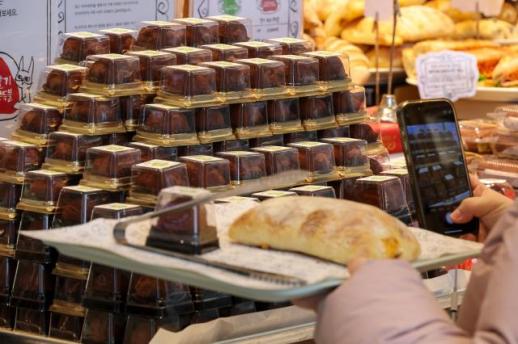 The president has not been joking — and Korea is now part of the global sugar tax debate SEOUL, February 02 (AJP) -The president has not been joking. What first sounded like a provocative aside has evolved into a serious public health proposition, as President Lee Jae Myung pushes South Korea into a widening global debate over whether taxation should be used to curb excessive sugar consumption and its long-term health costs. South Koreans are hardly restrained when it comes to dessert. The recent craze for dujjonku — a sugar-drenched, crunchy cookie inspired by Dubai chocolate — has underscored the country’s growing sweet tooth. But that enthusiasm is now being questioned from an unexpected quarter: health policy. Over the weekend, Lee returned to the idea of a so-called “sugar levy” via social media, pointing to international precedent and rising concern over diet-related disease. On Monday, he shared a report by the World Health Organization titled “The War Against Sweet Addiction — WHO’s Official Sugar Tax Recommendation,” framing the issue as one requiring open, evidence-based national debate. “Proposals such as a sugar charge require open, fact-based national debate precisely because they are complex, easily misunderstood and touch many interests,” Lee wrote. He stressed that excessive sugar intake is a key driver of obesity and metabolic disease, while emphasizing that what is under discussion is not a conventional tax hike. “A health burden fee could be imposed on products where excessive sugar consumption harms health, with the funds directed toward prevention and treatment to reduce pressure on public health insurance,” he said. Lee also drew a distinction between general taxation and earmarked levies designed to serve specific social purposes. “The key is purpose,” he wrote. “A tax without usage restrictions is not the same as a levy dedicated to improving national health outcomes.” The remarks immediately triggered debate among lawmakers and industry groups. Food and beverage companies warned that a sugar charge could raise prices or disproportionately affect lower-income households, while public health advocates said the discussion was long overdue. A broader global shift Korea’s emerging debate mirrors a broader shift underway across Europe, where governments are increasingly turning to fiscal tools to reshape dietary behavior. In January, Slovakia approved a fiscal consolidation package that included a targeted value-added tax increase on sugary and salty foods. Under the plan, which takes effect this year, products such as chocolate, ice cream, confectionery and crisps will be taxed at 23 percent, compared with a standard rate of 19 percent. Slovak authorities said the measure was intended to promote responsible consumption while strengthening public finances. In the United Kingdom, the Labour government has announced plans to expand its Soft Drinks Industry Levy to include milk-based beverages such as bottled milkshakes, sweetened coffee drinks and plant-based dairy alternatives from January 2028. The move closes a long-standing exemption that health officials now argue weakened the policy’s effectiveness. A new “lactose allowance” will exempt naturally occurring milk sugars, ensuring that only added sugars are taxed. Since its introduction in 2018, the UK levy has become one of the most closely watched public health policies in Europe. Officials say it has driven widespread reformulation, with more than 90 percent of soft drinks now containing less sugar than the taxable threshold. Between 2015 and 2022, total sugar sold in soft drinks fell by nearly half. Policy experiments across Europe Across the European Union, nutrition-related taxes have moved from experimental to mainstream. Hungary operates a Public Health Product Tax on sugary drinks, confectionery and salty snacks, generating dedicated revenue for healthcare. France expanded its soft drink tax to include both sugary and artificially sweetened beverages. Portugal applies a tiered tax based on sugar content, while Ireland mirrors the UK approach through its Sugar-Sweetened Drinks Tax. Even Denmark, which repealed its short-lived “fat tax” more than a decade ago, continues to revisit measures aimed specifically at excess sugar intake. These policies, while controversial at inception, are now widely regarded as standard tools of modern public health governance. The WHO formally recommends sugar taxation as one of the most cost-effective ways to reduce obesity and diabetes, alongside education, food labeling reforms and improved access to healthier diets. Korea’s health context South Korea’s public health indicators remain among the strongest in the OECD, but experts warn that dietary shifts toward processed foods and sugar-heavy beverages are eroding that advantage — particularly among younger adults. According to the Korean Diabetes Association’s Diabetes Fact Sheet 2024, an estimated 308,000 people aged 19 to 39 in South Korea are living with diabetes, accounting for 2.2 percent of the country’s total diabetic population. While the proportion may appear small, health authorities caution that early-onset diabetes significantly increases lifetime risks of cardiovascular disease, kidney failure and other complications. More striking is the scale of metabolic risk among young men. The same report found that 37 percent of men in their 30s are in a prediabetic state, meaning their blood sugar levels are already elevated enough to place them at high risk of progressing to full diabetes without intervention. Public health experts say the figures reflect broader lifestyle and dietary changes, including higher consumption of sugary snacks, sweetened beverages and ready-to-drink products, combined with sedentary work patterns and long hours. Marc Diederich, a professor at Seoul National University’s Department of Pharmacy, said the scientific case for preventive action is well established. “Excess added sugar, particularly from sweetened beverages, contributes to obesity, insulin resistance and chronic inflammation,” he told AJP. “These conditions not only undermine metabolic health but also increase cancer risk indirectly through physiological stress and immune dysfunction.” Children and young adults, he added, are especially vulnerable. “High sugar intake is linked to dental disease, unhealthy weight gain and early metabolic abnormalities,” Diederich said. “Fiscal tools can help shift consumption patterns, but they must be paired with education.” He also pointed to Korea’s traditional diet as a preventive asset worth protecting. “Meals centered on grains, vegetables, fermented foods and soups have long supported good health,” he said. “Preserving that food culture should be part of any long-term prevention strategy.” 2026-02-02 17:22:34
 -
 Trump admin pressures Seoul over "unfulfilled" trade commitments SEOUL, January 28 (AJP) - U.S. Trade Representative Jamison Greer told Fox Business on Tuesday that South Korea had yet to honor commitments made under last summer’s “framework agreement,” including a planned 350-billion-dollar investment in the U.S. over three years and steps to open its market to more American automobiles and agricultural products. “We showed good faith by lowering our tariff rate on Korea from 25 percent to 15 percent,” Greer said. “But they haven’t done their part—they haven’t passed the bill to support their investment, they’ve introduced new digital service laws, and they haven’t moved forward on agriculture or industry. It’s hard to keep our end of the bargain when they’re moving so slowly.” The remarks come amid escalating trade tensions between the two allies. The U.S.–Korea Free Trade Agreement (KORUS FTA) Joint Committee, which was supposed to meet last December in Washington for the first time since last fall’s summit, has been postponed indefinitely after Washington demanded “more concrete proposals” from Seoul on non-tariff barriers and digital regulation. According to Korean officials, the dispute centers partly on South Korea’s amended Information and Communications Network Act—a digital-services law aimed at curbing false online content, which U.S. tech firms argue imposes new restrictions on their operations. Trump, speaking during a campaign stop in Iowa on Tuesday, doubled down on his approach, saying that the threat of 25% tariffs has been effective in prompting other countries to return to the negotiating table. “When we mention tariffs, they move,” Trump said, suggesting that the policy remains a core component of his negotiation strategy. Strategic Leverage or Economic Self-Harm? Some experts view the move as an example of Trump’s reliance on tariff threats as leverage, a strategy largely absent from modern U.S. trade diplomacy. “President Trump is using tariffs as political and economic pressure in ways we haven’t seen before,” said J. Lawrence Broz, chair of the Department of Political Science at the University of California, San Diego. “Publicly singling out Korea’s National Assembly personalizes the dispute and justifies unilateral escalation. But protectionism harms U.S. consumers and distorts resource allocation—it’s economically counterproductive in the long term.” Broz added that the episode underscores the eroding influence of multilateral trade institutions like the WTO, which were designed to restrain powerful countries from acting unilaterally in trade conflicts. Domestic Politics in Play Other analysts suggested political motivations may also be at work. Eric A. Langenbacher, a professor at Georgetown University, noted that two rival bills are currently before South Korea’s National Assembly to create a mechanism for the pledged investments. “The timing may not be coincidental,” he said. “Trump might be trying to break the legislative impasse in his own way. His policy messages often follow from the most recent conversation he’s had, so the key question is—who raised the South Korean issue to him, and to what end?” Langenbacher added that it remains unclear whether Trump has a preferred political faction in South Korea, but drew parallels with his administration’s past signals of support for European right-wing populist parties, suggesting that “this might be a way to tilt the domestic debate.” 2026-01-28 18:20:40
 -
 Trump's tariff threat jolts Seoul politics but leaves markets largely unruffled SEOUL, January 27 (AJP) - President Donald Trump’s renewed tariff threat against South Korea rattled the political establishment in Seoul but stopped short of derailing financial markets, underscoring investors’ view that the dispute is more political theater than an imminent economic shock. Washington’s displeasure over what it sees as Seoul’s slow follow-through on investment commitments tied to tariff relief had been telegraphed in advance. According to government sources, the U.S. government sent a letter to Seoul about two weeks ago urging South Korea to fulfill follow-up obligations under the trade-related section of a bilateral “Joint Fact Sheet” agreed last November. The correspondence was reportedly addressed to Foreign Minister Cho Hyun, Industry Minister Kim Jung-kwan and Fair Trade Commission Chair Ju Biung-ghi, and appears to have served as a prelude to Trump’s latest move. In a post Monday on his social media platform Truth Social, Trump accused South Korea’s National Assembly of failing to complete the legal procedures required to implement the trade commitments. He announced that tariffs on Korean automobiles, timber, pharmaceuticals and “all other reciprocal TARIFFS” would be raised from 15 percent to 25 percent, without specifying an effective date. Industry Minister Kim, who was in Ottawa to support a Korean consortium bidding for Canada’s submarine procurement project, cut short his schedule and headed to Washington to engage U.S. officials. U.S. observers noted that Seoul has become the latest target in what they described as a broader Trumpian tariff offensive that has also swept in the European Union and Canada, all accused of foot-dragging on trade or investment pledges. The overnight threat had an immediate wake-up effect on the political front in Seoul. President Lee Jae Myung, presiding over a cabinet meeting, criticized the National Assembly for moving “too slowly” on legislation, without explicitly referencing the special bill related to U.S. investment commitments. Rep. Kim Han-kyu of the ruling Democratic Party, a member of the National Assembly’s Strategy and Finance Committee, said lawmakers were already advancing the necessary bills and budget measures. “Despite President Trump’s remarks, the National Assembly will proceed calmly according to the planned schedule,” Kim said, adding that tariff-related commitments “are being carried out as agreed.” Financial markets, however, appeared largely unfazed. The benchmark KOSPI rose 2.73 percent to close at a record 5,084.85, while the tech-heavy KOSDAQ gained 1.71 percent to 1,082.59. The Korean won weakened only marginally, with the U.S. dollar rising 0.20 won to 1,448.2 won. “The market rally shows that investors trust the government’s composed response and are not shaken by President Trump’s actions,” the ruling party lawmaker said. Opposition figures were less sanguine. Rep. Choi Eun-seok of the main opposition People Power Party argued that the administration had downplayed the need for parliamentary ratification of the trade deal. “The government’s complacency has given the U.S. an excuse to act unilaterally,” Choi said, calling for a parliamentary hearing with Deputy Prime Minister Koo Yoon-cheol to determine “what went wrong.” The blame game quickly escalated. Democratic Party Rep. Cho In-chul countered that opposition lawmakers themselves had slowed legislative progress. “The agreement clearly states that ratification is not required,” Cho said. “All that’s needed is supporting legislation. The Strategy and Finance Committee is chaired by the opposition, yet they accuse us of inaction.” U.S. scholars were broadly critical of Trump’s tariff posture toward allies. Jeffrey Frankel, a professor at Harvard Kennedy School, said Trump was not singling out South Korea. “He is imposing tariffs that are illegal, illogical and harmful on almost all U.S. trading partners,” Frankel said. Matthew Bunn, also of Harvard, said Trump’s actions were difficult to explain. “I have no idea what has caused President Trump to suddenly do this — along with so many other things that undermine the interests of American allies,” Bunn said. Erik A. Gartzke, a political science professor at the University of California, San Diego, described Trump’s behavior as “bullying.” “Don’t worry — the Republic of Korea is nothing special,” Gartzke said. “People around the world are learning that Trump is a bully. Accommodate him and he will come back for more. Stand up to him and he usually chickens out.” John Dunn, professor emeritus at the University of Cambridge, called Trump “a very impatient bully,” arguing that his approach reflects “a minimalist conception of a contract — it binds others but not him unless they have a means to enforce it.” Trump, Dunn added, “rightly supposes that South Korea is more dependent on the U.S. than the U.S. is on South Korea, and therefore cannot enforce the agreement.” “This is a completely general pattern of behavior,” Dunn said. “He has only really backed off in the case of China. The South Korean legislative process, meanwhile, is seldom brisk.” 2026-01-27 17:44:38
 -
 South Korea pushes bid for Canada's submarine project as economic ties deepen SEOUL, January 27 (AJP) - South Korea is stepping up efforts to win Canada’s next-generation submarine contract, leveraging a flurry of industrial cooperation deals and high-level diplomacy aimed at deepening the two countries’ strategic and economic ties. The Ministry of Trade, Industry and Resources said it hosted the South Korea–Canada Industrial Cooperation Forum on Monday at the Park Hyatt hotel in Toronto, bringing together business and government leaders from both countries. The event comprised a two-part program: an automotive industry cooperation forum and a South Korea–Canada CEO dialogue. Senior figures in attendance included presidential chief of staff Kang Hoon-sik, Industry Minister Kim Jung-kwan, and Defense Acquisition Program Administration Commissioner Lee Yong-cheol. From the Canadian side, participants included Philip Jennings, deputy minister of Innovation, Science and Economic Development, and Victor Fedeli, the Ontario minister of economic development, job creation and trade, alongside other federal and provincial officials. Officials discussed strengthening collaboration in future mobility sectors such as eco-friendly and autonomous vehicles. “The auto industry is a core backbone industry that runs through both countries,” Kim said, emphasizing that South Korea will help both nations’ automakers “seek opportunities together and grow.” In a show of expanding cooperation, six memorandums of understanding (MOUs) were signed between major firms in key high-tech and strategic industries. They included agreements between Hanwha Ocean and Algoma Steel (steel), Hanwha Systems with Telesat and MDA Space (low-Earth-orbit satellites), Hanwha Ocean–Hanwha Systems–Cohere (AI), Hanwha Systems and PV Labs (advanced sensors), and POSCO International and Torngat Metals (rare earths). The MOU was signed as part of discussions between the South Korean and Canadian governments and companies on industrial cooperation ahead of Canada’s upcoming submarine procurement program. It outlines a concrete model for industrial collaboration that aligns with the Canadian government’s emphasis on local industry participation and Industrial and Technological Benefits (ITB) — the so-called “Buy Canadian” policy. Hanwha Ocean first signed an agreement with Algoma Steel, Canada’s largest steel manufacturer, to support the Canadian submarine project. If Hanwha wins the submarine contract, the two companies will cooperate on building a steel plant in Canada and establishing a stable supply chain for steel products used in submarine construction and maintenance (MRO) infrastructure. Hanwha Ocean will invest approximately CAD 345 million in the initiative. Hanwha Ocean and Hanwha Systems also entered into an artificial intelligence partnership with Cohere, a leading Canadian AI unicorn, to jointly develop specialized AI technologies applicable to shipbuilding and submarine system integration and operation. The collaboration will utilize Cohere’s large language models (LLMs) and large multimodal models (LMMs) to enhance processes across production planning, design, and manufacturing. Hanwha Systems will further collaborate with Telesat, a Canadian satellite communications company, to develop next-generation low Earth orbit (LEO) satellite communications. By combining Hanwha’s expertise in satellite manufacturing and terminal development with Telesat’s satellite network operation and design capabilities, the two companies aim to deliver a globally competitive LEO satellite communication network for both domestic and international markets. In addition, Hanwha Systems signed an MOU with MDA Space to cooperate on defense and security-oriented satellite communications and space technologies, and another with PV Labs to advance electro-optical and infrared (EO/IR) sensor technologies for defense applications. A study by global consulting firm KPMG estimated that Hanwha’s proposed industrial cooperation plan for the Canadian submarine project could create more than 200,000 cumulative job-years in Canada by 2040. The ministry said the deals are expected to reinforce collaboration across advanced industrial sectors including steel, defense, space, AI, and rare earth development. During the second session, business leaders gathered for the third South Korea–Canada CEO Dialogue, co-hosted by the Federation of Korean Industries and the Business Council of Canada. Executives from 12 South Korean and nine Canadian companies discussed opportunities in supply-chain resilience and strategic industries. “Our companies already see Canada as a trusted, key partner,” Kim said, adding that stronger cooperation will “enhance supply chain stability, create jobs in both countries, and boost global competitiveness.” Strategic Stakes in Canada’s Submarine Modernization Beyond trade, Seoul’s outreach carries strategic weight. South Korean shipbuilders — notably Hanwha Ocean — are reportedly positioning themselves for Canada’s multibillion-dollar Canadian Patrol Submarine Project (CPSP), one of Ottawa’s largest and most consequential defense procurements. Canada’s aging fleet of Victoria-class submarines, built in the 1980s and slated for retirement by the mid-2030s, has prompted Ottawa to pursue up to 12 conventionally powered, under-ice-capable submarines under the CPSP. The project, part of the government’s “Our North, Strong and Free” defense policy, reflects growing security concerns in the rapidly warming Arctic, where Russia and China are expanding their presence. “Submarines are crucial to Canada’s ability to defend its sovereignty, monitor maritime approaches, and project power beyond its shores,” said Julie Kim of the Canadian Global Affairs Institute. “The CPSP has assessed that the most efficient path forward is to procure foreign-built, Military-Off-the-Shelf submarines that meet Canada’s operational needs.” A Deeper Strategic Partnership If South Korea were selected as a partner, analysts say the decision could mark a watershed in bilateral ties. The two nations upgraded their relationship to a Comprehensive Strategic Partnership in 2022, identifying defense cooperation as one of five core pillars. That partnership deepened further with the signing of the Canada–Republic of Korea Security and Defence Cooperation Partnership in October 2025. “With mounting global instability and the shifting dynamics of Canada–U.S. relations, Ottawa is actively seeking reliable defense partners with proven production capacity,” Kim noted. “South Korea has earned a reputation for delivering cost-effective, U.S.-interoperable systems that are already in service with key Western allies.” The Royal Canadian Navy already conducts joint maritime exercises with the ROK Navy through Operation HORIZON and Operation NEON, while also operating together in multinational maneuvers such as RIMPAC and PACIFIC VANGUARD. If Canada were to procure South Korean-built submarines, both navies would share advanced underwater technologies for decades — a move expected to significantly strengthen bilateral defense cooperation and interoperability in the Pacific. 2026-01-27 09:35:14
 -
 Team Korea in Canada under watch as Korea's defense manufacturing moves to global center SEOUL, January 26 (AJP) -As countries accelerate rearmament amid a more inward-looking U.S. security posture, South Korea’s defense manufacturing capacity has moved to the center of global procurement — a shift underscored by Seoul’s decision to dispatch a high-level delegation to Canada to back a $44 billion submarine bid. Presidential Chief of Staff Kang Hoon-sik departed for Canada on Monday, leading a delegation that includes Industry Minister Kim Jung-kwan and Defense Acquisition Program Administration head Lee Yong-cheol. The visit is aimed at supporting Seoul’s bid for the Canadian Patrol Submarine Project (CPSP), estimated at around 60 trillion won ($44 billion). Joining the delegation are Hyundai Motor Group Chairman Chung Eui-sun and Hanwha Group Vice Chairman Kim Dong-kwan — a lineup that underscores how seriously Seoul views the opportunity and highlights the growing role of state-industry coordination in major defense contracts. Before boarding his flight at Incheon International Airport, Kang told reporters the competition has narrowed to two contenders — South Korea and Germany. “Germany is a global manufacturing powerhouse in automation and advanced chemical engineering,” Kang said, adding that “given how South Korea inherited core submarine technologies from Germany in our early development stages, the situation will not be easy.” Germany, which recently lost Poland’s submarine tender, is said to be approaching the Canadian competition with exceptional intensity. Nevertheless, Kang emphasized the scale of the project and its implications for South Korea’s industrial base. “This is the largest defense procurement project currently underway internationally,” he said. “If we win, the domestic production ripple effect alone would exceed 40 trillion won, creating more than 20,000 jobs and securing work for over 300 partner companies.” Manufacturing capacity meets strategic demand The CPSP has emerged as a test case for how defense procurement is evolving globally. Canada is seeking up to 12 diesel-electric submarines of roughly 3,000 tons, along with decades of maintenance, repair and overhaul (MRO). Ottawa is also reportedly requiring part of the project to be carried out at a new local shipyard, while allowing initial units to be built in the contractor’s home country. Such conditions favor suppliers with large-scale manufacturing capacity and the ability to integrate local production and long-term sustainment — areas where Korea has increasingly differentiated itself. Global demand for weapons has surged as allies face pressure to rebuild inventories as the United States urges partners to shoulder more of their own defense burden under an America-First security policy. In Europe, rearmament has accelerated, but fragmented industrial structures and capacity bottlenecks have limited supply. Korea’s ability to produce and deliver complex systems at scale has elevated its standing from a fast-growing exporter to a core manufacturing hub in the global defense market. Historical ties and diplomatic signaling On Sunday, the eve of his departure, Kang paid tribute to Canadian soldiers who fought in the Korean War at the War Memorial of Korea in Seoul. He laid a wreath at the monument honoring Canada’s fallen and observed a moment of silence. Though Korea and Canada are not formal military allies, the two countries have expanded security cooperation under their “Comprehensive Strategic Partnership.” Last October, Seoul hosted Canadian Prime Minister Mark Carney, and the two governments signed a Military Information Security Agreement, laying the groundwork for deeper defense industrial collaboration. A bid shaped by geopolitics Experts say the CPSP has become more than a procurement contest, reflecting broader shifts in the global security architecture. “Canada–South Korea relations have long been strong,” said Daniel Béland, professor of political science at McGill University. “More than 500 Canadians died during the Korean War defending the South against the North’s aggression, and since then, Canada has played a direct role in the UN Command.” Béland said ties have deepened since formal diplomatic relations were established in 1960. “Economic and strategic ties have increased since the advent of the CKFTA trade agreement a decade ago,” he said. “Given the current geopolitical and trade uncertainties created by the second Trump administration, we’re likely to see even stronger security and economic ties between our two countries — in line with the multilateral collaborative strategy outlined by Prime Minister Carney in his recent Davos speech.” He added that “the very fact that a South Korean company was shortlisted for the CPSP has already brought the two countries closer together,” and that a win by the KSS-III design would deepen cooperation across both economic and security fields. Canada’s recalibration and Europe’s signal Patrick Lennox, a Canadian politician from the ruling Liberal Party, described the submarine project as central to Ottawa’s push to strengthen maritime capabilities and diversify partnerships. “Canada’s participation in the Korean conflict hearkens back to a time when our foreign policy could leverage multilateral institutions like the UN to attempt to constrain and moderate American decisions,” Lennox said. “With those days squarely behind us, we are seeking to diversify and strengthen our global partnerships and rebuild our military capability.” He called the CPSP “a key feature of this generational investment,” linking it to Canada’s Indo-Pacific strategy. “Canada is looking to open new opportunities for security cooperation and to strengthen stability on the Korean Peninsula,” Lennox said. “At a strategic level, geopolitical imperatives are pushing our two democratic nations closer together as we work towards enhancing middle power alliances and strategic partnerships in the face of unconstrained great power politics.” Beyond submarines Trade officials say Canada has asked both South Korea and Germany for broader industrial commitments as part of offset negotiations, with Ottawa favoring local investments and supply-chain integration. Kang’s entourage is therefore expected to pursue parallel discussions on industrial cooperation. Hyundai’s Chung and Hanwha’s Kim are reportedly exploring local partnerships aligned with Canada’s manufacturing and climate priorities. Public diplomacy is also part of the visit. Seoul plans cultural and commemorative events highlighting historic ties, including a memorial marking 70 years since the death of Oliver R. Avison, a Canadian medical missionary and founder of Severance Hospital. A musical dramatizing the work of early Canadian missionaries in Korea is scheduled to coincide with the delegation’s stay. 2026-01-26 16:13:20
 -
 South Korea is aging fast, but policy is falling behind SEOUL, January 23 (AJP) - South Korea has officially entered the ranks of super-aged societies, but its policies remain anchored in a younger past. The result is a deepening crisis marked by the OECD’s highest old-age poverty rate and one of the world’s most alarming suicide rates among seniors—outcomes that experts say reflect years of delayed and fragmented responses to demographic change. According to the OECD’s Pensions at a Glance 2023, four out of ten Koreans aged 65 and older live below the poverty line, defined as having an income at or below half of the national median disposable household income. The figure is nearly three times the OECD average of 14.2 percent. While the comparison is imperfect—Korea’s measure is income-based and excludes assets such as real estate—other global indicators consistently point to the same conclusion: old age in Korea is unusually harsh. Nowhere is that clearer than in suicide statistics. South Korea’s suicide rate among older adults stood at 42.2 per 100,000 as of 2020, roughly 2.5 times the OECD average of 16.6, according to a 2024 report. Domestic figures tell a similar story. Data from Statistics Korea show that in 2025, the income poverty rate for those aged 66 and older reached 39.7 percent, nearly triple the OECD average of 14.8 percent. The burden grows heavier with age. Among people aged 75 and above, public transfers such as basic pensions do far less to reduce poverty than they do for younger seniors, suggesting widening disparities within the elderly population itself. Structural features of Korea’s labor market compound the problem. Many older Koreans continue to work not by choice but by necessity, often in low-paid and unstable jobs. This year, the number of workers clocking fewer than 15 hours a week surpassed one million, with nearly 70 percent of them aged 60 or older. These “ultra-short-hour” jobs—typically in cleaning, waste collection or other manual tasks—offer little security and meager pay, trapping seniors in precarious livelihoods. Health costs further magnify financial stress. Nearly half of Koreans aged 75 and above suffer from three or more chronic illnesses, and about 15.7 percent live with dementia—more than three times the rate among younger seniors. Medical and long-term care expenses hit the poorest hardest, often pushing them deeper into poverty late in life. Gender disparities deepen the gap Lifetime inequality in Korea’s labor market carries directly into old age, leaving elderly women especially vulnerable. In 2023, male workers earned an average of 26,042 won per hour, while women earned just 18,502 won—about 71 percent of men’s wages—according to the Ministry of Gender Equality and Family. Nearly half of female workers were non-regular employees, compared with less than a third of men, and women were more than twice as likely to be classified as low-wage earners. The retirement gap is stark. Men aged 60 to 64 receive an average national pension of about 980,000 won a month, while women receive just 460,000 won—less than half. OECD data show that 45.3 percent of elderly Korean women live in poverty, far above the OECD average of 10.2 percent. “I come here every day for free meals” The statistics take on human form at soup kitchens across Seoul. On a cold winter morning near Tapgol Park, dozens of elderly men and women gathered quietly before lunchtime, hands tucked into thin coats. For many, these soup kitchens are not only their main source of food, but also their only place of social contact. An 88-year-old man originally from Hwanghae Province said he travels nearly an hour by subway each day to eat. “I come here for free meals every day,” he said. “Breakfast, lunch and dinner—I get them all from soup kitchens. There are others near Cheongnyangni and Seoul Station too.” Nearby, an 82-year-old woman from Jeongneung described scraping by on her basic pension and income from public work programs. Her monthly income, she said, is just under one million won. “About ten days a month, I pick up cigarette butts on the street,” she said. With a husband suffering from dementia, she is the family’s sole earner. “Dentures are covered by insurance, but crowns are not. One tooth costs 500,000 to 600,000 won. I just can’t afford it.” Another woman, 86, said she has no bathroom in her home. “I walk about five minutes to a public restroom,” she said. “It’s manageable most days, but in winter the roads freeze and I fall.” With no other work available, she collects cardboard, earning about 6,000 won a day if she is lucky. “I start at six in the morning and go until it’s dark.” Volunteer Yoo Yoo-jae, 68, said around 300 elderly people visit the soup kitchen each day. “Some even come from Cheonan because subway rides are free,” he said. “Most are in their 70s or older. We have five people over 90 who come regularly, and about ten who use wheelchairs.” A structural challenge, not a temporary one “Suicide among older adults in South Korea has long been a chronic social problem,” said Kim Jae-woo, a sociology professor at Jeonbuk National University. As of 2023, the suicide rate for those aged 65 and above reached 40.6 per 100,000—about 1.5 times higher than the overall rate across all age groups. “Economic hardship, physical illness, depression and social isolation all interact,” Kim said. “But poverty remains one of the most decisive factors.” While expanding mental health services is important, Kim stressed that the solution must be broader. Korea, he said, needs stronger community-based care systems for frailty and chronic illness, more robust social networks, and—most critically—direct financial support for economically vulnerable seniors. As policymakers debate reforms, the elderly lining up at Seoul’s free meal centers are already living with the consequences. Their hunger, illness and isolation are not abstract risks on a demographic chart, but daily realities unfolding quietly at the margins of one of the world’s richest economies. 2026-01-23 17:15:37
 -
 Analysis: Why Greenland became the Arctic's most dangerous geopolitical flashpoint SEOUL, January 23 (AJP) - As Arctic ice retreats, Greenland has emerged as one of the world's most consequential — and misunderstood — geopolitical battlegrounds. The world's largest island, sparsely populated yet strategically irreplaceable, now sits at the intersection of U.S. missile defense, Russian militarization, Chinese resource ambition and Europe's evolving security posture. U.S. President Donald Trump's renewed push to assert U.S. control over Greenland — abruptly dialed back this week after a tense standoff with European allies — did not create this competition. But it exposed how fragile the Arctic balance has become, and how little room remains for 19th-century power politics in a 21st-century alliance system. A strategic island the U.S. never stopped wanting Greenland's importance to Washington is not new. Since the 19th century, U.S. policymakers have viewed the island as a northern shield. After World War II, President Harry Truman offered Denmark $100 million in gold for sovereignty — an offer Copenhagen rejected but which set the template for decades of pragmatic compromise. Under a 1951 defense agreement, updated most recently in 2023, the U.S. has long operated military facilities on Greenland, most notably Pituffik Space Base, which hosts radar systems critical to detecting Russian intercontinental ballistic missiles crossing the Arctic. "The U.S. has long recognized Danish sovereignty over Greenland," said Charles Miller of the Australian National University. "But Denmark, as a founding NATO member, has consistently accepted U.S. military bases there, including nuclear-related capabilities." In purely military terms, Washington already has what it needs. Arctic ice melts — and geopolitics rushes in What has changed is the Arctic itself. As ice cover recedes, the region is no longer a frozen buffer but a navigable frontier. New shipping lanes promise to cut weeks off voyages between Asia, Europe and North America. Russia has responded by expanding Arctic bases and weapons systems, while China — declaring itself a "near-Arctic state" — has sought port access, research footholds and mineral stakes. "Greenland is enormously important strategically for the U.S. given the rapid expansion of Russian bases and armaments in the Arctic, and the deepening Sino-Russian relationship," said Kent Calder of Johns Hopkins University. "Trump's actions, however disruptive, were a wake-up call that will likely produce a stronger NATO response." Yet experts stress that none of this requires American sovereignty. "There is already a defense agreement that allows the U.S. to build and run whatever military bases it wants," said Ole Wæver of the University of Copenhagen. "From a security perspective, the key asset is already there: the radar at Pituffik." The resource myth — and the reality beneath it Beneath Greenland's ice lies another temptation: vast deposits of rare earth elements essential for electric vehicles, wind turbines, semiconductors and defense technologies. Sites such as Kvanefjeld are frequently cited as potential alternatives to China's near-monopoly over global supply. American and European policymakers see opportunity. Greenland’s leaders welcome investment. But the economic story is far less straightforward. Rare earth ores in Greenland are interwoven with uranium and thorium, creating serious environmental and health risks. In 2021, Greenland's electorate voted in a government that promptly banned uranium-linked mining, halting flagship projects. Infrastructure is minimal. Operating costs — the so-called "Arctic cost" — are punishing. "American firms can invest in mining," Wæver noted. "That is very welcome. But sovereignty is not the issue — environmental and social consent is." Even from Washington's perspective, access, not ownership, is the prize. "The U.S. could negotiate rights to critical minerals," said David Smith of the University of Sydney — without redrawing borders. Why Trump's approach alarmed allies Despite these realities, Trump revived his Greenland fixation after returning to office, pairing security rhetoric with tariff threats against Denmark and other European states. At one point, European officials openly discussed the risk — however remote — of U.S. coercion. "The risk of military intervention probably was real," Wæver said. "It was crazy, but it couldn't be ruled out." That prospect collapsed this week at Davos, where Trump announced a vague "framework for a future deal" after meeting NATO Secretary-General Mark Rutte, dropping tariff threats and insisting force would not be used. The episode ended not with conquest, but with deterrence. "There is no public support in the U.S. for such a move," Miller said. "The economic consequences could be catastrophic, and there is strong opposition within the U.S. military." Europe's response — dispatching troops, hardening rhetoric and signaling economic retaliation — mattered. "The Europeans won," Wæver said. "Not militarily, but economically and politically." The sovereignty line that cannot be crossed What Trump's gambit ultimately collided with was not just NATO resistance, but a post-colonial norm: territory is no longer bought, sold or seized without the consent of its people. Greenland, home to just 57,000 residents, has enjoyed home rule since 1979. Denmark cannot sell it — and Greenlanders would not accept it. "There's a reason territorial purchases hardly happen anymore," Smith said. "National self-determination is the norm. Even the Trump administration seems to recognize that Greenlanders must have a say." The likely outcome now is incrementalism: expanded U.S. basing rights, greater NATO presence, limited resource cooperation — possibly modeled on U.S. compacts with Pacific island states. Everything short of sovereignty. The Arctic lesson Greenland's moment reveals a broader truth about the Arctic. The region is not just a security theater or a resource vault. It is an ecosystem, a homeland and a diplomatic stress test. Hard power can seize land. It cannot legitimize it, insure it, or integrate it into global supply chains. As the ice melts, access will matter more than ownership — and trust more than threats. Trump's retreat underscores that reality. The Arctic may be warming rapidly. But the rules governing it have not melted nearly as fast. 2026-01-23 09:22:52
 -
 Seoul weighs weekly half-price movie tickets to lure audiences back to cinemas SEOUL, January 21 (AJP) - South Korea is considering offering half-priced movie tickets and free admission to royal palaces every Wednesday, instead of once a month, as part of a broader effort to revive cultural consumption — though doubts remain over whether the move can rescue a struggling cinema industry. The Ministry of Culture, Sports and Tourism said Tuesday it plans to expand “Culture Day,” currently held on the last Wednesday of each month, to every Wednesday. The timing of the change has not yet been finalized. Since its launch in 2014, Culture Day has allowed the public to visit national heritage sites such as Changgyeong Palace and Deoksu Palace for free and receive discounts at movie theaters and other cultural venues. Under the program, major cinema chains including CGV, Lotte Cinema and Megabox have offered 2D movie tickets priced at 7,000 won — less than half the average ticket price of about 15,000 won — for screenings between 5 p.m. and 9 p.m. While roughly one-third of moviegoers used the discount in 2014, participation surged to 85 percent by 2024, highlighting how deeply audiences have come to rely on price incentives. The proposed expansion comes as alarm grows over the state of South Korea’s film industry, which has been hit hard by the rapid shift toward streaming platforms. “The uncomfortable truth is that the film industry has practically collapsed,” said Kim Han-min, director of The Admiral: Roaring Currents, at a film forum hosted by the Korean Film Council and the National Assembly’s Culture Committee in January 2024. Director Kim Sung-soo echoed that assessment at the 2025 Mise-en-scène Short Film Festival. “If I had to describe it in one word: collapse,” he said. “Korean films simply aren’t being made.” “There used to be 50 to 60 commercial features shooting at any given time,” said one production executive. “Now it feels like barely half that.” Industry observers say the decline in theater attendance reflects deeper structural problems in Korean filmmaking. “When films like Avatar or Zootopia 2 succeed, it’s not a crisis of theaters — it’s a crisis of Korean cinema,” said one film distributor. Domestic audiences have continued to reward strong local titles, including The Roundup series, 12.12: The Day (2023) and Exhuma (2024), during the post-pandemic recovery period. Yet not a single Korean film surpassed 10 million viewers last year, an unprecedented result except for 2021, when theaters were largely shuttered by social distancing rules. Globally, the film market has recovered to roughly 80 percent of pre-pandemic levels, but Korea’s remains “stuck at the bottom,” industry insiders say. The Culture Day expansion has drawn support from lawmakers, though many describe it as only a temporary remedy. Rep. Lee Ki-heon of the ruling Democratic Party said the proposal demonstrates “a strong and proactive will by the government to revive an industry on the verge of collapse by lowering barriers to cultural consumption.” He added that consistent pricing incentives could help “rebuild the habit of moviegoing.” However, Lee cautioned that discounts alone cannot address deeper issues. “The crisis in the film industry stems not only from financial burdens, but also from a shortage of compelling content,” he said. Progressive Party lawmaker Son Sol called the measure “necessary and timely” to expand cultural access, but stressed that participation by private businesses — which operate nearly all theaters — is essential. “Public enthusiasm is high, but the system relies on voluntary participation,” she said. “The government must actively engage theater chains and production companies to sustain it.” Son also warned of a “vicious cycle” in which falling attendance has reduced Film Development Fund revenues, weakening support for emerging directors and film workers. “Korea’s global cinematic standing is at risk,” she said. Rep. Jung Yeon-wook of the opposition People Power Party supported the intent of the policy but criticized its rollout as rushed. “Without financial support, it could place undue burdens on private theaters,” he said. “Without proper consultation, it risks becoming a well-meaning but hollow gesture.” As the government collects public feedback on the proposed decree through Feb. 28, questions remain over whether cheaper tickets can truly reignite a film ecosystem facing structural decline. 2026-01-21 15:58:18