
Journalist

Ryu Yuna, Lee Jung-woo, Kim Hee-su, and Joonha Yoo
cannes2030@ajupress.com
-
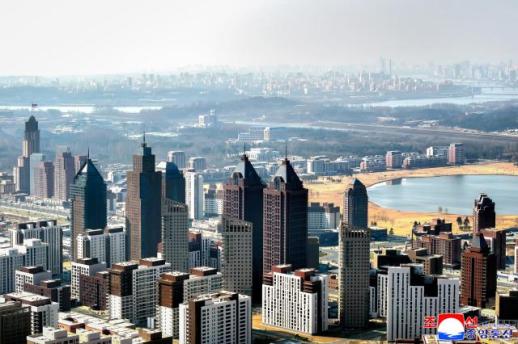 NK launches development plan to turn Pyongyang into a "world-class" city SEOUL, March 18 (AJP) - North Korea has launched a new phase of its ambitious housing construction and urban redevelopment plan to transform its capital of Pyongyang into a “world-class city,” state media reported. Top officials, including the newly-appointed ruling Workers' Party of Korea construction chief Kim Jong-gwan, held a launch ceremony and exhibition of equipment Tuesday to mark the start of the fifth phase of the Hwasong district development in the capital. The event showcased machinery, repair tools, and spare parts prepared by construction units, the state-run Korean Central News Agency reported. The Hwasong district has been a centerpiece of the state’s housing drive. From 2022 to 2025, some 40,000 new housing units were reportedly built in four development phases. Supreme Leader Kim Jong-un last month attended a groundbreaking ceremony for the fifth phase, signaling a shift in focus from meeting basic housing demand to reshaping the capital’s overall urban landscape. At the 9th party congress in February, Kim called for sustained efforts to transform Pyongyang into a city with the “dignity and character of a world-class metropolis.” Hwasong should become a model administrative district with fully integrated political, economic, and cultural functions over the next two years, he said. Residents have begun moving into 10,000 newly completed apartments, according to state media. The party told the congress it aims to build “hundreds of thousands” of housing units over the next five years, a substantial increase from the 50,000-unit target announced at the previous congress in 2021. That earlier goal was allegedly surpassed, with state media reporting that about 60,000 homes were completed in Pyongyang. The latest plans also include rural construction, with the party saying more than 110,000 farm households have already been provided with new housing. The emphasis on construction has also been reflected in personnel changes. Kim Jong-gwan, a former vice premier responsible for construction, was elevated to his current post as the top party construction official during the congress. In addition, a new sector-specific consultation body for construction was established. 2026-03-18 17:51:18
 -
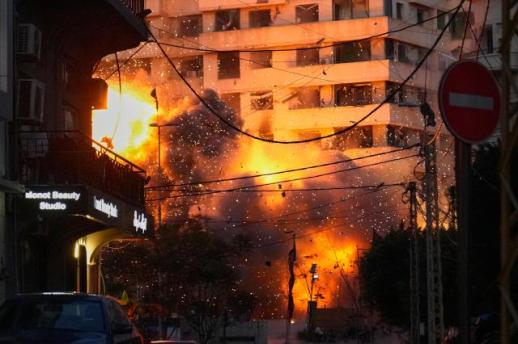 GULF CRISIS: Iran war gives Kim Jong-un more reason to cling to nuclear arms SEOUL, March 18 (AJP) - The war in Iran — marked by the killing of top leaders and relentless airstrikes since the United States launched Operation Epic Fury on Feb. 28 — will be watched closely by one man in particular: North Korean leader Kim Jong-un. Among the states once grouped by President George W. Bush in the “axis of evil,” only one regime remains intact: Pyongyang. Saddam Hussein, who ruled Iraq for nearly a quarter century, was toppled in the 2003 U.S. invasion and executed in 2006. Iran's Supreme Leader Ali Khamenei is said to be killed during the opening strikes late February. Pundits generally agree that North Korea’s case is fundamentally different. According to Kousuke Saitou of Sophia University, U.S. President Donald Trump has shown a willingness to use force, but not without limits. “In my point of view, President Trump tends to resort to the use of force in disregard of international law, based on U.S. interests or his own assumptions,” Saitou said. The Korean Peninsula presents a very different strategic calculus from the Gulf. “The U.S. has little direct interest in forcibly changing the North Korean regime now,” he argued. Trump himself has repeatedly boasted of his “good relationship” with Kim Jong-un, and any military action against North Korea would carry immediate and potentially devastating consequences, including a severe deterioration in ties with China. That, Saitou said, would be disadvantageous to the Trump administration. If Pyongyang does not face an imminent military threat to regime survival, it has little reason to alter its current posture. “If Kim Jong Un’s ultimate goal is to stabilize his regime,” Saitou said, “he would not take actions that undermine the current stability.” Yet the longer-term implications may prove more consequential. A prolonged U.S. military and diplomatic fixation on the Middle East could create what Saitou described as greater “diplomatic freehand” for countries such as North Korea. “If U.S. diplomatic attention and military resources continue to be concentrated in the Middle East,” he said, “countries of concern in other regions … may gain greater diplomatic freehand because the U.S. does not wish to carry out military operations across multiple theaters.” That shift could ripple across East Asia. If Washington’s focus drifts, allies such as South Korea and Japan may feel compelled to strengthen their own defense capabilities — moves that could in turn provoke North Korea and China, accelerating a regional arms race. More importantly for Pyongyang, the strike on Iran over its nuclear and missile programs is likely to be read not as a warning, but as validation. “The decapitation strikes against Iranian leadership … confirm the rationality of Kim Jong Un’s strategy of ‘nuclear insurance,’” observed Vasilis Trigkas of Tsinghua University. From Iraq to Libya to Iran, the lesson North Korea may draw is blunt: regimes that lack a credible nuclear deterrent remain exposed. That, Trigkas argued, further erodes the logic of the Nuclear Non-Proliferation Treaty. “The U.S. has targeted the leadership of NPT non-nuclear states,” he said, “further undermining the very bargain that once contained the spread of nuclear weapons.” By that reasoning, Pyongyang is more likely to double down on its nuclear doctrine, deepen its strategic alignment with Russia and seek geopolitical or economic advantage from a distracted international order. Beyond North Korea, the Iran war also raises broader questions about U.S. strategic credibility. Trigkas argued that Washington’s approach — military intervention abroad combined with growing pressure on allies — has weakened its standing. “Trump’s behavior has undermined U.S. strategic credibility,” he said, pointing to strains with both European and Asian allies and the administration’s heavy Middle East focus at the expense of the Indo-Pacific. For South Korea, that presents both danger and opportunity. A reduced U.S. strategic bandwidth could weaken deterrence on the peninsula, but it may also create room for a more flexible diplomatic strategy. “South Korea now has a significant opportunity to hedge by reaching out to both Beijing and Moscow,” Trigkas argued, suggesting that pragmatic engagement with China and renewed energy cooperation with Russia could serve Seoul’s interests. At the same time, more difficult questions will come into sharper focus — including the future of missile defense systems such as THAAD and the longer-term structure of the U.S.-South Korea alliance. In the end, the lesson Kim Jong-un is likely to take from Iran is not that nuclear ambition invites danger. It is that nuclear arms remain the only reliable insurance against regime change, and that may be the most damaging strategic aftershock of this war. 2026-03-18 16:06:56
 -
 GULF CRISIS: Trump's call to jointly police Hormuz puts allies in a dilemma SEOUL, March 16 (AJP) - The United States has initiated the war against Iran, but the fallout from Tehran’s weaponization of the Strait of Hormuz — a maritime route vital to Asia-Pacific economies that together account for roughly 70 percent of global output — is now being shifted onto those countries, according to the logic advanced by President Donald Trump. Posting on his social media platform Truth Social, Trump called on South Korea, the United Kingdom, France, Japan and China — along with other countries dependent on the strait’s oil flows — to dispatch warships to help restore shipping traffic through the narrow waterway. The appeal came after Iran effectively closed the Strait of Hormuz in retaliation for U.S. and Israeli airstrikes, triggering what analysts describe as one of the largest disruptions to global oil supplies in modern history. The request underscores both the strategic importance of the strait and the growing costs facing Washington as the war with Tehran stretches into its third week, with potentially severe consequences for the global and U.S. economies. Roughly one-fifth of global oil shipments pass through the Strait of Hormuz, making its closure a major shock to energy markets and international trade. For Trump, the logic behind the request appears straightforward: the countries he named include some of the world’s largest naval powers and major beneficiaries of open sea lanes. “The countries named are the leading naval powers after the United States and among the major beneficiaries of open sea lanes,” said Harvey M. Sapolsky of the Massachusetts Institute of Technology. “Expecting the United States to be the sole protector of the international economy is unrealistic.” Some analysts say Trump’s reasoning is consistent with his business-minded approach to geopolitical and diplomatic issues, emphasizing burden-sharing and clear responsibilities. The countries Trump singled out fall into two broad categories. Britain and France are longstanding NATO allies with significant naval capabilities, while South Korea and Japan host major U.S. military bases and depend heavily on Middle Eastern energy imports. “If there’s no response or if it’s a negative response, I think it will be very bad for the future of NATO,” Trump told the Financial Times on Sunday. In the interview, Trump also suggested that China should send warships to help secure the Gulf and warned that he could postpone a summit scheduled for early April in Beijing with Chinese President Xi Jinping if China did not comply. According to See Seng Tan of the S. Rajaratnam School of International Studies at Nanyang Technological University, Washington may be acknowledging that the war will require broader international support. “The United States seems to have come to the realization that its conflict with Iran will require more assistance and resources than Washington anticipated,” Tan said. “These countries are all major users of the Strait of Hormuz, so keeping it open serves their interests as well.” Others interpret Trump’s move as a geopolitical test. Alan Chong Chia Siong, also of Nanyang Technological University, said the U.S. president may be probing what he sees as a group of “new strategic friends” outside traditional alliance structures. By inviting them to participate in a multinational naval patrol, Chong said, Washington could demonstrate that global coordination can function without relying on the United Nations — a possible explanation for Trump’s warning that “we will remember” which countries respond. Still, many analysts remain skeptical of the coalition idea, noting that it could draw third countries directly into the conflict and potentially widen the war. The Strait of Hormuz is now effectively an active war zone, where Iranian forces have threatened attacks on vessels linked to the United States or Israel. Deploying naval escorts could significantly increase the risk of confrontation. “Operating in these waters is extremely risky at present,” said Yang Zi of Nanyang Technological University. Any country sending warships, he said, must assume a high probability of clashes with Iranian forces. China in particular is unlikely to participate militarily, Yang added, since Beijing rarely follows Washington’s lead and may prefer negotiating directly with Tehran to secure its energy supplies. Legal experts also point to significant international law questions. Mara Revkin of Duke University School of Law noted that economic interests alone do not justify the use of military force under the UN Charter. Article 2(4) of the charter prohibits the use of force against other states except in cases of self-defense or when authorized by the UN Security Council. While escorting commercial ships through international waters is generally lawful, Revkin said the situation becomes far more complicated in an active war zone. “Any naval deployment by a third-party state — even if intended to protect commercial shipping — could risk being perceived by Iran as entering the conflict,” she said. Beyond the immediate question of naval escorts lies a broader uncertainty: how the war itself will unfold. Many analysts believe the conflict could become prolonged. Iran, they argue, is likely to continue exerting pressure on the Strait of Hormuz as leverage in future negotiations. Barry R. Posen of MIT predicts that the war could ultimately end with both sides claiming victory, even if Iran’s military infrastructure suffers heavy damage. Washington may also have underestimated Iran’s resilience, said Paul Michael Hedges of Nanyang Technological University, noting that Tehran has remained defiant even after the killing of its longtime leader. If maritime disruptions continue, the United States could face mounting pressure to deploy ground forces to secure key areas around the Persian Gulf — an escalation that risks turning the conflict into a prolonged and politically costly war. 2026-03-16 17:05:29
 -
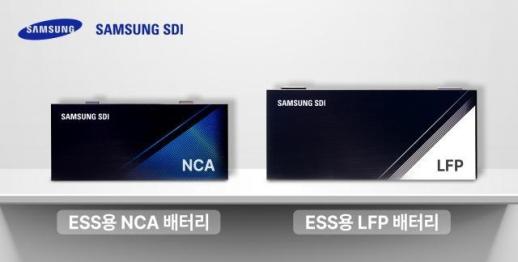 Samsung SDI wins $1 bln U.S. ESS battery deal to offset EV setbacks SEOUL, March 16 (AJP) - Samsung SDI said Monday it has secured another large battery supply contract in the United States, underscoring the South Korean battery maker’s accelerating push into the rapidly expanding global energy storage system (ESS) market to offset the slowing demand for EV batteries in North America. The company said its Michigan-based subsidiary, Samsung SDI America, has signed a deal worth about 1.5 trillion won ($1 billion) to supply ESS batteries to a major U.S. energy company. Deliveries will be made in phases through 2029. The batteries will be produced at StarPlus Energy, Samsung SDI’s joint venture with automaker Stellantis, located in the U.S. state of Indiana. Under the agreement, Samsung SDI will initially supply nickel–cobalt–aluminum (NCA) batteries before expanding deliveries to lithium iron phosphate (LFP) batteries, highlighting the company’s ability to compete across both premium ternary batteries and the fast-growing LFP segment. The deal marks another step in Samsung SDI’s effort to strengthen its presence in the U.S. ESS market, where demand is surging as renewable energy deployment expands and electricity consumption rises sharply with the growth of artificial intelligence and data centers. The contract follows another major agreement signed late last year, when Samsung SDI secured more than 2 trillion won worth of LFP ESS battery supply with a U.S. energy infrastructure developer. Industry observers say the string of large contracts signals growing recognition of Samsung SDI’s prismatic battery technology, branded PrismStack, which is widely regarded for its durability, fire safety and reliability compared with pouch-type batteries. Samsung SDI is currently the only non-Chinese supplier of prismatic ESS batteries in North America, giving it a strategic advantage as U.S. utilities increasingly seek diversified battery supply chains. The company said it is also in discussions with multiple global customers for additional battery supply contracts, with several deals expected to materialize in the near future. “The latest series of orders confirms Samsung SDI’s technological competitiveness and credibility in the global ESS market,” a company official said. “We will continue to meet the diverse performance needs of global customers.” Samsung SDI and other Korean battery makers have been accelerating their pivot toward energy storage systems (ESS) by repurposing EV operations in North America for grid-scale storage. The shift comes as the EV market — once the industry’s main growth engine — has entered a period of slower expansion amid high borrowing costs, softer consumer demand and evolving subsidy policies in major markets such as the United States and Europe. Samsung SDI swung to an operating loss in 2025, reflecting the prolonged slowdown in EV demand and changing policy conditions in Western markets. The company reported an operating loss of 1.72 trillion won for the year, reversing an operating profit of 363.3 billion won in 2024, according to its earnings report released last month. Revenue fell 20 percent to 13.27 trillion won from 16.6 trillion won a year earlier. 2026-03-16 09:53:06
 -
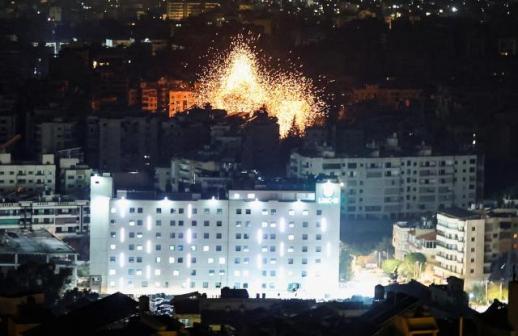 Iran war offers lesson and warning for Asia's U.S. allies SEOUL, March 13 (AJP) - As the war in Iran stretches longer and wider than expected, security analysts are increasingly applying its battlefield dynamics to other flashpoints — raising concerns among Asian countries that host U.S. military bases. For some strategists, Iran’s retaliatory missile and drone strikes on American facilities across the Middle East offer a preview of how a future conflict in the Taiwan Strait could unfold — and how Washington’s Asian allies might be drawn into it. The concern was highlighted in the South China Morning Post, which noted that Iran’s attacks on U.S. bases could serve as a template for potential escalation in Asia. In a Taiwan contingency, Beijing could similarly target American military assets hosted by U.S. allies, including Japan, the Philippines and South Korea. “Analysts said the retaliatory strikes could serve as a template for a potential conflict in the Taiwan Strait, as Beijing might consider actions against U.S. allies hosting American military assets such as Japan, the Philippines and South Korea,” the newspaper reported. Although the Trump administration has not released detailed damage assessments from the Iranian attacks, international media reports indicate that at least 11 U.S. bases in the Middle East — more than half of Washington’s facilities in the region — sustained damage. The scale and precision of the strikes have prompted renewed debate over the vulnerability of American military infrastructure abroad. The implications extend far beyond the Gulf. A 2024 report by the Congressional Research Service notes that the United States maintains 24 permanent military bases in the Indo-Pacific and has access to another 20 facilities. Key installations include Kadena Air Base in Okinawa and Camp Humphreys in Pyeongtaek, South Korea. The Philippines has also expanded American access to nine military sites since 2023, including three located on Luzon, close to Taiwan. Lyle Goldstein, a senior research fellow at Brown University’s Watson Institute for International and Public Affairs, said Iran’s strikes underscore how U.S. bases could become early targets in a Taiwan crisis. “These moves by Iran against nearby U.S. military bases in the Persian Gulf region do absolutely highlight the possibility that in a Taiwan scenario China would likely target U.S. bases throughout the Asia-Pacific region,” he said. For years, military planners have warned that U.S. forces stationed in Japan, South Korea and the Philippines could be vulnerable to large-scale missile strikes from China in the early stages of a regional conflict. The Iranian attacks, some analysts argue, show how even a middle power can challenge American military infrastructure through precision strikes. Yet the debate unfolding in Seoul and Tokyo is not solely about military vulnerability. It is also about the risks inherent in alliance politics — particularly the fear of becoming entangled in a conflict they did not initiate. Spencer D. Bakich, a professor at the Virginia Military Institute, notes that the concept of “entrapment” has long shaped U.S. alliance strategy in Asia. During the early Cold War, Washington worried that strongly anti-communist leaders such as South Korea’s Syngman Rhee and Taiwan’s Chiang Kai-shek might provoke confrontations with their adversaries and pressure the United States to intervene. To manage that risk, the United States constructed a network of bilateral alliances designed to maximize American leverage over its partners. Today, however, Bakich argues the concern may be reversing direction. Many policymakers in South Korea and Japan fear that conflicts elsewhere — including the war in the Middle East — could pull them into wars they would prefer to avoid. “I assess that it is highly unlikely that either South Korea or Japan will find themselves directly committed to this war,” Bakich said. Both countries, he noted, face immediate security challenges closer to home — North Korea in South Korea’s case and China in Japan’s. As a result, a division of labor has gradually taken shape within the alliance: the United States focuses on security challenges in the Middle East, while its Asian allies concentrate on maintaining stability in the Indo-Pacific. Practical constraints reinforce this arrangement. South Korea and Japan possess powerful militaries designed to address regional threats, but they have limited capacity to contribute forces to conflicts beyond their immediate neighborhood. That reality, Bakich argues, provides both governments with leverage in negotiations with Washington. Instead of direct military participation, their most likely contribution to a U.S.-led war effort against Iran would be financial support — similar to the role both countries played during the 1990–1991 Gulf War. Not all analysts, however, view the situation solely through the lens of alliance entrapment. Jennifer Murtazashvili, a professor at the University of Pittsburgh who is currently conducting research in Tel Aviv, argues that focusing exclusively on the risk of being dragged into war may obscure a larger strategic question: what happens if Iran emerges from the conflict stronger. “The entrapment problem in alliance politics is well established,” she said. “But South Korean and Japanese policymakers should resist framing their calculus purely around alliance obligation alone.” Iran’s nuclear ambitions, ballistic missile program and expanding partnerships with China and North Korea could have direct implications for Northeast Asia’s security architecture. An Iran emboldened by the conflict, she argues, would not simply be an American problem. In that sense, engagement by U.S. allies may serve their own strategic interests — but the form of participation matters. Murtazashvili suggests that Seoul and Tokyo should seek clarity about war aims before offering support. Entrapment risks are highest, she argues, when allies join open-ended military campaigns with vague objectives. At the same time, allies possess a range of options short of direct combat participation. Logistical assistance, intelligence sharing and financial support can demonstrate alliance solidarity without exposing them to the full risks of military escalation. Domestic politics will also shape the calculus. Leaders in both countries must balance alliance expectations with public opinion, which historically has been cautious about overseas military operations. The result, analysts say, is a delicate strategic calculation. For America’s Asian allies, the war with Iran is both distant and immediate — geographically far away, yet rich with lessons about the vulnerabilities of U.S. military power and the enduring complexities of alliance politics. In that sense, the conflict may prove to be more than a Middle Eastern war. It could also serve as a rehearsal for the geopolitical dilemmas Washington and its allies may one day face in the Indo-Pacific. 2026-03-13 16:22:21
 -
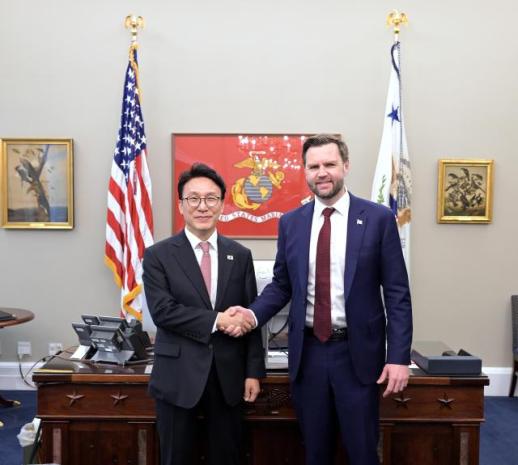 South Korea PM meets US vice amid war and tariff tensions SEOUL, March 13 (AJP) - South Korean Prime Minister Kim Min-seok met U.S. Vice President JD Vance at the White House on Wednesday, using the talks to underscore Seoul’s passage of a new law to support Korean investment in the United States and to press for faster implementation of broader bilateral security and industrial agreements. The meeting came as the alliance faces renewed strain from a U.S. tariff offensive and deepening energy insecurity caused by the Iran war and disruptions around the Strait of Hormuz. According to the prime minister’s office, Kim told Vance that South Korea’s National Assembly had passed special legislation designed to provide the legal framework for Seoul’s investment commitments in the United States, calling it proof of Korea’s determination to follow through on bilateral agreements. Reuters and AP reported that the new law is tied to Seoul’s pledged $350 billion investment package in strategic U.S. industries and shipbuilding, part of a broader deal reached with Washington last year. Kim said he hoped the legislation would help Korean companies contribute to the revival of U.S. manufacturing and job creation while opening the way for broader advances in bilateral ties. He also said the law would add momentum to implementing the joint fact sheet released after the recent summit between the two countries’ leaders. In the security sector, Kim called for swift execution of pending agreements involving nuclear-powered submarines, nuclear energy and shipbuilding cooperation. Korean media reports said the package also touches on Seoul’s long-running push to expand its nuclear and maritime strategic options as the allies deepen industrial-security coordination. Vance welcomed the establishment of the legal framework needed to carry out the investment deal and said the two sides should stay in close contact on implementation, according to the prime minister’s office. Kim also highlighted cooperation in critical minerals and briefed Vance on Seoul’s recent decision regarding a U.S. request linked to the export of mapping data by American companies. Vance expressed appreciation and said the allies should continue discussions on other non-tariff barriers as well, the office said. Kim additionally noted that issues Vance had raised in January — including matters involving Coupang and religious concerns — were now being managed in a stable way. Vance, in turn, thanked the Korean government for its efforts to remain in close communication while respecting South Korea’s legal framework. The meeting was the first between Kim and Vance in about six weeks since their previous talks on Jan. 23, and the prime minister’s office said it helped deepen personal trust and improve communication on pending alliance issues. The talks came at a delicate moment for Seoul. Just two days earlier, the Office of the U.S. Trade Representative launched a new Section 301 investigation into “structural excess capacity and production in manufacturing sectors,” targeting South Korea and 15 other economies as the Trump administration seeks to rebuild its tariff arsenal after a court setback. At the same time, the war involving Iran has amplified South Korea’s vulnerability to external energy shocks. The conflict has sharply disrupted flows through the Strait of Hormuz, helping send oil prices surging and adding pressure on Asian import-dependent economies such as South Korea, which relies heavily on Middle Eastern crude and petrochemical feedstocks. 2026-03-13 10:47:59
 -
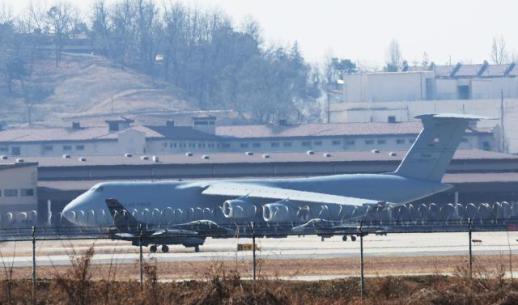 Iran war may feel closer at home for South Korea and Japan if conflict stretches SEOUL, March 12 (AJP) - The war with Iran may be unfolding thousands of kilometers away, but for U.S. allies in Northeast Asia it could begin to feel much closer if the conflict drags on. Questions are emerging in Seoul and Tokyo over whether Washington could eventually ask its key regional allies — South Korea and Japan — to support operations tied to the conflict, particularly given their reliance on energy shipments passing through the Strait of Hormuz and the presence of major U.S. military assets in both countries. Japan’s Yomiuri Shimbun reported Wednesday that the United States could press Tokyo to provide tangible support when U.S. President Donald Trump meets Japanese Prime Minister Sanae Takaichi later this month. Possible requests could include dispatching Japan’s Self-Defense Forces to escort oil tankers through the Strait of Hormuz or assisting with mine-clearing operations. The discussion reflects a broader concern in the region that a distant war could gradually draw U.S. allies into supporting roles even if they initially seek to remain on the sidelines. Signs of the conflict’s ripple effects are already visible. Parts of the U.S. military posture in East Asia appear to be shifting as Washington reallocates resources to the Middle East. U.S. media outlets have reported that the Pentagon is moving elements of a Terminal High Altitude Area Defense (THAAD) system from South Korea to the Middle East. Some Patriot missile batteries stationed with U.S. Forces Korea may also be redeployed. South Korean President Lee Jae Myung acknowledged that Seoul had voiced concerns about the removal of certain air-defense systems, but emphasized that the move would not significantly weaken the country’s deterrence posture against North Korea. “If asked whether that would seriously hinder our deterrence strategy against North Korea, I can say with certainty that it would not,” Lee said during a cabinet meeting Tuesday. Still, the redeployment has sparked debate about the durability of the U.S. security commitment to East Asia at a time when Washington is engaged in a major conflict elsewhere. Tokyo faces a particularly delicate dilemma. Japan hosts roughly 50,000 U.S. troops and provides critical bases for American operations across the Indo-Pacific. At the same time, the Japanese government has been cautious about becoming entangled in the Iran conflict. Under Japan’s postwar constitutional framework, military participation abroad is tightly constrained. Any direct support for U.S. combat operations would likely require legal justification under Japan’s doctrine of collective self-defense — allowing force to protect an ally if Japan’s own survival is at stake. Government spokesperson Minoru Kihara recently said the current situation does not constitute an “existential crisis” that would trigger collective self-defense. Yet pressure could grow if the war disrupts global energy routes. The Strait of Hormuz — through which a large share of Japan’s oil imports passes — remains one of the world’s most vulnerable maritime chokepoints. If Iran threatens shipping there, Japan could face calls to contribute maritime escorts or logistical support to ensure safe passage for energy supplies. Despite these concerns, many analysts believe direct military involvement by U.S. allies remains unlikely — for now. Yasuyuki Matsunaga, a professor at Tokyo University of Foreign Studies, said the strategic logic of the alliance system makes such participation improbable. “The possibility of South Korea and Japan becoming involved in the Iran war is rather low,” Matsunaga told AJP. “The U.S. does not need our military participation in the active war theater in the Middle East, and more importantly it does not want to create vulnerabilities in East Asia that could open a second war front.” That logic reflects Washington’s broader strategic dilemma: while concentrating forces against Iran, the United States must also deter potential adversaries in Asia, including North Korea and China. Still, even limited logistical or maritime support could mark a shift in the role U.S. allies play in conflicts beyond their immediate region. South Korea has long faced concerns about “entrapment” — the risk that alliance commitments could draw it into distant conflicts initiated by Washington. Brandon Ives, a professor at Seoul National University, said the likelihood of such entrapment depends largely on how the war evolves. “If the conflict becomes a prolonged, low-intensity struggle, Iran may rely more on asymmetric tactics and attacks against actors perceived to support the U.S. or Israel,” he said. “But overall, Iran would likely avoid directly targeting third-party countries.” For both Tokyo and Seoul, the Iran war is quickly becoming a test of alliance politics in an era of globalized security risks. Neither government appears eager to play an active military role in the conflict. Yet as the war expands and U.S. forces reposition across the globe, the political pressure on allies to contribute — even indirectly — may continue to grow. For now, both governments hope the conflict remains distant enough to avoid a difficult choice. 2026-03-12 17:23:00
 -
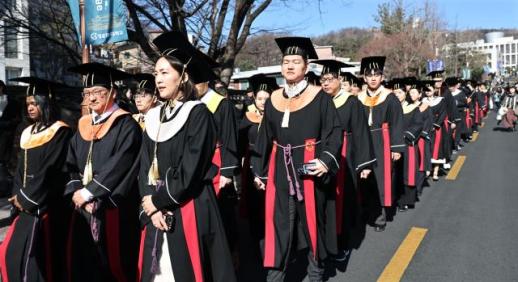 AI reshapes entry-level jobs as Korea nears '20,000 Ph.D. era' SEOUL, March 11 (AJP) - As artificial intelligence reshapes white-collar work, more South Koreans are staying in school longer — and earning Ph.D.s in record numbers. Universities awarded 19,831 doctoral degrees in 2025, according to data released Tuesday by the Korean Educational Development Institute, the highest since records began in 1999 and a 51.6 percent increase over the past decade. The milestone places the country on the brink of what policymakers call the “20,000 Ph.D. era.” The surge reflects a rapidly changing labor market in which AI is increasingly automating entry-level analytical and research tasks — from finance and legal work to data analysis — pushing many young professionals to pursue deeper specialization to remain competitive. Yet the rise also highlights a growing paradox: while more South Koreans are earning the highest academic credential available, many struggle to find jobs that match their qualifications. Among 7,005 doctoral graduates employed last year, 10.4 percent reported earning less than 20 million won annually, roughly $15,000 — up from 6.3 percent in 2011. When the national statistics series began in 1999, only 5,586 people earned doctoral degrees nationwide, and a Ph.D. was widely seen as a rare credential reserved mainly for future academics. The numbers climbed steadily as universities expanded graduate programs and competition in the labor market intensified. By 2010 the annual number of Ph.D. graduates surpassed 10,000, marking the rapid expansion of doctoral education. With nearly 20,000 new doctorates last year, the figure has almost quadrupled over a quarter century. The latest data also highlight a major shift in gender balance. In 2025, 8,629 women received doctoral degrees, the first time the number of female Ph.D. graduates exceeded 8,000 in a single year. Women accounted for 43.5 percent of all doctoral recipients, the highest proportion since records began. The change is striking compared with the late 1990s. In 1999, only 1,144 women earned Ph.D.s, representing 20.5 percent of the total. The motivations behind doctoral study have also evolved. In a survey of 10,498 recent doctoral graduates conducted by the Korea Research Institute for Vocational Education and Training, the most common reason for pursuing a Ph.D. was to improve professional expertise, cited by 37.5 percent of respondents. The share slightly exceeded the 35.5 percent who said they aimed to become professors or researchers. That represents a shift from earlier years. When the survey began in 2011, 43.2 percent cited academic careers as their primary goal. Analysts say the shift reflects growing uncertainty about academic career paths as well as broader changes in the labor market. Even as doctoral graduates increase, evidence suggests the labor market has struggled to absorb them. A report by the vocational education institute found that 31 percent of South Korean workers are overeducated for their jobs, significantly higher than the 23 percent average among countries in the Organization for Economic Co-operation and Development. At the same time, 49 percent of college graduates work in jobs unrelated to their majors, compared with the OECD average of 38 percent. “The high level of overeducation indicates a strong inflow of highly educated workers into relatively simple positions,” the report said. Researcher Lee Soo-hyun, who led the study, warned that such mismatches could have long-term economic costs. “A double mismatch — being both overeducated and working outside one’s field — can prevent individuals from fully utilizing their capabilities,” she said. Economists say the surge in doctoral degrees ultimately reflects structural pressures in South Korea’s labor market. “The high level of overeducation in Korea is largely due to insufficient demand for high-quality jobs,” said Kwon Sang-uk, a professor at Kyungpook National University. “When there are far more job seekers than desirable positions, workers naturally try to differentiate themselves by accumulating more qualifications.” He contrasted the situation with the United States, where academic credentials more closely align with labor market segmentation. “In Korea, a university diploma no longer guarantees employment,” Kwon said. “That pushes people to build increasingly stronger credentials.” External factors may also be contributing to the rise in domestic Ph.D. programs. A weaker Korean won has made studying abroad more expensive, while stricter immigration policies in the United States have discouraged some Korean students from pursuing doctoral programs overseas. Those shifts may be pushing more students to remain in Korea for graduate education or for some to stay competitive against AI competition. “The Ph.D. represents deep expertise in a specific field,” Kwon said. “While artificial intelligence makes general knowledge widely accessible, understanding complex systems and applying advanced research methods still requires intensive training.” Demand for such expertise is likely to grow in sectors such as robotics, advanced manufacturing and cutting-edge technologies, he added — even as competition intensifies in traditional academic careers. 2026-03-11 17:46:19
 -
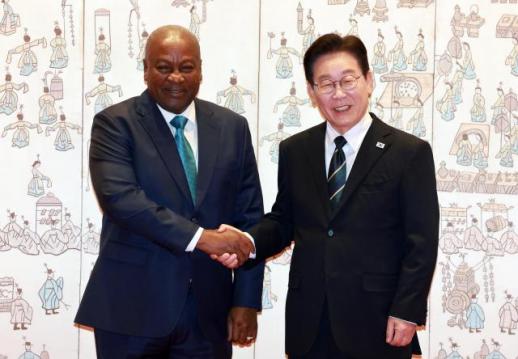 South Korea, Ghana agree to cooperate on climate change, maritime security SEOUL, March 11 (AJP) - South Korea and Ghana have agreed to strengthen cooperation on climate change, maritime security and digital development, Cheong Wa Dae said on Wednesday. President Lee Jae Myung met with Ghanaian President John Dramani Mahama in Seoul, and the two leaders signed a series of agreements including three memorandums of understanding (MOUs) on climate cooperation, maritime safety and security, and collaboration in technology, digital development, and innovation, following their summit. Among the key agreements, the two countries pledged to work together on climate change initiatives and related technology development, and plan to set up a joint committee to coordinate their efforts. This includes the use of Article 6 of the Paris climate accord, which allows countries to trade internationally recognized carbon reduction credits through voluntary cooperation. South Korean officials said the mechanism could help both countries meet their nationally determined contributions for greenhouse gas reductions. South Korea's Coast Guard and Ghana's Navy also agreed to cooperate on maritime safety and security through expanded personnel exchanges including educational training programs and seminars, as well as information sharing on maritime crimes such as piracy, arms trafficking, and drug smuggling. The two sides also agreed to collaborate on search and rescue operations for ships, aircraft, and people in distress at sea. Officials said the cooperation could help improve safety in the Gulf of Guinea region while strengthening protection for South Korean citizens and vessels operating in the area. The two leaders also agreed to deepen collaboration in technology, digital development and innovation with plans to support vocational training for young people, expand education in artificial intelligence (AI) and STEM fields — science, technology, engineering and mathematics — and improve digital accessibility. Mahama's visit marks the first visit by an African head of state since Lee took office in June last year. It is also the first visit by a Ghanaian president to South Korea in about two years, following the Korea-Africa Summit in 2024. Ahead of the visit, Cheong Wa Dae said it had placed specially produced "Ghana chocolate" as a gesture of warm welcome. The chocolate was made using cocoa beans sourced primarily from Ghana. Presidential spokesperson Kang Yoo-jung said the packaging featured both countries' national flags and Mahama's name. Kang recalled that Lee once drew encouragement from a bar of the same chocolate brand given to him by a child during a hunger strike in September 2023, when he was serving as leader of the opposition party. 2026-03-11 17:28:25
 -
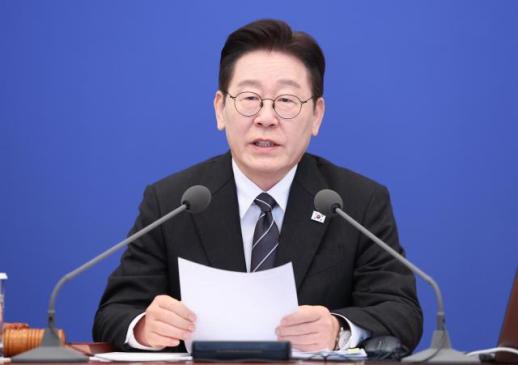 Seoul may revive decades-old fuel price cap, but experts urge caution SEOUL, March 10 (AJP) - South Korea is considering reviving a rarely used cap on retail gasoline prices as policymakers brace for a potential third wave of global oil shocks if the Middle East conflict drags on, though economists warn the government should move cautiously given the risks of distorting market prices. President Lee Jae Myung on Tuesday instructed his cabinet to explore emergency measures to curb surging fuel costs, urging officials to move beyond “normal procedures and manuals” during crisis conditions and quickly prepare a workable price ceiling system. Finance Minister Koo Yun-cheol said the government aims to introduce a framework for a cap within the week. The authority for such a measure comes from the Petroleum and Petroleum Substitute Fuel Business Act, introduced during the oil shocks of the 1970s. The law allows the finance minister to impose price ceilings or floors on petroleum products if prices fluctuate severely and threaten economic stability or daily life. The provision, however, has not been used for nearly three decades since South Korea liberalized its fuel pricing system to enable market forces to determine retail prices. The debate over reviving the mechanism comes as oil prices swing sharply amid the Middle East conflict. Domestic gasoline prices briefly rose above 2,000 won per liter over the weekend, reflecting the volatility in global crude markets. Economists warn against rushing intervention Some economists say introducing a price cap too early could create unintended consequences. Kim Jin-young, a professor of economics at Korea University, argued it is premature to adopt strong interventionist policies while the trajectory of the conflict remains uncertain. “I believe there is a fairly high possibility that the war in Iran will not end soon,” Kim said. “If the conflict becomes prolonged, oil prices could rise even further. But since the war has only just begun, we should focus on conserving supply and managing demand rather than immediately introducing this system.” Kim warned that price ceilings often impose hidden costs. “A price ceiling introduces a different kind of price — not a monetary one,” he said. “During the oil crisis in the United States, government price controls led to long lines at gas stations. In effect, the system imposes a higher cost on those who value their time.” Others say a cap for temporary purpose could help prevent excessive price spikes and protect consumers during periods of extreme volatility. Im Tobin, a professor at Seoul National University’s Graduate School of Public Administration, said the policy could serve as a corrective tool if market prices overshoot. “When crude oil has already been imported and stored, raising retail prices immediately simply because war breaks out allows oil companies to earn excessive profits,” Im said. “In that sense, the policy can help correct market distortions.” He stressed that any price cap should be strictly temporary. “The key is to shorten the duration of this system,” he said. Chang Yenjae, an economics professor at Soongsil University, also said the measure could help cushion the impact of surging energy costs. “During periods of rapidly rising energy prices, a price ceiling can help protect the real purchasing power of low- and middle-income households and stabilize transportation costs,” Chang said. However, Chang emphasized that price regulation alone cannot address structural energy challenges. “It is essential to clearly define the temporary and conditional nature of the price ceiling,” he said. “Relying solely on price controls is not a fundamental solution to energy problems.” Instead, he suggested improving fuel distribution systems and expanding fiscal support for vulnerable households as potentially more effective tools to manage the inflationary ripple effects of higher energy prices. 2026-03-10 17:50:44