
Journalist
Kim Dong Young
davekim0807@ajupress.com
-
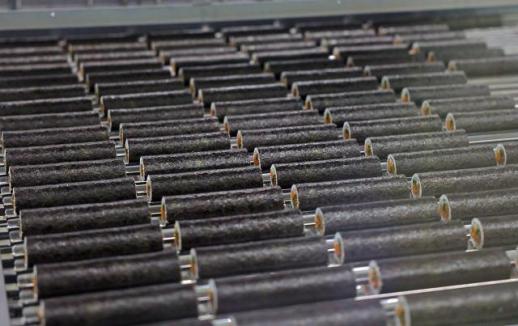 CJ CheilJedang builds food industry's first automated frozen kimbap line to chase global demand SEOUL, March 25 (AJP) - CJ CheilJedang has constructed the food industry's first automated frozen gimbap production facility at its CJ Blossom Campus in Jincheon, North Chungcheong Province, as the South Korean food giant moves to scale up its global kimbap business. The fully automated line handles every stage of production — from filling and rolling to cutting and tray packaging — and took about 18 months to develop, according to CJ on Wednesday. The company said the system reduces weight variation between products, raises output speed, and meets stringent international hygiene standards through a redesigned process layout. Quality improvements were also built into the line. CJ CheilJedang applied its frozen-rice cooking expertise to optimize the texture and sheen of each product's rice, while ingredient-specific heat treatment settings were calibrated to preserve the color and bite of individual fillings. Flash-freezing technology ensures quality holds through distribution and storage. The investment backs the company's Bibigo frozen gimbap line, which launched in 2023 as part of its broader K-food export push. The products have logged cumulative global sales of over 8 million units, with annual revenue growing at about 130 percent on average. CJ CheilJedang said it plans to use the Jincheon facility as a springboard for further export growth, with a focus on the U.S., Europe, and Australia. The company also intends to expand its U.S. grocery store presence in the second half of this year. "This goes beyond simply securing capacity — it is a strategic investment to accelerate the expansion of K-food's global footprint," a spokesperson said, adding that the firm aims to build Bibigo gimbap into a defining brand of Korean cuisine worldwide. 2026-03-25 09:15:48
 -
 Korea braces for fertilizer crunch on top of energy crisis in Gulf fallout SEOUL, March 24 (AJP) - As the Middle East war drags into its third week, the extensive closure of Strait of Hormuz is no longer just an energy story. Beneath the surface, it is beginning to choke the fertilizer supply chain that underpins global food production — a shift that could soon translate into higher food prices for import-dependent economies like South Korea. About 40 percent of South Korea's urea and ammonia — key inputs for nitrogen fertilizers — move through the chokepoint, according to the Korea International Trade Association. While domestic fertilizer output exceeds local demand, the industry remains structurally dependent on imported feedstocks. That dependency leaves Korea exposed to what analysts describe as a "second-round shock": not just higher energy prices, but a breakdown in the economics of fertilizer use worldwide. "The immediate impact will be on raw material costs for fertilizer exporters, but the bigger picture is that fertilizer prices, oil prices and exchange rates are all moving together, driving up overall agricultural production costs," said Chung Dae-hee, a researcher at the Korea Rural Economic Institute. "If imports of not just fertilizer but also pesticides and other raw materials remain disrupted, it will directly affect agricultural commodity prices." The Strait of Hormuz disruption is particularly acute because it hits the fertilizer chain at its source. Nitrogen fertilizers — which account for more than half of global usage — are produced from natural gas, much of it supplied or priced off exports from Gulf producers such as Qatar and Saudi Arabia. The same corridor also carries large volumes of ammonia and urea shipments to Asia. With shipping effectively halted since late February, at least 21 vessels carrying nearly 1 million metric tons of fertilizer remain stranded in the Gulf. Major suppliers including Qatar's Industries Qatar and Saudi Arabia's SABIC Agri-Nutrients have declared force majeure on deliveries to Asia. The result is a sharp spike in global fertilizer prices, with some contracts jumping from $750 to $1,000 per ton within weeks. More critically, the surge is already altering planting decisions. U.S. Department of Agriculture projections show corn acreage falling to around 94 million acres this year from nearly 99 million in 2025, as farmers shift to less fertilizer-intensive crops such as soybeans. Some growers are planning to cut fertilizer application by as much as 25 percent — a move that directly lowers yields. Brazil, which imports about 85 percent of its fertilizer, has warned of an "extremely high risk" to its 2026–2027 harvest. Any disruption there feeds straight into South Korea, which depends heavily on Brazilian and U.S. soybeans for cooking oil, animal feed and processed foods. The crisis extends well beyond fertilizer. South Korea's wheat self-sufficiency rate stands at around 2 percent, and the country ranks among the world's top five corn importers. Overall grain self-sufficiency — excluding rice — hovers near 20 percent, underscoring its exposure to global supply shocks. What makes the current disruption more severe than past crises is its reach across both energy and food systems. "Unlike the 2022 Ukraine shock, which primarily hit grain exports, this crisis is choking fertilizer inputs that every major food-producing country depends on," said Lorenzo Rosa, a principal investigator at the Carnegie Institution for Science, as cited by the World Economic Forum. That dynamic creates a lagged but more entrenched risk. While energy and shipping costs rise immediately, the impact on food supply emerges months later as lower fertilizer use translates into weaker harvests. At the same time, policy responses are compounding the pressure. China has expanded export controls on fertilizers, including nitrogen-potassium compounds and certain phosphate products, on top of existing urea restrictions. India's urea production has been disrupted by reduced LNG inflows from Qatar, while Bangladesh has shut down four of its five fertilizer plants, according to Hana Securities analyst Yoon Jae-sung. The United Nations World Food Programme warned on March 8 that rising fuel and food costs could push more households into food insecurity, calling the situation a rare "dual chokepoint" crisis spanning both the Red Sea and the Strait of Hormuz. "If agricultural production costs rise like this, margins that are already razor-thin will force producers to pass costs onto consumers," Chung said. "Food price increases are particularly sensitive for the public — it becomes a situation where nobody wins." Seoul is scrambling to contain the fallout. Agriculture Minister Song Mi-ryung convened an emergency review on March 20, pledging to mobilize all available resources while confirming that domestic fertilizer supplies remain stable through the first half of the year. "In the short term, what matters most is easing the cost burden on importers — freight support covering war-risk surcharges and rerouting premiums, relief on cargo detention fees, and reducing the self-pay ratio on exchange-rate hedging insurance," Chung said. "Over the medium to long term, diversifying import sources toward countries such as China and the United States will need to be explored." But diversification offers only partial relief in a market where supply is tightening globally at the same time. With its fertilizer industry reliant on imported inputs, limited strategic reserves, and a grain supply chain that depends overwhelmingly on overseas harvests, Korea is now confronting a deeper question emerging across global agriculture: not just how much food can be shipped — but whether farmers can afford to grow it at all. 2026-03-24 14:57:05
 -
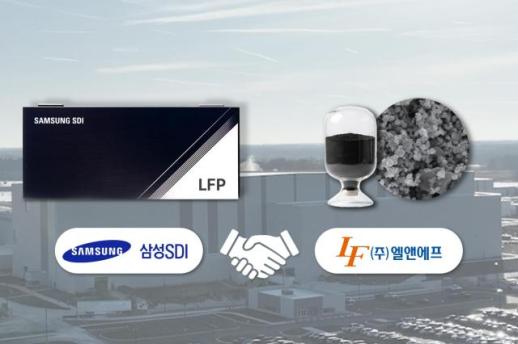 Samsung SDI signs mid-to-long-term LFP cathode supply deal with L&F SEOUL, March 24 (AJP) - Samsung SDI said it has signed a mid-to-long-term supply agreement with domestic battery materials maker L&F to secure lithium iron phosphate (LFP) cathode materials outside of China, as it accelerates its push into the North American energy storage system (ESS) market. Under the agreement announced Tuesday, Samsung SDI will procure about 1.6 trillion won ($1.06 billlion) worth of LFP cathode materials from L&F over three years beginning next year for use in ESS battery production. The deal also includes an option to extend supply for an additional three years. Samsung SDI plans to use the cathode materials at StarPlus Energy (SPE), its joint venture with Stellantis in Indiana, United States. SPE has been gradually converting some of its production lines from electric vehicles to ESS since the fourth quarter of last year, and is scheduled to begin mass-producing LFP batteries alongside its existing high-nickel NCA cells from the fourth quarter of this year. "We have proactively signed a supply agreement with a domestic partner in response to growing demand for China-free sourcing," a Samsung SDI spokesperson said. "Through this deal, we will further strengthen our competitiveness in the North American market and create more business opportunities." 2026-03-24 11:14:22
 -
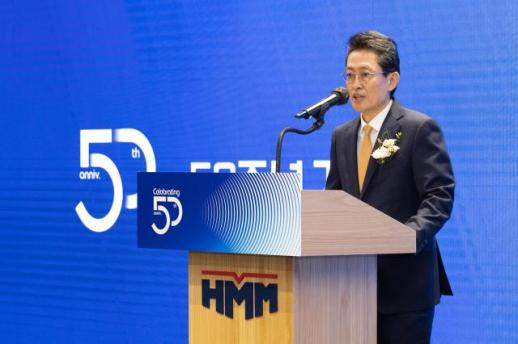 HMM marks 50th anniversary with new vision, growth strategy SEOUL, March 24 (AJP) - South Korean container shipping giant HMM unveiled a new corporate vision and growth strategy as it marked the eve of its 50th founding anniversary, signaling fresh ambitions to expand beyond its core shipping business. At a ceremony held at the company's headquarters Tuesday in Yeouido, Seoul, Chief Executive Choi Won-hyok and about 100 employees gathered to formally launch the vision statement "Move Beyond Maritime," which the company described as a commitment to becoming a world-class integrated shipping and logistics group. To anchor the new direction, HMM introduced a four-pillar strategy dubbed "W.A.V.E." — covering workforce development, AI-driven innovation, value-based growth, and environmental transformation. The framework reflects HMM's push to secure long-term competitiveness through talent, technology, and green transition. "Over the past half-century, we have weathered countless choices, challenges, hardships, and successes," Choi said. "All of our achievements stem from the dedicated efforts of those who have worked at sea and on the ground, at home and abroad." He added that HMM must now set sail on another voyage toward becoming a centennial company, and called on employees to work together toward joining the ranks of global top-tier carriers. Founded in 1976 with three tankers, HMM expanded into full containerization by 1986 and launched South Korea's first LNG carrier in 1994. The company posted a record operating profit of about 9.9 trillion won in 2022 after clawing back from a prolonged industry downturn in the 2010s, a revival driven in part by its 2020 delivery of the then-world's largest 24,000 TEU container vessels. HMM said it has since pressed ahead with decarbonization and digitalization efforts, becoming the first domestic carrier to secure methanol- and LNG-fueled container ships, while building a big-data analytics system through a centralized ship operations center. 2026-03-24 11:04:41
 -
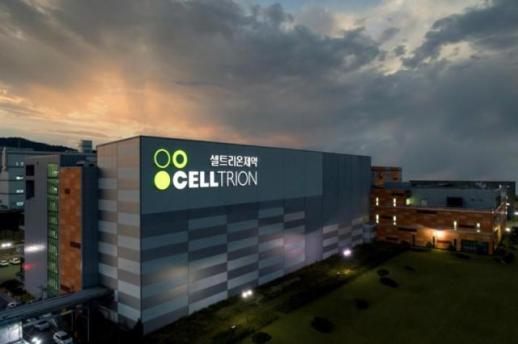 Celltrion to invest 1.2 trillion won in new Songdo plant, expanding drug substance capacity to 571,000 liters SEOUL, March 24 (AJP) - Celltrion announced plans to invest about 1.23 trillion won ($821 million) to build two new drug substance manufacturing plants at its Songdo campus in Incheon, as it moves to meet rising global demand for its biosimilar and novel drug products. The new Plants 4 and 5 will add 180,000 liters of drug substance (DS) production capacity to Celltrion's existing network, the company said Tuesday. Combined with a separately announced expansion at its Branchburg, New Jersey facility — where planned capacity has been increased to 75,000 liters from 66,000 liters — the company's total DS capacity is expected to reach 571,000 liters, up from the current 316,000 liters. The phased investment will run from this year through 2030 and encompasses facilities in South Korea and the United States. Celltrion said the new Songdo plants will be equipped with advanced automation and smart factory technology to enable both small-batch and large-scale production. "This investment decision will serve as an opportunity to significantly improve profitability, backed by overwhelming cost competitiveness and supply stability," a company spokesperson said, adding that Celltrion aims to become a global top-tier company spanning biosimilars, novel drugs and contract manufacturing. On the drug product (DP) side, Celltrion said a new DP facility at Songdo — already more than 70 percent complete — is on track to begin commercial production next year, with annual capacity of 6.5 million liquid vials. A second DP plant is planned for the Yesan industrial complex in South Chungcheong Province, with design work set to begin this year. Once all domestic and overseas expansions are complete, Celltrion said it expects to internalize 100 percent of its DS production needs and about 90 percent of global DP requirements, significantly reducing reliance on external contract manufacturers. The company added that it would actively consider securing additional production facilities if market conditions or pipeline progress warrant further expansion. 2026-03-24 10:03:12
 -
 Korean cracking facilities shuttering amid naphtha crunch, Seoul reacting to crisis SEOUL, March 23 (AJP) - South Korea's major naphtha cracking facilities at the Yeosu Industrial Complex are shuttering as a worsening naphtha supply crunch triggered by the blockade of the Strait of Hormuz forces the industry into emergency measures. LG Chem, the country's largest petrochemical firm, said Monday it would suspend operations at its No. 2 naphtha cracking center (NCC) plant in Yeosu, which has an annual ethylene production capacity of 800,000 tons. The company will keep its larger No. 1 plant, with a capacity of 1.2 million tons per year, running to maintain baseline output. Yeochun NCC, a joint venture between Hanwha Solutions and DL Chemical, also halted its olefin conversion unit (OCU) and some downstream operations. Lotte Chemical is advancing maintenance shutdowns and reallocating supplies to sustain core production. The moves reflect mounting strain as feedstock costs surge and supply routes remain disrupted. The move is aimed at conserving limited naphtha stocks by curtailing production of lower-demand petrochemical products while keeping core ethylene output intact. Yeochun NCC is struggling to maintain its operating rate at about 60 percent as a drop below 50 percent would force a complete shutdown due to safety risks. Naphtha prices have surged since the blockade of the Strait of Hormuz cut off imports from the United Arab Emirates, Qatar and Kuwait. Domestic naphtha prices reached $1,068 per ton as of March 18, roughly double the level at the start of the year. Global benchmark naphtha prices climbed to $873 per ton on Monday from about $480 at the beginning of the year, according to Trading Economics. The spike has effectively eliminated refining margins between naphtha and ethylene, meaning petrochemical producers are incurring losses for every ton of output. The shutdowns have raised concerns over downstream supply disruptions. Ethylene and propylene are essential feedstocks for plastics and vinyl, while butadiene is used in synthetic rubber for tires and paraxylene serves as a base material for polyester textiles. With the industry facing cascading risks, the government moved to shore up supplies and contain the fallout. Yang Ki-wook, the Ministry of Trade, Industry and Resources director-general of industrial resource security, said at a daily briefing of the government's Middle East response task force on Monday that "the pace of international oil price increases has been steeper than during the 2022 Russia-Ukraine war." He added that there would be no major disruption to domestic crude oil supply in April. Speaking at the National Press Club in Australia's capital, International Energy Agency chief Fatih Birol said Monday compared the current energy crisis to those of the 1970s and the impact of Russia's 2022 invasion of Ukraine. "This crisis as things stand is now two oil crises and one gas crash put all together," Birol said. The industry ministry plans to redirect domestically produced naphtha from exports to the domestic market by coordinating with refiners, which account for about 55 percent of the country's naphtha supply. Yang said emergency supply adjustment orders could delay potential plant shutdowns until late April or May, and that the government would seek supplementary budget allocations to support the effort. He added that the refiners were securing alternative volumes by rerouting shipments around the Strait of Hormuz. Of 24 million barrels to be sourced from the UAE, about 4 million barrels are set to arrive in late March and early April, with the remaining 18 million barrels expected to begin arriving from early to mid-April. The government is also considering imports of Russian crude oil, made possible by a temporary easing of U.S. sanctions, but remains cautious due to concerns over quality, financial settlement risks and potential secondary sanctions. 2026-03-23 15:08:30
 -
 Kakao Mobility launches recruitment drive for end-to-end autonomous driving engineers SEOUL, March 20 (AJP) - Kakao Mobility announced it has launched a recruitment drive targeting engineers in four autonomous driving specialties as the South Korean mobility platform accelerates its push to develop in-house end-to-end self-driving technology. The company said Friday it has created a dedicated "Physical AI" tab on its hiring page and will recruit experienced engineers in autonomous driving AI, SLAM (Simultaneous Localization and Mapping), hardware, and electrical and electronic systems. Candidates are required to have at least five years of relevant experience, and the company said it has set no cap on the number of hires or the duration of recruitment, though it has designated March 29 as the end of an intensive intake period. The hiring push is part of a broader strategic pivot toward what Chief Executive Ryu Geung-sun has described as a "Physical AI-based future mobility company." Kakao Mobility said it has been refining its AI Planner — the core decision-making system of its autonomous vehicles — using complex urban driving data gathered from areas including Pangyo and Gangnam in Seoul. "Those who join now, at a moment when technological maturity, urban infrastructure and market demand converge, will directly write a new chapter in South Korean mobility," said Kim Jin-gyu, head of the Physical AI division. The four roles being recruited cover the full stack of autonomous vehicle development: AI engineers to build the integrated end-to-end neural system using Vision-Language-Action models; SLAM engineers for precision localization; hardware engineers for sensor packaging and control systems; and E/E engineers for high-speed in-vehicle data networks. Kakao Mobility said the recruitment drive is intended to further internalize core autonomous driving capabilities and accelerate its ambition to become a leading Physical AI company with global competitiveness. 2026-03-20 16:12:26
 -
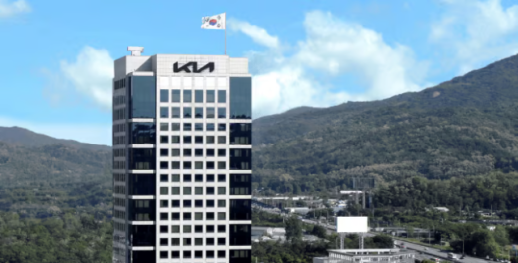 Kia targets 13 EV models by 2030, accelerates PBV and software pivot SEOUL, March 20 (AJP) - Kia outlined plans to expand its electric vehicle lineup to 13 models by 2030 and deepen its push into purpose-built vehicles and software-defined cars, as the automaker seeks to reposition itself amid a global slowdown in EV demand. President Song Ho-sung presented the strategy at the company's annual general meeting held at its headquarters in southern Seoul on Friday, identifying three priorities: EV mass-market expansion, growth of its purpose-built vehicle (PBV) business and a transition toward software-defined vehicles. The automaker said it will launch the compact EV2 this year to complete its affordable EV range, aiming to capture demand in the budget segment. The company will leverage production bases across South Korea, the United States, Europe and emerging markets to match regional demand. On the PBV front, Kia plans to roll out three models in sequence — the PV5, already unveiled last year, followed by the PV7 in 2027 and PV9 in 2029 — targeting logistics and commercial fleets. The company is building a dedicated PBV production line at its Hwaseong EVO plant and working with partners to develop specialized variants including box trucks and camper vehicles. "We will maintain our eco-friendly vehicle strategy despite uncertainties from rising protectionism and tariff variables," said Song. Shareholders also approved governance changes to comply with a revised commercial code, including the adoption of electronic shareholder meetings, mandatory cumulative voting for directors and expanded fiduciary duties for board members. In separate votes, Kim Seung-jun, head of the finance division, was elected as an inside director, and Jeon Chan-hyuk, chief executive of Cesco, was reappointed as an outside director. 2026-03-20 15:27:25
 -
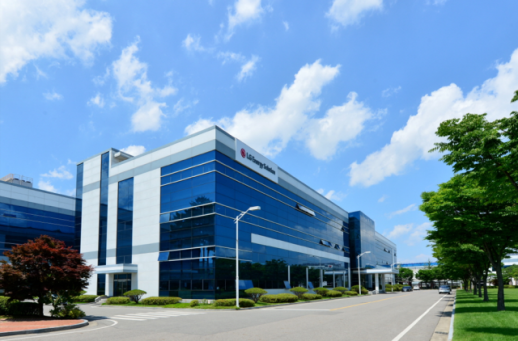 LG Energy Solution pivots to energy storage as EV battery demand slows SEOUL, March 20 (AJP) - LG Energy Solution announced it is accelerating a strategic shift toward energy storage systems as slowing electric vehicle demand reshapes the global battery industry, with the South Korean company moving to rebalance a business long anchored to the automotive sector. Chief Executive Kim Dong-myung told shareholders Friday at the company's annual general meeting in Seoul that the industry has entered a period of "value shift," in which growth is migrating away from electric vehicles and toward energy infrastructure. "We will seize new growth opportunities amid structural changes in power demand," Kim said. The remarks amounted to a formal acknowledgment that the battery sector's center of gravity is tilting from EVs to grid-scale storage, driven by rising electricity consumption from artificial intelligence data centers and the expansion of renewable energy generation worldwide. LG Energy Solution, one of Korea's largest battery maker, plans to raise ESS cell production capacity to more than 60 gigawatt-hours by the end of 2026. The company's ESS order backlog stood at 140 GWh at the end of 2025, and it is targeting an additional 90 GWh in new orders this year. North America is the centerpiece of the push. The company now operates five ESS production sites in the region, including standalone plants in Michigan and a facility run by its Canadian subsidiary NextStar Energy, as well as joint ventures with Honda in Ohio and partnerships with Ultium Cells in Tennessee. It is also converting existing EV battery lines to ESS use to minimize fresh capital spending. The North American focus carries a distinct policy advantage. Washington's Inflation Reduction Act restricts tax incentives for batteries and critical minerals sourced from Chinese supply chains, and LG Energy Solution's domestic manufacturing footprint positions it as one of the few non-Chinese suppliers of lithium iron phosphate cells in the United States. In Europe, the company is repurposing idle EV production capacity for ESS manufacturing, a strategy designed to contain investment costs while responding to regional demand. LG Energy Solution said it aims to raise the share of ESS and new businesses in its portfolio from about 20 percent at present to the mid-40 percent range, reducing its dependence on the volatile EV market. Industry analysts say companies that secure ESS production capacity and non-Chinese supply chains early are likely to gain a durable competitive edge as the battery market transitions from a single reliance on electric vehicles to a broader energy infrastructure model. 2026-03-20 13:48:40
 -
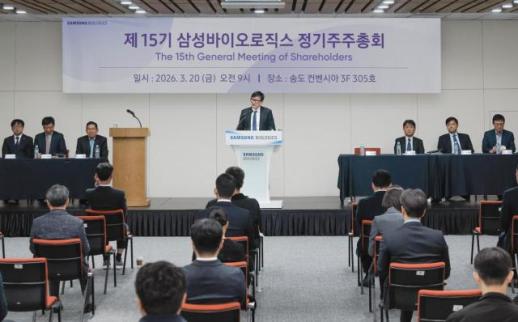 Samsung Biologics reappoints CEO John Rim as inside director SEOUL, March 20 (AJP) - Samsung Biologics said Friday that shareholders reappointed Chief Executive John Rim as an inside director at the company's 15th annual general meeting. About 1,400 shareholders participated in the meeting, which was conducted both on-site and via online livestream. All five agenda items put to a vote were approved as proposed. In addition to Rim, Executive Vice President Lo Kun, who heads the EPCV Center, was also reappointed as an inside director. Kim Jung-yeon, a professor at Ewha Womans University Law School, was newly appointed as an outside director and audit committee member. Other approved items included the adoption of financial statements, amendments to the company's articles of incorporation and a cap on executive compensation. "This year marks our meaningful 15th anniversary," Rim said. "We will continue our efforts to enhance corporate and shareholder value while contributing to the growth of South Korea's bio industry and economy." 2026-03-20 12:12:30