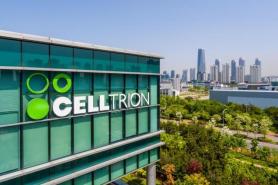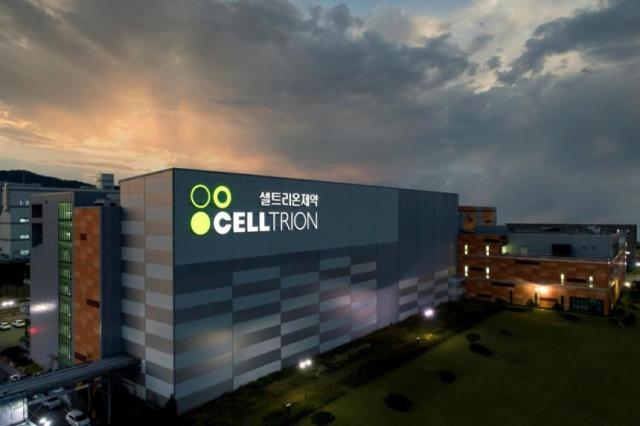
The new Plants 4 and 5 will add 180,000 liters of drug substance (DS) production capacity to Celltrion's existing network, the company said Tuesday.
Combined with a separately announced expansion at its Branchburg, New Jersey facility — where planned capacity has been increased to 75,000 liters from 66,000 liters — the company's total DS capacity is expected to reach 571,000 liters, up from the current 316,000 liters.
The phased investment will run from this year through 2030 and encompasses facilities in South Korea and the United States. Celltrion said the new Songdo plants will be equipped with advanced automation and smart factory technology to enable both small-batch and large-scale production.
"This investment decision will serve as an opportunity to significantly improve profitability, backed by overwhelming cost competitiveness and supply stability," a company spokesperson said, adding that Celltrion aims to become a global top-tier company spanning biosimilars, novel drugs and contract manufacturing.
On the drug product (DP) side, Celltrion said a new DP facility at Songdo — already more than 70 percent complete — is on track to begin commercial production next year, with annual capacity of 6.5 million liquid vials. A second DP plant is planned for the Yesan industrial complex in South Chungcheong Province, with design work set to begin this year.
Once all domestic and overseas expansions are complete, Celltrion said it expects to internalize 100 percent of its DS production needs and about 90 percent of global DP requirements, significantly reducing reliance on external contract manufacturers.
The company added that it would actively consider securing additional production facilities if market conditions or pipeline progress warrant further expansion.
Copyright ⓒ Aju Press All rights reserved.