
Journalist

Han Jun-gu
ellenshs@ajunews.com
-
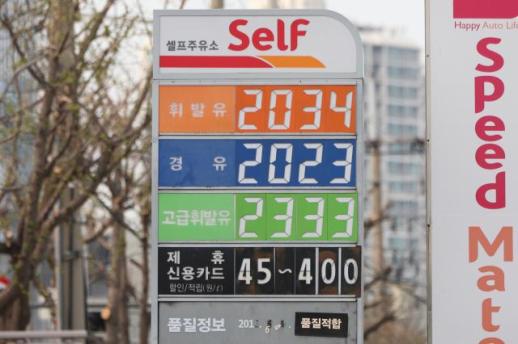 Korean refiners estimate bumper Q1 but beyond uncertain SEOUL, May 03 (AJP)-South Korea’s four major refiners are estimated to have posted combined first-quarter operating profits nearing 5 trillion won ($3.6 billion) on spike in export margins from cheaper inventories due to the blockade of the Strait of Hormuz, though the windfall is expected to be short-lived once cheaper crude inventories are exhausted. According to market consensus compiled by brokerages, SK Innovation is estimated to have turned out an operating profit of about 2.36 trillion won for the January-March period, sharply rebounding from an operating loss of 44.6 billion won a year earlier. S-Oil is forecast to have earned around 1.08 trillion won, while GS Caltex and HD Hyundai Oilbank are projected to report operating profits in the mid-1 trillion won range and around 200 billion won, respectively. The earnings surge came as refining margins spiked after the outbreak of the Middle East conflict in late February disrupted oil flows and tightened fuel supply across Asia. Singapore complex refining margins — a key profitability benchmark for Asian refiners — jumped from $5.7 per barrel in February to $16.5 in March, more than tripling the industry break-even level of around $4-$5 per barrel. The rise in margins coincided with a sharp rally in global crude prices. Dubai crude, the benchmark most relevant for Asian refiners, climbed to $100.46 per barrel as of April 30 from $61.08 at the end of last year, a gain of 64.5 percent. Brent crude surged nearly 94 percent over the same period to $118.03, while U.S. benchmark WTI advanced 86 percent to $106.88. The widening spread between crude procurement costs and refined fuel prices effectively turned South Korean refiners into one of the few major beneficiaries of the regional supply shock. “Amid the Iran war, Korean refiners became virtually the only suppliers in the Asia-Pacific region capable of securing relatively cheaper feedstock for domestic supply while exporting products at elevated margins,” said Jeon Woo-je, an analyst at KB Securities. “The favorable market cycle could continue beyond previous boom periods through the end of next year.” South Korean refiners, which rank among the world’s top five in refining capacity, generate roughly 50 to 70 percent of sales from exports, allowing them to capitalize aggressively on overseas shortages of gasoline and diesel. The headline earnings may overstate the sector’s underlying profitability. Market estimates suggest that roughly 40 to 50 percent of first-quarter operating profit stemmed from inventory-related gains rather than structural improvement in refining operations. Refiners typically hold three to four months of crude inventories, while imported oil takes four to eight weeks to arrive and enter production. During periods of rising oil prices, refiners process cheaper crude purchased earlier while selling refined products based on current elevated market prices. The timing effect temporarily inflates margins, but the reverse occurs once crude prices begin to decline. The concern is that refiners are now replenishing inventories at sharply higher prices. Because refining is a continuous-process industry requiring uninterrupted crude purchases regardless of market conditions, companies are reinvesting first-quarter profits into substantially more expensive replacement barrels, particularly as alternative crude supplies command steep premiums following disruptions to Middle Eastern shipments. Analysts estimate that every $1 change in crude oil prices affects the combined earnings of the four refiners by more than 100 billion won. Domestic policy pressure has also challenge their profitability. Under a government “maximum price guideline” introduced in March to contain inflation, refiners were required to cap domestic fuel prices despite surging global energy costs, limiting margins in the local market compared with exports. Industry estimates suggest cumulative losses linked to the pricing measure have already exceeded 3 trillion won. Although the government pledged compensation, disputes are expected over reimbursement calculations as a 4.2 trillion won emergency reserve fund nears depletion. 2026-05-03 13:11:43
 -
 Second Korean tanker reroutes via Red Sea as Seoul presses Iran on Hormuz safety SEOUL, May 03 (AJP) - A second South Korean tanker carrying crude oil has safely passed through the Red Sea and is en route to South Korea, authorities said Sunday, underscoring Seoul’s growing reliance on alternative shipping routes as the blockade of the Strait of Hormuz continues to disrupt global energy logistics. The Ministry of Oceans and Fisheries said Sunday the vessel had safely transited the Red Sea as of 10 a.m. after loading crude at Saudi Arabia’s Yanbu port. It marks the second confirmed Korean tanker to use the Red Sea corridor since the Hormuz blockade intensified following the outbreak of war between the United States and Iran on Feb. 28. The ministry said it provided around-the-clock monitoring and operational support during the passage, including real-time communication channels with the shipping company and vessel, as well as navigation safety updates. “We supported the safety of the vessel and crew through 24-hour monitoring, provision of maritime safety information and real-time communication systems between the ministry, the shipping company and the vessel,” the ministry said in a statement. “We will continue to make every effort to stabilize domestic crude oil supplies.” The latest voyage highlights how South Korea, heavily dependent on Middle Eastern crude imports, is cautiously testing alternative routes while many vessels remain stranded or delayed around the Persian Gulf amid lingering security concerns. Seoul’s diplomatic efforts also intensified over the weekend. The Foreign Ministry said Foreign Minister Cho Hyun held a phone call Saturday with Iranian Foreign Minister Seyed Abbas Araghchi to discuss the regional situation and maritime security. It was the third ministerial-level communication between Seoul and Tehran since the U.S.-Iran conflict erupted earlier this year. According to the ministry, the call was requested by the Iranian side. During the talks, Araghchi explained Tehran’s position regarding ongoing negotiations with Washington, while Cho stressed the urgent need for regional stability given its impact on global security and the economy. Cho also raised concerns over multinational vessels, including Korean ships, that remain anchored near the Strait of Hormuz, emphasizing the necessity of restoring safe maritime transit for all commercial shipping. The two sides agreed to maintain close communication. The diplomatic exchanges came as uncertainty deepened over cease-fire negotiations between Washington and Tehran. U.S. President Donald Trump said Saturday he was reviewing Iran’s latest proposal but doubted it would be acceptable, signaling that prospects for a durable cease-fire remain fragile. “I can’t imagine that it would be acceptable,” Trump said on Truth Social, a day after saying he was “not satisfied” with Tehran’s latest offer. Trump later clarified that he had only been briefed on the “concept of the deal” and was awaiting the precise details. Iran’s latest proposal reportedly softens its previous demand that Washington lift the Hormuz blockade before direct negotiations resume. According to senior Iranian officials cited by U.S. media, Tehran is now willing to reopen the strategic waterway before formal talks proceed. The Strait of Hormuz previously handled roughly one-fifth of global oil shipments, making its disruption one of the most consequential supply shocks since the outbreak of the war. Trump has repeatedly insisted Iran must permanently halt uranium enrichment and abandon any path toward nuclear weapons capability, while Tehran continues to defend what it calls its sovereign right to nuclear enrichment. Iranian Deputy Foreign Minister Kazem Gharibabadi said Friday that “the ball is now in the United States’ court,” warning that Tehran remained prepared for renewed military conflict if diplomacy failed. 2026-05-03 11:07:05
 -
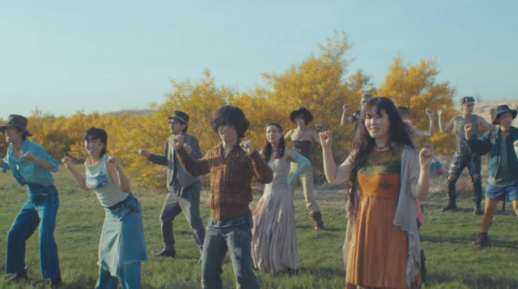 Why AKMU’s ‘Paradise of Rumors’ Is Striking a Nerve in an Exhausted Korea “Weary and sick traveler, lonely traveler, your incurable illness cannot exist there.” (omitted) “Walk slowly, for a long time, to Paradise of Rumors.” (lyrics excerpt from ‘Paradise of Rumors’) One of the quietest songs to move people lately is, unusually, very slow. There are few trendy electronic sounds and no punchy hook. Instead, there is an old guitar tone and a voice that feels like wind. It settles on the listener, very gradually, like late-afternoon light slipping through a window. That is the story of ‘Bloom,’ an album by sibling duo AKMU. It has 2.5 billion cumulative streams on Melon, and a single track has appeared on the daily chart for 1,046 consecutive days. Those striking numbers point, with unusual precision, to what people in South Korea are worn down by. “After joy comes sadness — it’s a beautiful heart. Don’t be afraid; sit and face it. It becomes a brilliant painting. Your laughter, and your tears in harmony.” (lyrics excerpt from ‘Joy, Sadness, a Beautiful Heart’) Listeners say the song makes them choke up. Some write that it comforted them during chemotherapy; others say thoughts of wanting to die have eased, even a little. In an era defined by artificial intelligence, an intensely analog song is being embraced. People now live in a time of abundance and convenience. With a swipe, they can watch almost anything. AI can draw, make music and even write. Algorithms analyze tastes and show what users are likely to want. Life keeps getting faster and easier. Yet faces look more tired. On the subway, people stare at screens. In cafes, at crosswalks and in bed just before sleep, they keep watching something. Bodies stop, but minds do not. Information overflows, while emotions feel increasingly dry. Somewhere along the way, people lost the ability to simply be still. Even rest is expected to be productive. Exercise must be logged, travel must become photos, reading must be posted as proof. Doing nothing is treated like laziness. Even a moment without activity can feel unsettling. That may be why Seoul has seen a curious new scene. Not long ago, Gwanghwamun Square hosted a “spacing-out contest.” Participants had to sit still for 90 minutes without looking at their phones. On weekends, the Han River has hosted a “sleeping contest,” judging who can fall into the deepest, calmest sleep. Staring into space and sleeping — once among the most natural human acts — have become competitions. People submit applications and beat out others just to earn the right to do nothing. It is funny, and also sad. Why would people choose to sit blankly in the middle of a city, or lie down by the Han River to sleep in front of strangers? Perhaps because they have gone too long without real rest. National statistics show South Koreans’ average sleep time continues to fall, while the number of people who cannot sleep is rising. Students cut sleep between cram schools and entrance exams. Office workers stay up late amid endless tasks and anxiety. Self-employed people cannot relax even after closing their shops. Parents find time for themselves only after putting children to bed. Everyone is tired, but few can rest at ease. Lee Chan-hyuk’s lyrics do not offer loud, easy hope. They acknowledge sadness. “After joy comes sadness — it’s a beautiful heart.” At first, the line can sound strange, because many people learned to treat sadness as failure. Depression is something to hide, anxiety something not to reveal, and being shaken something that means falling behind. But the song argues that sadness is proof the heart is still alive — and that joy and sadness were never truly separate. Memories that last are rarely made of joy alone. Love includes pain. Youth can be radiant and anxious at once. A parent’s back can feel steady yet lonely. Summer vacation in childhood can be happy, but the evening it ends is often sad. Life holds joy and sorrow together, yet people may have been pushed for too long to show only happiness. That is why listeners break down in front of the song: they do not have to pretend they are fine. What deepens the impact is that the music was made by passing through real wounds. Lee Su-hyun spent a period largely cut off from the world amid a long slump, depression, insomnia and panic. There were times when her weight rose sharply and she could not leave her room. Her brother, Lee Chan-hyuk, tried to bring her back to life by walking with her, traveling and getting her into sunlight. They walked the Camino de Santiago and also went to Uganda for volunteer work. ‘Bloom’ is not just an album; it reads like a record made to help someone live again. That may be why the music carries a sincerity that feels rare today. This is an age that tries to make everything efficient: fast answers, fast delivery, fast relationships, fast consumption. AI keeps reducing the time needed for tasks, yet people feel busier. In technologies built to save time, many end up losing themselves. What people need may not be more speed. It may be a brief, forced logoff: putting down the phone and watching the Han River breeze for a long time; eating dinner slowly with someone; listening to one song all the way through at night. Turning pages until drowsiness arrives. Walking for no reason and catching the smell of dusk. That kind of old-fashioned humanity. As the AI era advances, those moments may become even more valuable. The ability to rest well, to be quietly alone, and to look inward may become a distinctly human strength. That may be why people are looking for ‘Paradise of Rumors.’ “Walk slowly, for a long time, to Paradise of Rumors.” Perhaps people are not only listening to the song — they are briefly imagining the road that leads there. 2026-05-03 10:29:21
 -
 Samsung's AI chip bonanza fuels bitter divide inside Korea's biggest company SEOUL, May 03 (AJP)-Inside Samsung Electronics, the celebration over record-breaking first-quarter earnings is rapidly turning into a battle over who deserves the spoils of the AI boom. The South Korean tech giant, now ranked among the world’s largest technology companies alongside Apple, Microsoft and Nvidia by market value and profit scale, posted an all-time quarterly operating profit of 57.2 trillion won ($41 billion) for the January-March period. But the numbers exposed an increasingly fractured company: the semiconductor division generated nearly all of the earnings windfall, while workers in smartphones, TVs and appliances braced for restructuring and possible layoffs. The widening imbalance has now spilled into open labor conflict. Samsung’s majority union, dominated by semiconductor workers in the Device Solutions (DS) division, is threatening a general strike while demanding uncapped bonuses equivalent to 15 percent of divisional operating profit. The union argues that engineers and production staff behind the company’s AI memory boom deserve unprecedented compensation after helping Samsung capitalize on soaring demand for high-bandwidth memory (HBM) chips used in AI data centers. Yet the aggressive push has triggered backlash from employees outside the semiconductor business, particularly in the Device eXperience (DX) division that oversees smartphones, TVs and home appliances. According to industry officials Sunday, requests to withdraw from the union have surged in recent days, with internal bulletin boards flooded with resignation posts and criticism that the labor group has effectively become a “chip workers’ union” rather than a companywide representative body. Daily withdrawal requests reportedly jumped from fewer than 100 to more than 1,000 at one point last week. The anger intensified after the union announced it would provide up to 3 million won in strike activity payments for staff participating more than 15 days in labor action, following an earlier decision to raise monthly union fees fivefold during collective bargaining. Non-chip employees accuse union leadership of using broader membership dues to finance a strike agenda centered almost entirely on semiconductor workers. “They only talk about DS bonuses while DX employees are worried about survival,” one employee wrote on an internal forum. The contrast between Samsung’s two core businesses has become increasingly stark under the AI-driven semiconductor supercycle. The DS division posted 53.7 trillion won in operating profit in the first quarter alone, nearly 50 times higher than a year earlier, driven by explosive demand for AI memory chips and continued price increases across the memory market. Industry estimates suggest DS operating margins reached roughly 66 percent, with memory profitability approaching 75 percent. Under the union’s proposal, some semiconductor employees could theoretically receive bonuses approaching 600 million won per person this year if Samsung’s annual earnings continue at the current pace. Meanwhile, the DX division generated only 3 trillion won in quarterly operating profit, down 36 percent from a year earlier despite the launch boost from the Galaxy S26 smartphone lineup. Profit margins in the consumer electronics business have collapsed to around 6 percent as rising semiconductor costs, weaker global demand and U.S. tariff pressures squeeze earnings. Some analysts are even warning that Samsung’s consumer electronics operation could slip into annual losses for the first time. The company has already begun shutting low-profit appliance production lines, outsourcing parts of manufacturing and conducting management reviews across domestic sales operations. Persistent speculation about partial withdrawals from China’s TV and appliance market has further fueled anxiety among DX employees. The labor dispute is now exposing a deeper structural issue inside Samsung: the company increasingly resembles two vastly different businesses operating under one corporate roof. One side is riding the global AI infrastructure boom and generating historic profits. The other is struggling with slowing demand, margin compression and fears of restructuring. Industry observers say the internal division carries broader implications for Samsung’s long-term cohesion. “For years, profits from smartphones and appliances helped sustain semiconductor investment during downturns,” an employee said, requesting anonymity. “Now the roles have reversed, but employees are questioning whether the rewards and burdens are being shared fairly.” Samsung management has so far resisted the union’s demand to remove bonus caps, partly out of concern that extreme compensation gaps could deepen resentment across divisions. But the conflict is becoming harder to contain as the semiconductor boom reshapes internal power dynamics inside South Korea’s most important company. Even within the chip division itself, tensions are reportedly intensifying between union members and non-members as the prospect of a walkout approaches. “People barely talk to each other anymore depending on whether they support the union,” another Samsung employee said. “Everyone says we are one company, but right now it doesn’t feel that way.” 2026-05-03 09:02:34
 -
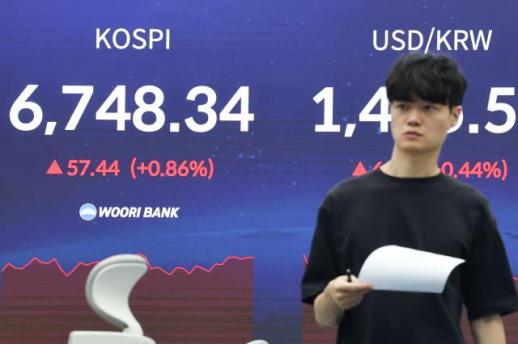 No One Is Selling: Leverage Surges as South Korea’s KOSPI Rallies "Sell in May and go away." It is one of Wall Street’s oldest sayings, built on the idea that returns tend to lag from May through October. The phrase traces back to 19th-century London, when aristocrats left the market during the social season. In South Korea’s market in 2026, the saying lands differently: There is no one eager to leave, because many investors believe prices will keep rising. The KOSPI surged 30.61% in April, quickly recouping losses from an earlier drop tied to the war involving the United States and Israel and Iran. It pushed past 6,700 intraday to set a new record. Combined operating profit at Samsung Electronics and SK hynix topped 95 trillion won, and expectations of an AI semiconductor “supercycle” have helped lift the broader market. The issue is not the rise itself, but the speed. Stocks are climbing while the won and bonds are unsettled. The won-dollar exchange rate has remained highly volatile around 1,480 won. Government bond yields are rising again. Gasoline prices in Seoul have topped 2,000 won per liter, and the consumer sentiment index has slipped below 100 for the first time in a year. Manufacturing output growth slowed sharply, to 0.3% from 5.3%, nearly stalling. As the real economy cools and equities race ahead, the gap leaves the market on weaker footing. Leverage stands out. Outstanding margin loans in the domestic stock market hit a record 35.6895 trillion won, rising for 13 straight trading sessions. About 2.7 trillion won was added in April alone. Retail investors are not just buying shares; they are borrowing to chase the rally. NH Investment & Securities, KB Securities and Korea Investment & Securities have moved to restrict credit, a sign that market heat is outpacing brokerages’ risk controls. The combined market capitalization of the KOSPI and KOSDAQ has climbed to about twice South Korea’s gross domestic product. The so-called Buffett indicator is nearing 200. Warren Buffett has called the measure “the best single measure of where valuations stand.” Some note that U.S. stocks have also sustained a high Buffett indicator since the era of ultra-low rates. Still, the key point is less the level than how quickly the market got there. Only weeks ago, the Korean market was rattled by fears tied to war, oil prices, the exchange rate and slowing growth. Now even the war is being treated as a positive. Investors have grown comfortable with the idea that “a market that rises on bad news is strong.” As prices keep climbing, confidence hardens — and that confidence can invite more borrowing. Bubbles often begin with psychology, not numbers. The “sell in May” strategy is not a rule. Over the past 33 years, U.S. stocks rose 25 times during the May-to-October period, and Deutsche Bank has dismissed the approach as a “coin toss.” This rally also has an earnings foundation: Profit growth at Samsung Electronics and SK hynix is real, and the AI-driven expansion in power and memory demand looks closer to a structural shift. Even so, markets often get excited before fundamentals fully catch up. Financial markets repeatedly overheat in familiar ways: belief that “this time is different,” debt starting to look normal, and rising prices dulling a sense of risk. Economist Hyman Minsky described the dynamic as “stability breeds instability,” arguing that long periods of calm encourage greater risk-taking until a small shock can topple an overleveraged system. That does not mean South Korea’s market is on the verge of collapse. A further rally toward 7,000 on the KOSPI remains possible. The concern is the pace, not the direction. Markets rarely climb in neat steps; more often they sprint on enthusiasm and then, without warning, regain caution. What is needed now is neither fear-driven selling nor the belief that the AI era guarantees endless gains. It is a willingness to question the speed. * This article has been translated by AI. 2026-05-02 08:18:21
 -
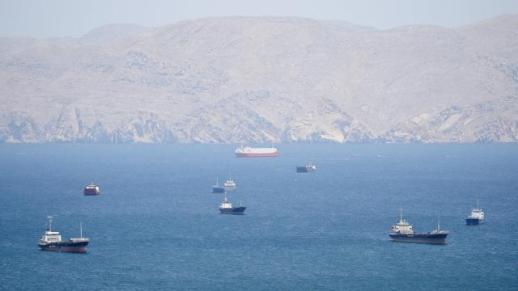 If the Strait of Hormuz Becomes the New Normal, the Global Economy Loses Its Exit May 1 is approaching, the first major test of the 60-day limit for a U.S. president to continue a war without congressional approval. The deadline is near, but the outcome remains unclear. A stalemate that is neither war nor peace, delays that are neither talks nor breakdown, and pressure that is neither blockade nor all-out conflict are squeezing the Middle East and the global economy. At the core is a deadlock. The United States is pressing Iran to halt its nuclear program first, while Iran is demanding the lifting of restrictions on the Strait of Hormuz as a precondition. Both sides appear to believe time is on their side. But as time passes, the party paying the price is not the combatants — it is the world economy. The Strait of Hormuz is more than a shipping lane. It is a main artery for crude oil, liquefied natural gas, petrochemical feedstocks and metal raw materials. If disruption there drags on, higher oil prices spread through freight costs, electricity bills, food prices and factory costs, hitting the real economy broadly. Inflation that had begun to cool can flare again, central banks may be forced to shelve rate-cut plans, and emerging economies can face a double squeeze of fiscal stress and foreign-exchange pressure. That is why Reuters and other foreign media have reported that, just two months into the war, developing countries’ inflation and trade indicators have moved into “red alert.” The United States is the world’s largest oil producer and has a service-heavy economic structure. For countries such as South Korea, Japan and India — more dependent on imported energy and more manufacturing-driven — an oil shock is not a wave but a tsunami. The paradox is that those who must endure the war can fall first, not those who started it. If disruption around Hormuz becomes a “new normal” rather than a temporary shock, it stops being distant foreign-policy news and becomes a kitchen-table issue. South Korea’s core industries — semiconductors, autos, shipbuilding and steel — all rest on energy and logistics. Even if exports hold up, if import costs rise faster, the national economy’s resilience can be drained quickly. Assigning blame to only one side misses the point. Iran’s attempt to control the strait is a risky gamble that shakes international maritime order. Prolonged U.S. military pressure can also end up holding the global economy hostage. Security requires principles, but those principles must be matched with restraint. Force is a tool; it cannot be an exit by itself. The May 1 deadline carries symbolism beyond procedure. The U.S. War Powers Act limits military operations without congressional approval to 60 days. If that process is bypassed or hollowed out, the situation can spiral — with the purpose of the war and the conditions for ending it left undefined, and a cycle of restrictions and retaliation turning into a war of attrition. The tragedy of a game of chicken is not only two drivers refusing to turn the wheel. It is the bystanders on the road who are smashed first. That is the position of the global economy now: oil, shipping, food and exchange rates are all tied to a single narrow strait. South Korea needs a clear-eyed response. It should review energy stockpiles and diversify import sources, secure alternative logistics routes, and test industry-by-industry scenarios for cost shocks. Diplomatically, it should work within the alliance framework while clearly stating to the international community the scale of the economic damage. The principle is freedom of navigation; the practical goal is a swift end to the war. The fighting may not stop after May 1. The deeper risk is that the world becomes accustomed to an abnormal situation. Stock markets in Seoul, New York and Tokyo are already showing signs of that, continuing an unusual rally. But the moment disruption in Hormuz becomes a constant rather than an exception, the global economy will not be passing through a crisis — it will be living on top of one. The first countries to buckle will not be those with energy, but those that built growth on energy they must import. South Korea would not be an exception. 2026-04-28 14:42:31
 -
 Trump Survives Gunfire at Washington Dinner as U.S. Political Violence Grows "No one told me this job was this dangerous." Trump said it that night at a news conference, wearing a tuxedo. It was less than two hours after gunfire erupted at a dinner. It sounded like a joke, but it was not. He has faced gunfire three times. This time, the shots came without warning at the Washington Hilton Hotel ballroom. Amid tuxedos and evening gowns at a "Washington night," an unfamiliar sound cut through the room. Trump said he first thought a tray had fallen. Melania noticed first. "That's a bad sound." She was right. Agents secured the stage. Cabinet members ducked under tables. In one corner, a waitress screamed in Spanish: "I don't want to die here." On the floor were half-eaten salad, crumpled napkins and a single high heel. Trump survived again. But survival is no longer the ending. In 2024, a bullet grazed his ear at a campaign stop in Pennsylvania. Later that year, a sniper hid in bushes at a Florida golf course. This time, an armed man sprinted toward a security checkpoint at the dinner venue. Trump said, "The more influence you have, the more you get attacked." That may be true, but it does not capture what has changed. In the United States, it is not only a leader at risk; politics itself has become more dangerous. A sitting member of Congress was shot. A conservative commentator died at a lecture hall. The husband of a former House speaker was attacked with a hammer. A Democratic governor's home was set on fire. Sorting out which side is threatened is increasingly beside the point. The irony is stark: The president of the world's most powerful military was attacked at a dinner in his own country. Trump said the incident showed the need for a new White House banquet hall: bulletproof glass, drone defenses and a fully controlled space. The plan carries a $400 million price tag and is in litigation. Security is necessary. But when a space meant to symbolize openness turns into a fortress, questions follow about how open the system can remain. It is a paradox of a democracy closing itself to protect itself. The strain did not arise in a vacuum. Immigration enforcement, alliance realignments and clashes with the media have drawn sharp reactions at home and abroad to Trump administration policies. Policy disputes do not justify violence. But as politics runs on extreme language, the threshold for action drops. What once seemed unthinkable becomes imaginable, and sometimes becomes real. The war with Iran is now in its second month. In joint U.S.-Israeli operations, about 1,200 Iranians and six U.S. troops have been killed. Trump canceled a negotiating delegation's trip to Pakistan just before takeoff, saying, "We have all the cards." Iran said it would not sit at the table as long as the blockade continues. The structure is simple: Neither side yields, and each waits out the other. Iran's foreign minister, leaving Pakistan, said, "We'll have to see whether the United States is truly serious about diplomacy." Trump said later that night Iran's proposal was "much better but still not enough." The talks appear to continue, but in practice remain stuck. Investigators believe the suspect, Cole Thomas Allen, 31, acted alone. Trump said he agreed and drew a line under any likely Iran connection. "He has very serious mental problems," Trump said. One agent was shot but survived because of a bulletproof vest. The suspect's apartment is being searched. The motive remains unclear. Like the gunfire at the dinner, like the stalemate with Iran, the moment was loud but the outcome is uncertain, and nothing is resolved. Trump joked that no one told him the job was this dangerous. What no one can say yet is where this war and this tension end. Washington and Tehran do not have that answer. 2026-04-26 16:54:19
 -
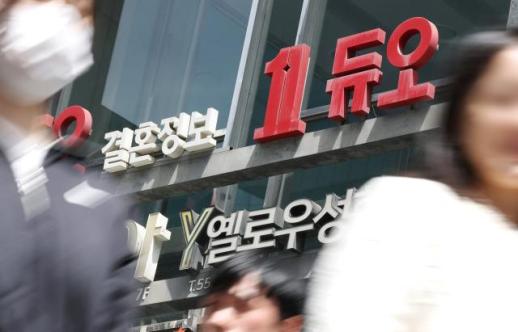 Duo Data Leak Exposes 430,000 Matchmaking Profiles, Raising Questions About Trust Marriage has long carried an element of transaction, even when it is wrapped in the language of love. The film “Materialists” captured that idea with a blunt line from a couple manager who builds matches by salary, looks, education and age: “Love is a variable, and marriage is a calculation.” That logic depends on collecting ever more personal information. But the more complete the calculation becomes, the more exposed people can be. A data breach at Duo, South Korea’s largest matchmaking company, laid bare that risk when sensitive personal information on 430,000 members was leaked. The leaked material went far beyond names and contact details. It included height, weight, blood type and religion, as well as marital history, family relationships, workplace, financial capacity and health status — a profile that can describe a person’s life in numbers. The breach also raised questions about how such data was handled. Of the 430,000 affected, 300,000 were members whose contracts had already ended and whose data should have been destroyed, the article said. Instead, the information was kept and ultimately fell into hackers’ hands. The company’s response drew additional criticism. The article said Duo failed to meet a requirement to report the breach within 72 hours after recognizing it, and victims learned of the leak later through news reports. South Korea’s Personal Information Protection Commission imposed an administrative fine of about 1.2 billion won. Spread across the victims, that amounts to about 2,800 won per person — less than the price of a cup of coffee, the article noted. The article said the penalty reflects limits in the current system, including rules tied to revenue and reductions based on company size. But it argued the larger issue is why people disclose so much while expecting so little protection in return. Unlike breaches involving platforms or telecom companies, the article said, the information entrusted to matchmaking firms is not just a record of consumer behavior. It can shape a person’s social standing and identity, and once exposed it can become an irreversible vulnerability. A scene in the film poses a simple question: “Why do people insist on getting married?” The answer is equally direct: “Because they’re lonely. And because they need hope.” The article said what people are buying is not a set of conditions but relief from anxiety — reassurance that their choice is not wrong. Matchmaking companies sell that reassurance and, in exchange, accumulate vast power through data. In a market where marriage is treated as a deal, the article argued, trust should be the most valuable asset. Instead, it said, trust is treated as cheap, and the costs of that complacency fall most heavily on individuals. * This article has been translated by AI. 2026-04-25 06:45:26
 -
 AI Layoffs Hit the Workers Who Built the Systems, Raising Fears for Entry-Level Jobs 미국 실리콘밸리발 감원은 단순한 경기 대응형 구조조정이 아니라, 노동의 정의가 바뀌는 구조적 전환의 신호로 읽힌다. 특히 AI를 구축하고 학습시키던 인력이 자신들이 만든 기술에 의해 밀려나는 역설이 현실화하고 있다. 메타(Meta)는 인력의 10%를 감축하면서도 AI 인프라에 연간 1,350억 달러를 투입하고 있다. 마이크로소프트도 대규모 조기퇴직을 단행했다. 겉으로는 비용 절감이지만, 핵심은 인건비를 줄여 AI라는 자본재에 재투자하는 ‘노동의 자본 대체’가 고착화되는 흐름이라는 지적이 나온다. 감원의 중심은 단순 노무직이 아니라 ‘중간층 지식노동’이다. 마크 저커버그 메타 CEO는 “과거 대규모 팀이 필요했던 프로젝트를 이제는 뛰어난 소수가 해낼 수 있다”고 말했다. AI가 팀 규모와 인력 구조를 바꾸고 있다는 취지다. 문제는 전통적인 ‘신입-중급-시니어’로 이어지던 숙련의 사다리가 흔들린다는 점이다. 신입은 기초 코딩, 데이터 정리, 문서 초안 작성 같은 기본 업무를 통해 조직을 배우고 중급으로 성장해 왔다. 그러나 생성형 AI가 이 ‘기초 업무’ 영역을 빠르게 대체하면서, 사다리의 첫 칸이 사라지고 있다. AI를 학습시키고 데이터를 정제하며 모델을 개선하던 주니어 인력이 오히려 가장 먼저 대체 가능한 존재가 되는 역설도 제기된다. 기술이 인간의 기초 노동을 바탕으로 발전했지만, 그 과정에서 인재가 성장할 기회가 줄어든다는 것이다. 이런 ‘진입의 부재’는 청년 실업 문제를 넘어 조직 내부의 중간층 약화와 인적 병목을 낳을 수 있다는 우려로 이어진다. 기업들이 주니어 역할을 줄이고 시니어 중심의 고효율 구조를 지향하면, 시간이 갈수록 조직은 유입이 끊겨 노쇠화될 수 있다는 분석이다. 새로운 감각과 혁신을 가져올 젊은 인력이 줄어들면 조직의 역동성과 시장 대응력도 떨어질 수 있다. 경험의 단절도 문제로 꼽힌다. 숙련된 전문가는 반복적인 실무 축적을 통해 성장하지만, 주니어 직무가 AI로 대체되면 미래의 시니어가 될 인력이 역량을 쌓을 ‘훈련의 장’이 줄어든다. 그 결과 5년 뒤의 중간급 인력, 10년 뒤의 리더가 부족해지는 ‘인재 공급망 단절’이 예고된다는 지적이다. 이 변화는 한국에서도 통계로 나타나고 있다. 2026년 3월 기준 청년 취업자는 41개월 연속 감소했다. 전문·과학기술 서비스업과 정보통신업의 일자리 감소분 중 약 89%가 2030 세대에 집중됐다. AI가 전체 일자리를 줄이기 전에 “신입이 진입할 통로”부터 막히고 있다는 주장도 나온다. 변호사, 회계사, 개발자 등 자동화의 안전지대로 여겨졌던 전문직도 예외가 아니라는 것이다. 계약서 검토나 리서치 등 주니어 단계 업무가 AI로 대체되면서, 신입이 실무를 배우며 전문가로 성장할 기회가 줄어들고 있다는 문제 제기가 이어진다. 대응 역시 재점검이 필요하다는 목소리가 있다. 지금까지는 ‘AI 교육 확대’에 초점이 맞춰졌지만, 현장의 문제는 청년들이 AI를 몰라서가 아니라 AI 시대에 발을 붙일 첫 일자리가 부족하다는 데 있다는 것이다. 정책은 교육 확대를 넘어 ‘기회 구조의 재설계’로 옮겨가야 한다는 제안이 나온다. AI 도입으로 생산성이 높아진 기업들이 이익의 일부를 신입 채용과 실무 인턴십 유지에 재투자하도록, 세제 혜택을 포함한 ‘청년 첫 직무 보장제’를 사회적 논의에 올려야 한다는 주장이다. 기업과 정부가 단순 실행 위주의 직무에서 벗어나, AI 결과물을 검증하고 문제를 정의하는 ‘AI-보완형 주니어 직무’를 새로 설계해야 한다는 제안도 있다. 신입이 기술에 종속되지 않고 기술을 활용하는 역량을 키울 수 있도록 하자는 취지다. 또 실무 경험이 중요한 전문직을 중심으로 AI와 인간이 협업하며 전문성을 승계하는 ‘디지털 도제제도’ 도입 필요성도 제기된다. 시니어가 주니어를 멘토링하는 과정에서 발생하는 비용을 국가가 보전할 때, 끊어진 숙련의 사다리를 다시 잇는 데 도움이 될 수 있다는 주장이다. AI 시대의 위험은 기술이 인간을 앞서는 데만 있지 않다는 지적이 나온다. 미래 세대가 노동시장에 진입할 길을 잃으면, AI는 생산성을 높이는 동시에 청년의 기회를 줄이는 ‘세대 간 불평등’의 요인이 될 수 있다는 우려다. 청년에게 위로를 건네기보다, 새로운 형태의 진입 경로를 만드는 데 역량을 집중해야 한다는 주장으로 글은 마무리된다. * This article has been translated by AI. 2026-04-24 11:06:27
 -
 Korea's birth rate crawls near 1 in February on record births in the month SEOUL, April 22 (AJP) -South Korea's fertility rate edged closer to the 1.0 threshold in February as births grew at a record pace, lifting the monthly tally to its highest level in seven years. According to the Ministry of Data and Statistics Wednesday, the number of births reached 22,898 in February, up 2,747, or 13.6 percent, from a year earlier — marking the highest February figure in seven years since 2019. The increase was the third-largest on record in absolute terms for February and the fastest growth rate since data collection began in 1981. The data extend a sustained recovery trend, with births rising for 20 consecutive months since July 2024. The total fertility rate — the average number of children a woman is expected to have over her lifetime — rose to 0.93 in February, up 0.10 from a year earlier. Adjusted for February’s shorter calendar, officials said the figure represents a relatively strong reading. A breakdown by age shows the rebound was led decisively by women in their 30s, the core childbearing cohort. The birth rate for women aged 30–34 climbed to 86.1 per 1,000, up 9.1 from a year earlier, while that for those aged 35–39 rose to 61.5, up 9.2 — the largest gains across age groups. Among younger cohorts, the rate for women aged 25–29 edged up 1.6 to 23.9, while births among those aged 40 and above rose modestly by 0.7 to 5.1. The rate for women aged 24 and under, however, slipped 0.2 to 2.2. By birth order, first-born children accounted for 63.0 percent of total births, up 1.2 percentage points from a year earlier, while the shares of second-born and third-or-higher երեխան declined by 0.5 and 0.6 percentage points, respectively. Despite the rise in births, South Korea’s population continued to shrink, as deaths outpaced births. The number of deaths stood at 29,172 in February, down 3.5 percent on-year, partly due to milder and drier weather conditions compared to last year. Still, the country recorded a natural population decline of 6,275 during the month. Marriage figures — a leading indicator of future births — showed a temporary pullback. The number of marriages fell 4.2 percent on-year to 18,557 in February, snapping a 22-month streak of increases since April 2024. Officials attributed the decline largely to fewer working days due to the Lunar New Year holiday, noting that on a comparable basis, marriages would have likely increased. Divorces also declined sharply, falling 15.6 percent on-year to 6,197 — the lowest February figure since 1997. Authorities cited both a longer-term downtrend and fewer administrative working days during the holiday period. The latest data follow a strong start to the year. In January, births rose 11.7 percent on-year to 26,916, pushing the monthly fertility rate to 0.99 — its highest level since monthly tracking began in 2024. The recent gains are partly attributed to demographic effects, including the so-called “second echo boom,” as those born in the early 1990s enter peak marriage and childbearing years, as well as a backlog of delayed marriages following the COVID-19 pandemic. 2026-04-22 16:51:04