

Journalist

Joonha Yoo and Ryu Yuna
joonhayoo94@ajupress.com
-
 Avignon Festival to spotlight Korean language and contemporary performing arts SEOUL, May 12 (AJP) - The Avignon Festival, one of the world’s leading performing arts festivals, will spotlight the Korean language and contemporary Korean productions during its 80th edition in July, marking the first time an Asian language has been selected as the festival’s official invited language. The Korean-language spotlight program coincides with the 140th anniversary of diplomatic relations between South Korea and France, highlighting the growing cultural exchange between the two countries beyond the global popularity of K-pop, film, and television dramas. Held annually in the southern French city of Avignon, the festival runs from July 4 to 25 and is regarded as one of Europe’s most influential theater and live performance events. Founded in 1947 by French actor and director Jean Vilar, the festival is known for presenting contemporary and experimental productions in historical venues across the city. This year’s program also marks the first time the festival has centered on a single national language as part of its invited language initiative, which highlights the arts and culture of a selected linguistic community each year. English, Spanish, and Arabic were previously featured in 2023, 2024, and 2025, respectively. A total of nine Korean productions will be presented in the festival’s official "In" program, the main section featuring curator-selected works staged across the festival’s principal venues. Among the featured productions is "Oiseau," a staged reading based on Nobel Prize-winning author Han Kang’s novel "We Do Not Part." The performance will take place at the Cour d’Honneur of the Palais des Papes, the festival’s signature venue, and will star French actress Isabelle Huppert alongside Korean actress Lee Hye-young. Other Korean works include playwright and director Jaha Koo’s "Cuckoo," "Haribo Kimchi" and "The History of Korean Western Theatre." Additional productions explore themes ranging from Jeju Island’s haenyeo culture and the Jeju April 3 uprising to the climate crisis and contemporary Korean identity. They include “MULJIL,” "Island Story," "1 Degree Celsius," "KIN: Yeonhee Project I" and "Snow, Snow, Snow." The lineup reflects the expanding global reach of contemporary Korean performing arts as Korean-language productions continue to gain visibility on major international stages. 2026-05-12 13:59:29
 -
 Annual Cannes Film Festival opens with South Korean cinema in spotlight SEOUL, May 12 (AJP) - This year's Cannes Film Festival kicked off its 11-day run in the southern French city on Tuesday, with South Korean films among the highlights. Widely regarded as one of the world's most prestigious film festivals, alongside those in Berlin and Venice, the festival, now in its 79th year, is known for recognizing auteur-driven, bold, and artistic films. Its top prize, the Palme d'Or, also known as Golden Palm, is considered one of the highest honors in global cinema and has often propelled filmmakers and films to international prominence. This year's festival notably features an impressive South Korean lineup across multiple sections, led by director Na Hong-jin's sci-fi thriller "Hope," which was invited to the main competition, marking the first time in four years that a South Korean film has competed for the top honor. Set in a demilitarized border village where unidentified objects suddenly appear, "Hope" is scheduled to make its world premiere on Sunday at the Grand Théâtre Lumière, the festival's main screening venue. The 160-minute film stars veteran actor Hwang Jung-min, along with Zo In-sung and Jung Ho-yeon. The cast also includes Hollywood stars such as Alicia Vikander, Michael Fassbender and Taylor Russell. About 22 films will compete for the Palme d'Or, with works by acclaimed directors including Cristian Mungiu, Hirokazu Kore-eda, and Pedro Almodóvar seen as strong contenders. Among the highlights, award-winning filmmaker Park Chan-wook, best known internationally for "Oldboy" (2003) and "Decision to Leave" (2022), is serving as jury president, becoming the first South Korean to hold the role. Director Yeon Sang-ho, famous for his zombie thriller "Train to Busan" (2016) returns with his new film "Colony," which has been invited to the Midnight Screenings section, dedicated mainly to genre films such as horror and thrillers. The film tells the story of survivors trapped inside a quarantined building amid the outbreak of a mysterious virus. Director July Jung, who attracted attention with dramas "A Girl at My Door" (2014) and "Next Sohee" (2022), was also invited with her new film "Dora," which will be screened in a section dedicated to independent and emerging cinema. The festival runs until May 23, when the Palme d'Or and other major awards will be announced at the closing ceremony. 2026-05-12 11:16:36
 -
 K-pop girl band ITZY to return with 10th mini album 'Motto' on May 18 SEOUL, May 11 (AJP) - K-pop girl band ITZY will return on May 18 with its 10th mini album "Motto," marking the group’s first release in six months following "TUNNEL VISION," JYP Entertainment said Monday. Debuting on Feb. 12, 2019, with "Dalla Dalla," the five-member band quickly emerged as the K-pop super rookie after the music video for its title song surpassed 14 million views within 24 hours and reached 100 million views in 57 days, setting records for a debut release at the time. The group also earned one of the fastest music show wins for a rookie girl group, helping establish ITZY as one of the leading new K-pop acts of its generation. Motto will include eight various tracks, featuring the title song alongside B-sides such as "Glitch" and "you And I." The album will also include solo tracks by the members, some of which were previously performed during the group’s "TUNNEL VISION" world tour. Ahead of the comeback, ITZY released teaser clips previewing all tracks from the album through its official social media channels. ITZY will hold a livestream countdown event at 5 p.m. on the day of the release before the album becomes available an hour later. The band is scheduled to release the album at 6 p.m. (0900 GMT) through major streaming platforms. 2026-05-11 18:03:28
 -
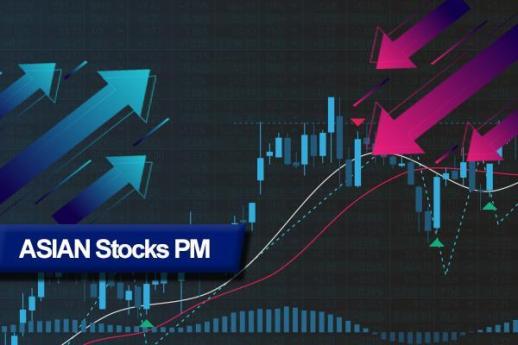 AI infrastructure rally lifts KOSPI to another record SEOUL, May 11 (AJP) - South Korea’s benchmark KOSPI outperformed regional and global peers Monday, surging more than 4 percent to another record high as investors piled into semiconductor and AI infrastructure-related shares despite escalating geopolitical tensions in the Middle East and heavy foreign selling. The benchmark KOSPI closed up 4.3 percent at 7,822.24 after moving between a low of 7,713.49 and a record intraday high of 7,899.30. The rally contrasted with a 0.5 percent decline in Japan’s Nikkei 225, while China’s Shanghai Composite rose 1.03 percent and Hong Kong’s Hang Seng Index traded little changed. Market momentum remained heavily concentrated in semiconductors and AI-linked infrastructure plays. Samsung Electronics jumped 6.3 percent to 285,500 won, while SK hynix soared 11.5 percent to 1,880,000 won ($1,278) as investor appetite for high-bandwidth memory and AI server demand continued to intensify. Investor enthusiasm also spread to AI infrastructure and networking-related names. Optical communication stocks gained 7.6 percent and communication equipment shares climbed 5.9 percent. Among the biggest gainers, Daehan Optical Communication surged 25.1 percent to 27,950 won as expectations grew for a structural increase in global fiber-optic demand tied to AI data center expansion. The company recently completed the acquisition of a 90 percent stake in U.S.-based Encap America, strengthening its foothold in North American power and optical infrastructure markets. Equipment maker Jusung Engineering climbed 17.9 percent to 163,800 won, while SK Square rose 8.1 percent to 1,187,000 won on continued optimism over AI-related portfolio revaluation. Shipbuilding shares also traded firmly after Seoul and Washington moved to deepen bilateral cooperation in the U.S. shipbuilding sector. Samsung Heavy Industries advanced 6.3 percent to 33,950 won after the Korean government said it would establish a Korea-U.S. shipbuilding partnership center in Washington as part of broader industrial cooperation initiatives tied to the so-called MASGA project. Despite the strong rally, foreign investors remained aggressive sellers, unloading 3.48 trillion won ($2.37 billion) worth of KOSPI shares. Retail investors poured in 2.87 trillion won, while institutions bought a net 619.2 billion won worth of shares. Market volatility briefly intensified during early trading, prompting the Korea Exchange to trigger a buy-side sidecar on the KOSPI market at 9:29 a.m. after KOSPI200 futures surged more than 5 percent. In contrast, the tech-heavy KOSDAQ underperformed the main board and ended nearly flat, slipping 0.03 percent to 1,207.3 after moving between 1,190.6 and 1,212.9 during the session. Foreign investors bought a net 116.0 billion won worth of KOSDAQ shares, while retail investors added 85.1 billion won. Institutions, however, sold a net 163.6 billion won, limiting broader upside momentum. Speculative momentum remained concentrated in newly listed and AI infrastructure-related shares. Cosmo Robotics closed at 24,000 won, quadrupling its IPO price of 6,000 won on its KOSDAQ debut. The wearable robotics company drew strong retail demand during last month’s subscription process, which recorded a competition ratio exceeding 1,114.1 to 1. Battery-related shares remained weak despite the broader rally, with EcoPro BM falling 6.5 percent to 222,000 won. Meanwhile, oil prices rebounded sharply as geopolitical tensions in the Middle East escalated. Brent crude futures climbed 3.4 percent to $104.8 per barrel, while West Texas Intermediate crude rose 3.6 percent to $98.9 after U.S. President Donald Trump rejected Iran’s latest response to a U.S. peace proposal and reports emerged of renewed drone attacks near the Persian Gulf. Despite rising oil prices and renewed concerns surrounding the Strait of Hormuz, Korean equities remained largely fixated on AI-driven growth expectations. The Korean won weakened slightly to 1,471.4 per dollar, while the Volatility Index, widely known as Wall Street’s fear gauge, rose 0.6 percent to 17.19. 2026-05-11 17:58:03
 -
 K-pop band NCT to launch 10th anniversary pop-up in Seoul SEOUL, May 11 (AJP) -K-pop band NCT will open a large-scale pop-up event in Seoul starting Friday as part of the group’s 10th anniversary project, SM Entertainment said Monday. The event, titled "NCT 10TH Anniversary pop up : Neo Ground," will run from May 15 to 23 at Pi Factory in Seoul’s Gwangjin District, a district well-known as a hipster area frequented by tourists from around the world. Debuting in 2016, NCT has expanded into multiple sub-units including NCT 127, NCT Dream, WayV and NCT Wish, building one of K-pop’s largest multi-unit group brands with activities spanning global tours, album releases, and fan-focused content. According to SM Entertainment, the pop-up space will be themed around a futuristic sports concept and feature exhibitions, interactive programs, photo zones, and exclusive merchandise tied to NCT’s 10th anniversary campaign. Fans participating in on-site missions will also be eligible to receive commemorative items during the event. Both online pre-reservations and on-site registration will be available, while designated time slots from noon to 1:00 p.m. (0400 GMT) will be reserved for official fan club members of NCT’s various units. The pop-up is part of NCT’s broader "NCT 10TH Anniversary " project, which has been launched under the slogan "Everything, All at Once, Neo." 2026-05-11 17:53:18
 -
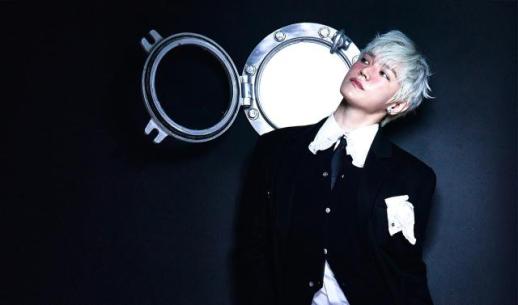 NCT's Taeyong to release first full-length solo album 'WYLD' SEOUL, May 11 (AJP) -Lee Tae-yong, the leader of NCT, will release his first full-length solo album titled WYLD on May 18, SM Entertainment said Monday. The 10-track project marks a significant milestone for the 30-year-old performer who has been a central figure in South Korea's global music expansion since his debut in 2016. The release underscores the artist's creative evolution as a producer and songwriter for both his individual projects and the wider NCT collective. Since beginning his career, Lee Tae-yong has been instrumental in shaping the experimental sound associated with SM Entertainment’s global expansion strategy. The upcoming album features the hip-hop title track WYLD alongside B-side recordings such as the alternative R&B song Mermaid. It also includes 404 Euphoria, a track that continues an ongoing musical concept series that first began with 404 File Not Found in 2023. This song drew significant interest from fans after it was previewed via a video segment during a recent concert tour. Ahead of the launch, a commemorative exhibition for the album will be held from May 16 to 18 at the Hyundai Card Music Library in the Yongsan District of Seoul. Listening sessions are also scheduled to take place at the Hyundai Card Understage on May 16 and 17. 2026-05-11 14:22:37
 -
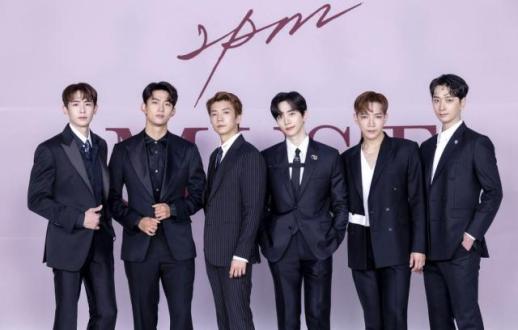 2PM to return with full-group concert in Korea coming August SEOUL, May 11 (AJP) - K-pop group 2PM will return to the South Korean stage as a full six-member act this August for its first domestic solo concert in three years, management agency JYP Entertainment said Monday. The group will hold the 2026 2PM Concert THE RETURN in INCHEON on August 8 and 9 at the Inspire Arena in Incheon. The performances will mark the first solo show in South Korea featuring all six members since September 2023, when the group held a concert to commemorate its 15th anniversary. Debuting in 2008, 2PM became one of the most recognizable male groups in the region with its athletic choreography and signature beast idol image. The group built a large fanbase across Asia through hits such as Heartbeat, Hands Up, and My House. The Incheon concerts were announced during the group's performances in Japan last weekend. The Tokyo Dome shows marked the first time the group had returned to the venue in 10 years following a hiatus for mandatory military service. During the Japanese performances, 2PM played a selection of South Korean and Japanese songs released throughout its career. The event also served to celebrate the 15th anniversary of the group's Japanese debut. The group ended the show with the song I'll Be Back, echoing a promise made during its previous Tokyo Dome concert that it would return to the venue. Further details regarding ticket sales for the Incheon concerts will be released later through the group's official social media channels. 2026-05-11 14:18:07
 -
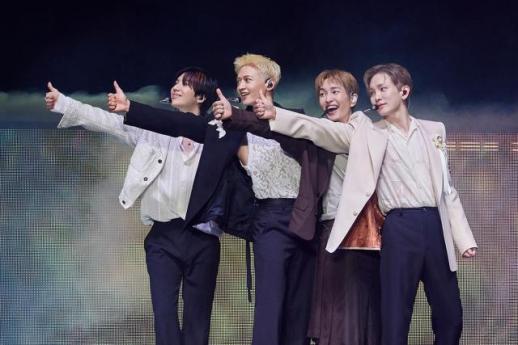 SHINee to return with new EP 'Atmos' on June 1 SEOUL, May 11 (AJP) - SHINee, one of K-pop's most influential bands known for its experimental music and trend-setting performances, will return on June 1 with its sixth mini album “Atmos,” SM Entertainment said Monday. Debuting in 2008 under SM Entertainment as a five-member group, SHINee built a strong global fanbase with hits such as “Replay,” “Ring Ding Dong” and “Sherlock,” while earning recognition for pushing the boundaries of K-pop performance, fashion and contemporary pop sound. The group's six-track EP, including the title song "Atmos," will be released at 6 p.m. (0900 GMT) through major music streaming platforms on June 1. The album marks the band’s first major release in a year following the 2025 single "Poet | Artist." Ahead of the release, SHINee will hold its eighth solo concert series, "The Trilogy I - 2026 SHINee WORLD VIII : ," from May 29 to May 31 at KSPO DOME in Seoul’s Olympic Park. Pre-orders for the album began Monday through online and offline music retailers. 2026-05-11 14:12:50
 -
 JIHYO joins Genevieve on new R&B single 'Hvnly' SEOUL, May 08 (AJP) - JIHYO of K-pop girl band TWICE joined forces with rising U.S. R&B singer Genevieve on the newly released track "Hvnly (feat. JIHYO of TWICE)," expanding the singer’s global collaborative portfolio as TWICE continues its record-setting world tour. The song was officially released Friday as part of Genevieve’s deluxe album "CRYSALIS (CODA)." The track is a remix version of Genevieve’s earlier song "Hvn High," reinterpreted as an alternative R&B-pop track layered with soulful vocals from both artists. Genevieve, known among Korean listeners for songs such as "Love Quotes" and "Baby Powder," has been gaining attention in the U.S. R&B scene for her atmospheric vocal style and genre-blending sound. The collaboration with JIHYO drew attention from both K-pop and international R&B listeners ahead of the release. JIHYO, the leader and main vocalist of TWICE, debuted as a solo artist in August 2023 with her first mini album ZONE. TWICE, a nine-member girl group formed by JYP Entertainment, debuted in 2015 and rose to global fame with hit songs such as Cheer Up, TT and Feel Special, becoming one of the most commercially successful K-pop acts of their generation. The album showcased her stronger R&B and pop influences while highlighting her vocal versatility beyond the group’s signature sound. She has also participated in several soundtrack projects, including Stardust love song for the tvN drama "Twenty-Five Twenty-One" and "TAKEDOWN" for Netflix’s "KPop Demon Hunters OST" lineup. The latest collaboration comes as TWICE continues its sixth world tour, "THIS IS FOR," the group’s largest global tour to date. The nine-member act recently became the first K-pop group and the first overseas artist to headline solo concerts at Japan’s National Stadium in Tokyo, drawing around 240,000 fans across three shows in April. The group also wrapped up a major North American leg earlier this year, attracting roughly 550,000 attendees across 35 concerts in 20 cities, according to JYP Entertainment. The company described the tour as the largest North American turnout ever achieved by a K-pop girl group. TWICE is set to continue the European leg of the tour beginning Friday in Lisbon. 2026-05-08 18:07:00
 -
 KOSPI closes at fresh record as Korea defies broader Asia weakness SEOUL, May 08 (AJP) - South Korea's benchmark KOSPI index closed at an all-time high for a fourth consecutive session on Friday. Domestic investors absorbed a significant sell-off by foreign funds as geopolitical tensions in the Middle East rattled regional markets. The index edged up 0.1 percent to finish at a record 7,498.0. It fluctuated during the day between a low of 7,318.96 and an intraday record of 7,511.01. Regional sentiment soured following reports of renewed military clashes between the United States and Iranian forces near the Strait of Hormuz. The escalation weighed on Wall Street overnight, with the Dow Jones Industrial Average sliding 0.6 percent and the S&P 500 declining 0.4 percent. Foreign investors sold a net 5.59 trillion won (3.81 billion dollars) of KOSPI shares, marking a flight toward safe-haven assets. Domestic retail and institutional investors countered the trend by purchasing 3.98 trillion won and 1.55 trillion won, respectively. Technology shares were mixed as global demand for artificial intelligence components provided a buffer against broader market volatility. Samsung Electronics fell 1.1 percent to 268,500 won, while SK hynix gained 1.9 percent to close at 1,686,000 won. Automobile and robotics companies led the session's gains as investors shifted toward physical AI technologies. Hyundai Motor surged 7.2 percent to 613,000 won after its robotics affiliate, Boston Dynamics, released footage of the Atlas humanoid robot performing advanced movements. The momentum extended to infrastructure and software firms within the automotive ecosystem. Hyundai AutoEver and Gaon Cable both surged 30 percent to close at 592,000 won and 477,000 won, respectively. Industrial and energy sectors saw profit-taking following recent rallies. SKC plunged 8.2 percent to 159,900 won, while Samsung Heavy Industries dropped 5.2 percent to 31,950 won and Doosan Enerbility fell 5.0 percent to 129,600 won. The tech-heavy KOSDAQ index rose 0.7 percent to close at 1,207.7, outperforming the main board. Foreign investors were net buyers on the secondary market, adding 404.4 billion won worth of shares. Other regional markets struggled, with Japan's Nikkei 225 slipping 0.2 percent to 62,713.7. Hong Kong's Hang Seng Index fell 0.8 percent to 26,413.5 as concerns over energy disruptions persisted. The South Korean won weakened 0.8 percent to 1,469.1 per dollar amid the rising geopolitical uncertainty. In the energy market, West Texas Intermediate crude gained 0.4 percent to end at 95.1 dollars. 2026-05-08 17:24:43