
Journalist

AJU PRESS Visuals Team
jungu141298@ajupress.com
-
 Giant rice cake prepared by locals ahead of Lunar New Year SEOUL, January 16 (AJP) - Merchants and other participants gathered to make giant rice cakes at an event held at an open-air market in Suwon, Gyeonggi Province on Friday, about a month ahead of the Lunar New Year's Day. The charity event was arranged to distribute the chewy rice cakes to those in need. South Koreans traditionally start the New Year by eating a soup made with these rice cakes, known as "tteokguk," to wish for health and longevity. 2026-01-16 17:59:19
 -
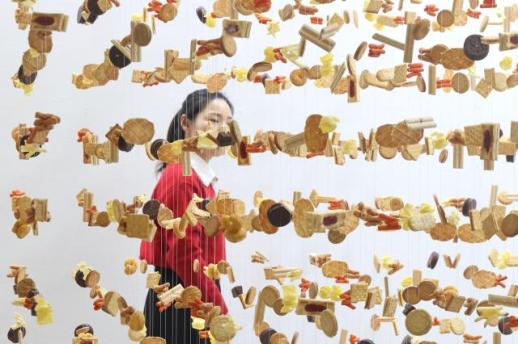 Thousands of sculptures on display at annual art fair in Seoul SEOUL, January 15 (AJP) - The annual Seoul International Sculpture Festa kicked off its monthlong run at COEX in Samseong-dong, southern Seoul on Thursday. Now in its 15th year, the event is solely dedicated to exhibiting sculptures, drawing numerous art enthusiasts every year. This year's exhibition features around 2,000 works from approximately 480 artists. 2026-01-15 16:48:59
 -
 PHOTOS:Crowds flock to ice festival in Hwacheon Hwacheon, January 14 (AJP) - On a white canvas of snow-covered ice, hundreds of people hunched over holes drilled into the frozen river, their fishing lines disappearing into the dark waters below. Despite temperatures plunging to -14 degrees Celsius and heavy snowfall, crowds gathered from early morning last Monday, just days after the annual mountain trout-themed Sancheoneo Ice Festival kicked off last weekend. Around 10 a.m., parking lots near the entrance to the festival site were already packed. Visitors from all over the country, armed with thermos flasks and hand warmers stuffed into bags and bundled in heavy winter gear, took their spots on the ice. The sprawling fishing area, covering about 30,000 square meters, features more than 20,000 fishing holes drilled through ice more than 30 centimeters thick. People clutched fishing rods in one hand while holding plastic bags for their catch in the other. Around noon, large snowflakes began to fall, and visibility dropped suddenly, but many of the visitors endured it, with their eyes fixed on their fishing lines. Another fishing area for bare-hand fishing also greeted visitors. Inside a circular pool filled with water, sancheoneo swam in circles. Participants changed into short-sleeved shirts and shorts provided by festival organizers, then waited for their turn. The sight of people lined up in summer clothing in -15-degree weather was enough to make onlookers shiver. Without hesitation, they plunged into the icy water, thrusting their arms deep as they chased the quick-moving fish. Minutes later, shivering but triumphant, they hurried to nearby foot baths, sinking their frozen feet into the hot water and feeling relief wash over them. Various other amusements like sledding also await visitors. They can look at massive ice sculptures while participating in hands-on activities like making traditional snacks. There are also food stalls offering various preparations of sancheoneo - grilled, raw, or fried, providing savory delights for weary visitors after a long day of fishing. As the sun set, most visitors packed up and left, but hundreds of others arrived late, eager to compete for gold prizes awarded to those with the largest catch. Unlike the family-friendly atmosphere of the morning and afternoon fishing hours, the competition, which kicked off at 7 p.m., attracted what seemed to be seasoned anglers equipped with specialized rods, lighting, and various professional gear. The festival, now in its 21st year, runs until the first day of February and continues to attract hundreds of visitors each year. 2026-01-14 18:05:59
 -
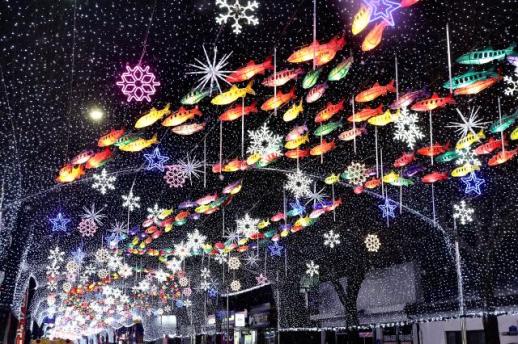 Ice fishing at day and light festival at dark at Hwacheon SEOUL, January 13 (AJP) -A small borderland county of some 20,000 residents readies itself each winter for a global influx of visitors, as Hwacheon opens its doors to the world-famous Ice Fishing Festival. The first glow appears on Seondeung Street, the gateway to Hwacheon-gun in Gangwon Province. Lined with some 27,000 handcrafted mountain-trout lanterns and LED lights, the street becomes a river of light at dusk. Each lantern is made of hanji, traditional Korean paper, painted with trout motifs and crafted over the past year by about 120 elderly residents from five local townships — a quiet collective effort that turns into a dazzling public spectacle. On Saturdays during the festival, from 6 p.m. to 8:30 p.m., traffic is halted and the Seondeung Street Festival takes over. K-pop cover dances, pop-up dance battles, DJ sets, magic, bubble and fire shows animate the street, while visitors drift between park-golf experiences, luck games, tarot readings and face painting. Seondeung Street lights up daily from 5:30 p.m. to 11 p.m., continuing through Feb. 8 — a winter night market where handmade lanterns, local rhythms and cold mountain air welcome winter guests long after the sun goes down. 2026-01-13 17:07:20
 -
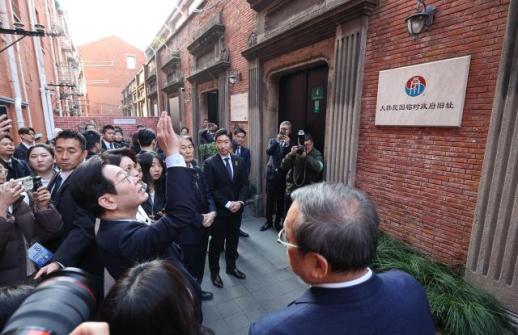 Lee attends 100th anniversary of Provisional Government building in Shanghai SEOUL, January 09 (AJP) - President Lee Jae-myung and first lady Kim Hye-kyung visited the Provisional Government of the Republic of Korea Memorial Hall in Shanghai on January 7 (local time) to attend the "100th Anniversary Ceremony of the Government Building Establishment." Before the ceremony began, the president observed a moment of silence and laid flowers at the bust of Kim Gu. He then toured Kim Gu's office and listened to explanations about the anti-Japanese resistance movement. In the guestbook, he wrote, "We, the people of the Republic of Korea, will surely protect this place where the Republic of Korea began." This year marks the 100th anniversary of the establishment of the Provisional Government building in Shanghai and the 150th anniversary of the birth of independence leader Kim Gu. 2026-01-09 17:42:58
 -
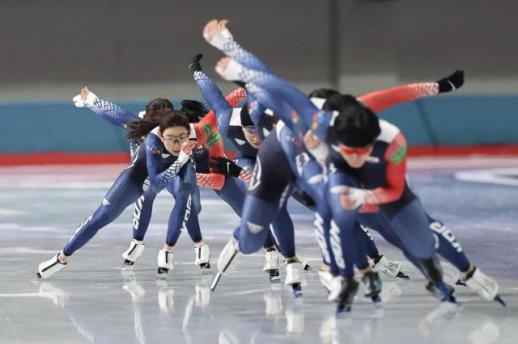 Korean skaters prepare for Milano Cortina 2026 Winter Olympics SEOUL, January 09 (AJP) - 2026-01-09 16:14:27
 -
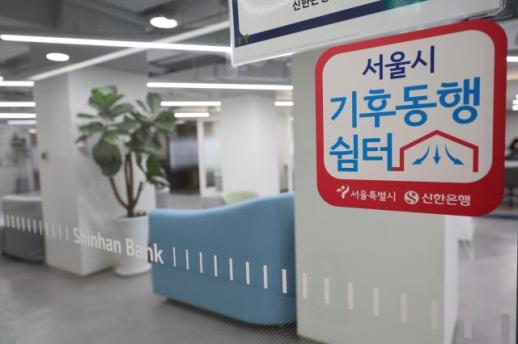 Seoul opens 'climate shelters' for rest during extreme weather SEOUL, January 08 (AJP) - Seoul has rolled out a network of “Climate Companion Shelters” to protect residents from extreme weather, offering rest and evacuation spaces during cold waves and heat waves. The program aims to reduce weather-related health risks by providing easily accessible refuges across the city. The city has established 450 shelters in partnership with the private sector, focusing on facilities commonly used in daily life, including convenience stores, banks and mobile phone retail outlets. The locations include 34 convenience stores, 192 Shinhan Bank branches and 224 KT retail stores. Residents can enter the facilities during normal business hours to warm up or cool down, or to take a short break. Some locations also offer seasonal amenities, such as hand warmers during winter and umbrellas during the rainy summer months. 2026-01-08 17:59:19
 -
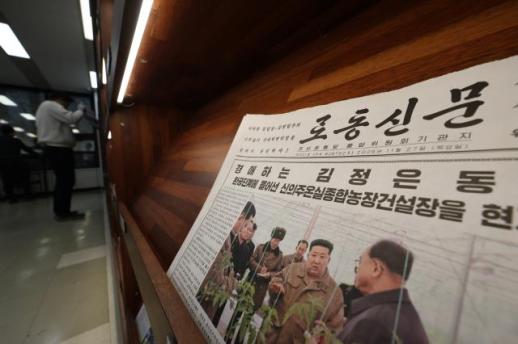 North Korea's Rodong Sinmun becomes accessible in South Korea SEOUL, January 08 (AJP) - Rodong Sinmun, the official newspaper of the Workers' Party of Korea, has been reclassified from "special materials" to "general materials," making it accessible without identity verification or special procedures. The newspaper, classified as subversive publication in 1970, can now be viewed at the National Assembly Library, National Library of Korea, national university libraries, and the Ministry of Unification's North Korean Materials Center. Copying is also freely permitted. 2026-01-08 17:58:08
 -
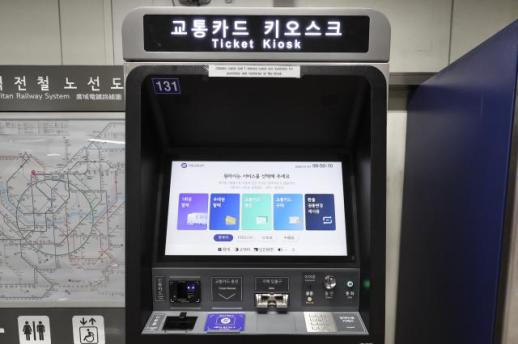 Seoul subways go fully self-service on fares SEOUL, January 07 (AJP) - Seoul Metro announced on January 6 that it has completed the installation of 440 new transportation card kiosks across all 273 stations on Lines 1-8, marking the first upgrade in 17 years since the introduction of cash-only machines in 2009. The new kiosks now accept credit cards and mobile payment methods including KakaoPay and Naver Pay for purchasing and recharging single-journey tickets, monthly passes, and Climate Companion Cards. The number of available card types has expanded from one disposable option to five varieties including the Climate Companion Card. Passengers can now independently process refunds for single-journey and monthly passes, change prepaid card types, and re-register lost or stolen public transportation safety cards—services that previously required staff assistance. Seoul Metro emphasized accessibility improvements for transportation-vulnerable users, incorporating standards from the Disability Discrimination Act. The kiosks feature screens and control panels positioned within 1,220mm from the floor for wheelchair users and children, along with a low-screen mode. Additional features include braille keypads, audio guide headphone jacks for the visually impaired, and simplified interfaces with large text for elderly and low-vision users. 2026-01-07 16:01:31
 -
 PHOTOS:Cinematic society bids farewell to late actor Ahn Sung-ki SEOUL, January 07 (AJP) - A memorial space honoring the late actor Ahn Sung-ki has been opened at the Seoul film center in Jung-gu, Seoul, and will operate from January 6 to 8. The space is open daily from 10 a.m. to 6 p.m., allowing citizens to freely pay their respects. Ahn Sung-ki made his debut in the film industry at the age of five through director Kim Ki-young's film "Twilight Train" in 1957. Over six decades, he appeared in more than 170 films and is regarded as a pillar of Korean cinema history. He led the Korean film industry through major works including "Whale Hunting," "Chilsu and Mansu," "Two Cops," "Taebaek Mountains," "Silmido," and "Radio Star." Ahn Sung-ki passed away at the age of 74 on the morning of January 5 at the intensive care unit of Soonchunhyang University Hospital in Yongsan-gu, Seoul. 2026-01-07 15:58:40