
Journalist

Kim Hee-su, Han Jun-gu
khs@ajupress.com
-
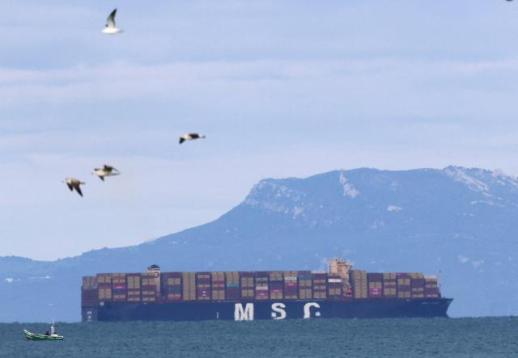 Little-known Korean tanker bet pays off as Hormuz crisis turns VLCCs into liquid gold SEOUL, March 24 (AJP) - A little-known South Korean shipowner has emerged as one of the biggest winners of the Persian Gulf crisis, as a wartime chokehold on the Strait of Hormuz transforms oil tankers into highly profitable floating storage — and draws takeover interest from the world’s largest container carrier. Janggeum Maritime, the tanker arm of Sinokor Merchant Marine Group, has struck an investment deal with Geneva-based Mediterranean Shipping Company (MSC), under which the global shipping giant is seeking to acquire a 50 percent stake in the firm. The two sides have signed an agreement and filed for merger approval with South Korea’s Fair Trade Commission, as well as regulators in Greece and Cyprus. Details of the deal including financial terms were not disclosed. The deal comes as Janggeum Maritime rides an extraordinary windfall from a market dislocation triggered by war in the Middle East. With the Strait of Hormuz effectively crippled following U.S.-led strikes on Iran in late February, crude exports from key Gulf producers have plunged while onshore storage capacity has rapidly filled. That imbalance has pushed global oil majors and traders to charter very large crude carriers (VLCCs) as floating storage units, sending demand — and earnings — sharply higher. Floating storage in the region has surged from around 10 million barrels before the conflict to more than 50 million barrels, according to Reuters. Over the same period, crude exports from eight Middle Eastern countries dropped from 25.13 million barrels per day to 9.71 million barrels. Janggeum Maritime moved early. The company had aggressively expanded its fleet of secondhand VLCCs ahead of the conflict — a strategy that is now paying off. Since late December, Sinokor has been linked to the purchase of 29 VLCCs built between 2010 and 2016, paying between $68 million and over $100 million per vessel, well above benchmark valuations, according to a Lloyd’s report. The acquisitions included eight vessels from John Fredriksen’s Frontline, six from Belgium’s CMB.Tech, three from the UK’s Zodiac Maritime, and two from New York-listed International Seaways. Other reported sellers include Greece’s Marinakis Group, George Economou’s TMS Tankers and Chandris Group. Industry insiders say the nature of those purchases offered an early clue. “Buying older VLCCs — especially without scrubbers — is a strong signal they’re intended for storage rather than transport,” a shipping source said. “Fuel efficiency matters less when vessels are anchored.” That strategy was reinforced in late January, when the company pre-positioned at least six empty tankers in the Persian Gulf. When the conflict escalated on Feb. 28 and shipping routes tightened, oil companies scrambled to secure storage — and Janggeum was already in place. The payoff has been dramatic. The company is now estimated to be earning about $500,000 per day per vessel from floating storage leases — up from $30,000–40,000 a year ago, $70,000–80,000 in late February, and even above the roughly $400,000 currently earned on key Middle East–Asia transport routes. With MSC entering the picture, Janggeum Maritime is now looking beyond opportunistic gains. The tie-up is aimed at diversifying into broader shipping operations by leveraging MSC’s global container network, potentially transforming the tanker-focused firm into a more integrated maritime player. Janggeum Maritime declined to comment on its fleet acquisitions and VLCC strategy. MSC did not respond to requests for comment. 2026-03-24 17:23:37
 -
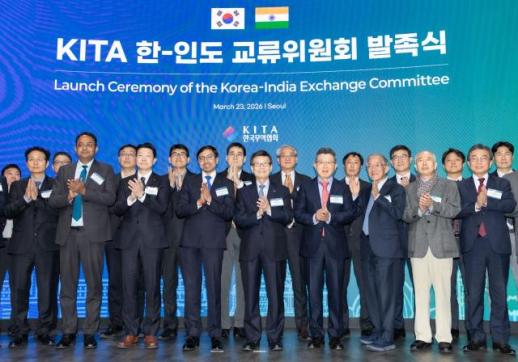 KITA launches Korea-India Exchange Committee to boost business cooperation SEOUL, March 24 (AJP) - The Korea International Trade Association (KITA) announced Tuesday that it has launched the Korea-India Exchange Committee in Seoul to strengthen bilateral economic cooperation. The committee will operate through two groups: an India committee within KITA comprising 28 Korean companies either operating in or seeking entry into India, and a Korea committee under the Confederation of Indian Industry (CII), made up of Indian companies interested in expanding into South Korea. Founded in 1895, CII is India’s largest private-sector business organization, representing more than 360,000 member companies. Around 30 representatives attended the launch ceremony, including KITA Chairman Yoon Jin-sik, Indian Ambassador to South Korea Gourangalal Das, and officials from participating firms such as Meta Biomed, Shinhan Bank, LG Electronics, YG-1, Jusung Engineering, Hana Bank, Hyundai Motor, and Hyosung Heavy Industries. In his opening remarks, Yoon described India as a rapidly growing global manufacturing hub. “India is the world’s fourth-largest economy and is expected to enter the top three within the next three years,” he said. “We hope the Korea-India Exchange Committee will serve as a practical communication channel at the private-sector level and play a key role in elevating bilateral economic cooperation.” Ambassador Das also emphasized the potential for stronger bilateral ties, noting that South Korea is an important strategic partner for India, particularly in manufacturing and advanced technology sectors such as semiconductors, shipbuilding and defense. During an expert session, Korea Institute for International Economic Policy (KIEP) researcher Kim Kyung-hoon presented on recent trends in Korea-India economic cooperation. Kim highlighted India’s role as a key production base for automobiles, smartphones and home appliances, while noting that South Korea’s exports and investment in India remain at about 30 percent and 20 percent, respectively, compared with Vietnam. “This paradoxically suggests significant potential for expanding economic cooperation between the two countries,” he said. The committee plans to co-host the 9th Korea-India Business Forum with CII in the second half of this year to strengthen business partnerships and discuss trade and investment cooperation. KITA also said it will enhance support for Korean companies operating in India through its New Delhi office, which serves as the secretariat for the Korean Chamber of Commerce in India. The office will share information on local regulations and help relay business difficulties — including customs, certification and incentive delays — to the government. 2026-03-24 13:14:23
 -
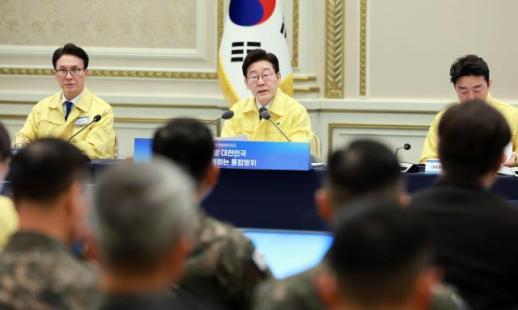 President Lee vows self-reliant defense amid Middle East tensions SEOUL, March 23 (AJP) - President Lee Jae Myung said Monday that self-reliant defense is the core of South Korea’s integrated defense strategy, citing increasingly complex and fluid global security conditions. “Self-reliant defense is the most important core of integrated defense,” Lee said while presiding over the 59th Central Integrated Defense Council at the Cheong Wa Dae in Seoul. The council, held annually, brings together senior officials across various national defense sectors to assess the country’s integrated defense posture and discuss ways to strengthen it. This marked the first such meeting since Lee took office. Lee stressed that ensuring public safety, maintaining everyday stability and safeguarding national continuity are the fundamental responsibilities of the government. “The most critical aspect of national security is ultimately our integrated defense capability, and at its core lies national defense,” he said. He emphasized that defense must remain a sovereign responsibility. “It is something we must never entrust to others, a core responsibility we must ultimately bear ourselves,” Lee said. “We must be able to protect ourselves under any circumstances without relying on external assistance.” Lee highlighted South Korea’s defense capabilities, noting that the country’s annual defense spending is about 1.4 times North Korea’s gross domestic product and that it ranks fifth globally in military strength. “With an economy among the top 10 globally and a defense industry envied worldwide, we have sufficient capacity to defend ourselves without external support,” he said. He called on officials to strengthen preparedness and maintain confidence, urging them to build systems capable of ensuring national defense under any conditions. Lee also underscored the importance of coordination among civilian, military, police and emergency response sectors. Regarding global tensions, including the conflict involving the United States, Israel and Iran, Lee described the international situation as “highly complex and fluid.” He warned that threats now extend beyond conventional military risks to include cyberattacks, terrorism, climate-related crises and disasters. “In such an environment, all elements of defense must respond in a unified and coordinated manner in times of emergency,” he said. 2026-03-23 17:24:32
 -
 BTS Live: Global fans throng merchandise booths as BTS prepares return SEOUL, March 21 (AJP) - Fans from across the globe gathered at official BTS merchandise booths in central Seoul on Saturday, marking a festive prelude to the first major performance by the group following a prolonged hiatus. The process for purchasing items, including a new lightstick for the seven-member group, was governed by a strict reservation system to manage crowds and prevent unauthorized resale. Lana Ro, 25, from Russia, bought two lightsticks—one for herself and one for her friend. Having followed the group for three years, she focused on the specific design of the items. "I bought a special edition of the lightstick just now," she said. She also selected apparel in various colors. "These are T-shirts in different colors. I bought one white and one red," she said. The scene near the stalls remained orderly as fans of different ages and nationalities waited to buy exclusive merchandise ranging from apparel to limited-edition collectibles. While there were no long lines due to the reservation system, the area remained active with fans taking photos and exchanging small gifts. Adriana, an American teaching in Seoul for six months, was among those who secured a large volume of products. She moved through the area holding a full load of items in both hands, representing the diverse demographic that has traveled to the capital for the event. The atmosphere remained focused on the shared experience of the fandom and the tactile connection to the group through these products. Ami Ostrovskaia, 23, from Russia, has been a fan of the group for six years. On Saturday, she limited her purchase at the booth to a single item. "I only bought a lightstick today. We will go to the pop-up store in Shinsegae Department Store," she said. For Ostrovskaia, who was interested in a wider range of apparel, the cost of the clothing kept her from a shopping spree. Each T-shirt at the booth is priced at 59,000 won. Ostrovskaia expressed a particular interest in the designs featuring the members, but had to hold back due to her budget. "I like the T-shirt with black-and-white photos of the seven members. I want to have each one of them, but I don’t have enough money," she said. Despite the financial considerations, she described her connection to the group as a personal support system. Showing a tattoo related to her fandom, she explained the role the members have played in her life. "I think it’s because they’re always saving me when I go through really rough times. They’re always there to help me, to listen to me," she said. The booths are scheduled to remain open throughout the evening as the city prepares for the start of the performance. 2026-03-21 19:31:39
 -
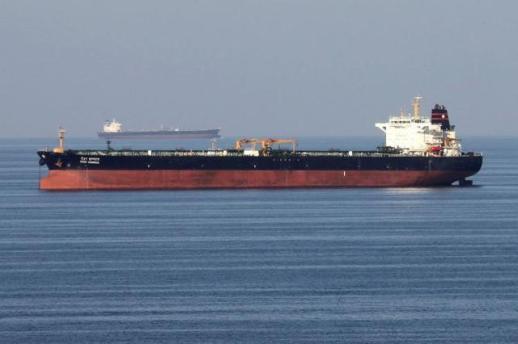 Last tanker to clear Hormuz before closure arrives in Korea SEOUL, March 20 (AJP) - A crude oil tanker that narrowly passed through the Strait of Hormuz before Iran’s closure has arrived in South Korea on Friday, raising concerns over potential supply disruptions. The government and the refining industry are bracing for a worsening supply situation, viewing the vessel as the last shipment to clear the strait before the blockade took effect. According to industry sources, the tanker Eagle Vellore arrived at the Port of Daesan in Seosan, South Chungcheong Province, between 5 p.m. and 7 p.m. on Friday. The Malaysia-flagged very large crude carrier (VLCC) departed from Iraq’s southern port of Al-Basra in late February, carrying crude oil for HD Hyundai Oilbank, and managed to escape the Strait of Hormuz just before Iran imposed its blockade. The vessel left Al-Basra on Feb. 26 and was transiting the strait two days later, when U.S. and Israeli airstrikes on Iran took place. Despite warnings from Iran’s Islamic Revolutionary Guard Corps that passage through the strait would not be allowed, the crew accelerated to full speed and managed to exit the waterway shortly before it was effectively sealed off. With the strait now closed, the Eagle Vellore is believed to be the last crude carrier to have passed through the route. The tanker is carrying about 2 million barrels of crude oil, roughly equivalent to South Korea’s daily oil consumption. The shipment, contracted by HD Hyundai Oilbank, will be unloaded and stored in tanks before being refined at the Daesan petrochemical complex. With around 70 percent of South Korea’s crude imports passing through the Strait of Hormuz, prolonged disruption is expected to significantly affect supply. Domestic refiners are already facing a near halt in tanker arrivals from April, leaving them little choice but to rely on existing inventories for the time being. The government has secured 24 million barrels of crude oil from the United Arab Emirates, but it is expected to take considerable time before the shipments arrive in Korea. In response, Seoul is also exploring the possibility of resuming imports of Russian crude oil for the first time in nearly four years since April 2022. The government is additionally weighing the release of 22.46 million barrels of strategic reserves in coordination with the International Energy Agency, though it remains cautious about taking that step. 2026-03-20 17:18:09
 -
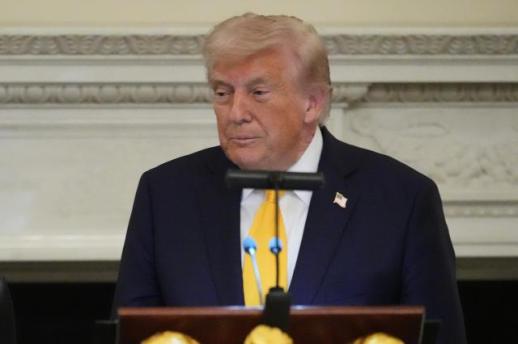 Korea stays out of joint statement by US allies condemning Iran SEOUL, March 20 (AJP) - South Korea signaled strategic caution by staying out of a joint statement by key U.S. allies, condemning Iran over its effective closure of the Strait of Hormuz while stopping short of committing to the U.S. call for naval support in the region. warships to the crippled waterway. A foreign ministry official said Friday that Seoul is “well aware of the situation” regarding the joint statement by the United Kingdom, France, Germany, Italy, the Netherlands, Japan, and Canada condemning Iran, adding that the government “plans to review the matter while taking various factors into consideration.” The statement was initially issued by six countries. Canada joined later. “We condemn in the strongest terms recent attacks by Iran on unarmed commercial vessels in the Gulf, attacks on civilian infrastructure including oil and gas installations, and the de facto closure of the Strait of Hormuz by Iranian forces,” the seven countries said in the statement. They warned that such disruptions to international shipping and the global energy supply chain pose “a threat to international peace and security,” and urged Iran to immediately cease attacks on civilian infrastructure, including oil and gas facilities. The statement also called for an end to attacks on commercial vessels, as well as the laying of mines and the use of drones and missiles. In addition, the countries expressed readiness to “contribute to appropriate efforts to ensure safe passage through the Strait,” while saying they would welcome participation from other countries. The Strait of Hormuz, through which roughly 20 percent of global oil shipments pass, is a critical maritime chokepoint. Tensions have surged as Iran, currently in conflict with the United States and Israel, moves to restrict traffic in the area, raising concerns over a global energy crisis. The joint statement is widely seen as an effort to ease tensions with U.S. President Donald Trump, who has reportedly voiced frustration over allies’ reluctance to deploy naval assets. Notably, however, the statement did not include any commitments related to military support, such as dispatching warships. Foreign Minister Cho Hyun also declined to disclose details of diplomatic communications, saying “it is difficult to reveal the contents of discussions conducted through diplomatic channels.” Speaking at a parliamentary session on Tuesday, he gave an ambiguous response when asked whether the United States had formally requested the deployment of naval forces. “It could be seen as a request, or not,” Cho said. He said the government would prioritize national interests and the safety of its citizens. However, as other U.S. allies move swiftly to align with Washington, questions remain over how long South Korea can maintain this cautious posture. The pressure comes after Trump said on Truth Social on March 14 that he would ask five countries to send warships to the region to keep the Strait of Hormuz “open, safe and free,” before later expanding the request to include two more. 2026-03-20 15:09:16
 -
 GULF CRISIS: Hormuz as much insurance chokepoint as energy lifeline SEOUL, March 19 (AJP) - The Strait of Hormuz is not just a chokepoint for global energy flows, but for insurance that is turning pricier every day from the protracted suspension and growing risk. Ships do not pass through Hormuz simply because sea lanes are physically open. They move only when insurers are willing to price and underwrite the risk. That makes U.S. President Donald Trump’s proposal to provide war-risk insurance more than a shipping support measure. It is an attempt to stabilize the commercial logic that keeps oil flowing. In that sense, the emerging blockade is not purely military. It is financial as well — shaped as much by underwriting decisions as by missiles or mines — and increasingly dependent on who controls the information used to assess risk. U.S. President Donald Trump’s proposal to offer war-risk insurance for ships transiting the Strait of Hormuz is being presented as an effort to keep oil and cargo moving. But the move also reveals a deeper reality: in a modern maritime crisis, control over insurance — and over the information used to price danger — can matter almost as much as control over the waterway itself. The Strait of Hormuz is usually described in military terms, as a narrow corridor vulnerable to missiles, drones and naval confrontation. Yet shipping executives and insurers note that trade through the strait depends not only on naval protection but also on whether underwriters are willing to cover the voyage. In that sense, Hormuz is not just a military chokepoint. It is also an insurance chokepoint. That helps explain why Trump’s push matters even if it does not fundamentally remake the market. War-risk insurance is typically underwritten through a network of private insurers and reinsurers, many of them operating through Lloyd’s of London. Premiums are rarely withdrawn outright at the first sign of danger. More often, they are repriced sharply as risks rise, and that repricing can become a powerful barrier to trade. The shift is already visible in the numbers. Hormuz is fast turning into one of the world’s most expensive waterways as war-risk premiums surge multiple times over prewar levels. For some tankers, a single transit now carries insurance costs in the hundreds of thousands — or even millions — of dollars. According to broker Marsh, premiums for war damage coverage in the region have risen from about 0.25 percent of a vessel’s value to as high as 1 to 1.5 percent, with some deals even higher. For tanker operators, the question is no longer just whether a ship can physically pass through the strait, but whether the economics of doing so still make sense. From the perspective of the insurance industry, Trump is stepping into an existing market rather than creating a new one. “Every large loss already needs reinsurance,” a Korean Re executive said. Most vessels transiting Hormuz already rely on some layer of reinsurance from global players. The U.S. plan, in that sense, would sit on top of an existing structure rather than replace it. Still, the proposal matters because insurance is not simply a matter of capital. It is also a matter of confidence. Underwriters price risk based on the information they trust, and the marine insurance market has long relied on London as one of its central benchmarks for judging danger. The issue is not merely whether risk exists, but whether it can still be measured with enough confidence for commerce to continue. That is where the current crisis points to something larger than shipping. Much of the insurance market’s pricing power has historically rested on access to trusted information, whether from commercial intelligence, maritime monitoring or the broader Western security ecosystem. Insurers do not usually gather battlefield intelligence on their own. They inherit risk signals from the system around them. If those signals become less reliable, the implications spread quickly. Premiums rise not only because ships are in more danger, but because the market becomes less certain about how to interpret that danger. In that sense, the Strait of Hormuz is becoming a test not only of naval deterrence but of informational credibility. That, in turn, links the insurance story to a broader geopolitical question: alliance cohesion. Recent political signals have raised questions about the state of transatlantic coordination. U.K. Prime Minister Keir Starmer said Britain was not involved in the initial U.S. strikes on Iran and would not join offensive operations, while officials in London indicated they were not part of final U.S. deliberations. Even without any public breakdown in intelligence cooperation, such signals can feed doubts about whether the benchmarks that underpin global risk pricing still hold. If London is no longer fully aligned with Washington, the informational edge long associated with London-centered underwriting could come under pressure. Seen from Seoul, Trump’s insurance initiative looks more symbolic than transformative. A Korean Re executive said the impact on the global market would likely be limited, perhaps easing premiums slightly at the margin but not changing the basic fact that most vessels are already covered through existing structures. The deeper problem is that no government backstop can fully resolve a crisis of immeasurable risk. Public support can help absorb losses. It cannot by itself restore confidence if the market believes the threat environment is too unstable to price. “In a war, you cannot say with confidence that coverage will remain stable,” the executive said. South Korea is not entirely removed from these dynamics. Samsung Fire & Marine Insurance holds a significant stake in Canopius, a major insurer operating within the Lloyd’s market, making it the only Korean firm with direct exposure to this system. A Samsung Fire & Marine Insurance official said, “We are closely monitoring the current situation, but so far, neither Canopius nor we have received any reports of losses or claims.” What is unfolding in Hormuz, then, is not just a story about ships, missiles or insurance contracts. It is a story about who gets to define risk in a crisis — and how that power can shape the flow of global trade. The waterway remains a geopolitical battleground. But it is also something else: a market test of whether insurers, governments and allies still share the same picture of danger. If they do not, the real disruption may come not only from attacks at sea, but from the quiet recalculations made in underwriting rooms far from the Gulf. 2026-03-19 17:04:30
 -
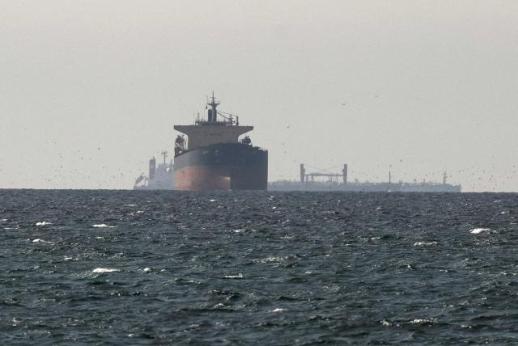 UAE pledges priority oil supply to Korea amid global supply concerns SEOUL, March 18 (AJP) - The United Arab Emirates (UAE) has pledged to prioritize crude oil supply to South Korea amid global supply uncertainties, Seoul’s presidential office said Wednesday. Presidential Chief of Staff Kang Hoon-sik, who returned earlier in the day from a visit to the UAE as a special envoy of President Lee Jae Myung, told a briefing that Abu Dhabi had assured Seoul it would be given top priority in crude shipments. “The UAE made it clear that no country will receive oil ahead of South Korea. Korea is their number one priority in crude supply,” Kang said. The two sides also agreed to allow South Korea to make emergency crude purchases from the UAE whenever necessary, he added. As part of the agreement, Seoul secured an additional 18 million barrels of crude oil through multiple supply channels. Of the total, 6 million barrels will be transported by three UAE-flagged tankers, while another 12 million barrels will be shipped via six South Korean vessels. An additional tanker carrying naphtha is currently en route to South Korea, Kang said. The latest deal follows an earlier emergency purchase of 6 million barrels from the UAE, bringing the total secured volume to 24 million barrels. The move comes amid rising tensions involving Iran, which have heightened concerns over the security of maritime traffic through the Strait of Hormuz — a critical chokepoint for global oil shipments. The escalating geopolitical risks have fueled uncertainty in global energy markets, prompting countries heavily reliant on Middle Eastern crude to secure alternative or emergency supplies. South Korea, which depends on imports for the vast majority of its energy needs, is particularly vulnerable to disruptions in Middle Eastern supply routes. The UAE has long been one of Seoul’s key crude suppliers, with bilateral energy cooperation further strengthened through strategic projects such as the Barakah nuclear power plant. Kang said the agreement is expected to help stabilize the domestic oil supply amid ongoing uncertainties. Beyond short-term supply measures, the two countries also agreed to strengthen long-term cooperation to guard against potential disruptions in energy supply chains. They plan to sign a memorandum of understanding (MOU) on crude supply chain cooperation in the near future, which will include efforts to explore alternative supply routes and enhance joint response mechanisms in times of crisis. 2026-03-18 14:21:25
 -
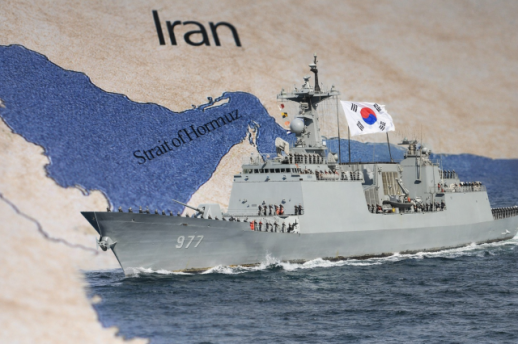 GULF CRISIS: Korean naval ability to answer Trump's Hormuz call in doubt SEOUL, March 17 (AJP) - U.S. President Donald Trump made pretty much clear that Washington expects South Korea to join escort operations in the Strait of Hormuz, but defense experts doubt the country's navy capabilities can meet the call. Iran’s Islamic Revolutionary Guard Corps has attacked at least 10 vessels, including tankers and tugboats, using missiles and surface drones, and threats to strike any attempting to pass the waterway off Iran coastline. A strategic chokepoint between Iran to the north and Oman to the south, the Strait of Hormuz is just 30 kilometers at its narrowest point. Much of the cargo that passes through it is bound for South Korea, Japan, China and India, which together account for roughly 70 percent of global output. With Tehran effectively treating the closure of the strait as a fait accompli, oil-producing nations and the global shipping industry have begun suspending operations or seeking alternative routes. The main threat to tankers and escorting warships comes from land-based anti-ship missiles and suicide drones, experts say. While much of Iran’s conventional naval and air assets, along with some missile bases, have reportedly been put out of action by successive U.S. and Israeli strikes, there is a broad consensus that not all launch sites have been eliminated. At sea, Iran’s forces are limited to small boats and unmanned surface vessels. Even if these assets attempt to lay mines or carry out surprise attacks, modern naval forces are capable of detecting and neutralizing such threats, experts say. But without neutralizing Iran’s dispersed coastal missile batteries and long-range drone platforms, simply reinforcing naval escort operations would leave U.S. and allied ships operating for weeks or even months under persistent aerial threats. “As long as land-based threats remain, maritime escort operations are structurally limited to a temporary fix, and inherently dangerous,” one analyst said. A South Korean naval officer, speaking on terms of anonymity, explained that fully ensuring the safety of tankers would require deployment of ground forces to secure Iranian-held islands near the strait and installation of air defense systems to block missile and drone launches. It would also require completely neutralizing land-based launch sites. “Even with such measures, missiles launched from deeper inland would remain a threat, meaning multiple brigades, or even division-level ground forces, along with layered air defense systems would be necessary,” he said. “Without addressing land-based threats, sending more escort ships is less about managing risk and more about dispersing it,” he said. Should Seoul respond to Trump’s request, the most readily available option is the Cheonghae Unit, currently operating in the Gulf of Aden on anti-piracy and escort missions. While the unit’s 4,000-ton-class destroyers are equipped with close-in weapon systems, surface-to-air missiles, and torpedoes, experts agree that they are not designed for the kind of high-intensity threat environment currently seen in the Strait of Hormuz. “In reality, the Cheonghae Unit can engage only a limited number of targets at once,” said Jeong Kyung-woon, a researcher at the Korea Association of Military Studies. “Given radar and system constraints, the unit lacks the means to effectively counter multiple incoming drones or missiles.” However, this picture might change if South Korea operates under U.S. command and control, being integrated into American intelligence networks and missile defense systems. Paik Seung-hoon, a researcher at the Middle East Institute of Hankuk University of Foreign Studies, said that in such a case, participation with just two or three ships could be feasible as part of a combined task force. “However, there’s a fundamental issue,” Paik said. “If South Korea operates under U.S. wartime operational control, it would be seen as endorsing and participating in the conflict against Iran.” “If, on the other hand, Seoul wants to carry out an independent mission, as it did in 2020, when it retained wartime operational control and focused on protecting Korean merchant vessels, it would need to deploy a separate fleet of around 10 ships, including Aegis destroyers, submarines, and mine countermeasure vessels,” he said. Sources say that, within military circles, there is a growing consensus that if South Korea is to deploy naval assets to the Strait of Hormuz, it would need to form a new task group centered on Aegis destroyers. Such a force would require not only close-in defense systems but also advanced air and missile defense capabilities to intercept Iranian threats, along with logistics and maintenance support for sustained operations far from home waters. Operational difficulties extend to sustainment. The naval officer said it takes three to four weeks for a 7,000-ton-class Aegis destroyer to reach the Strait of Hormuz from South Korea. Once deployed, ships typically require resupply every 15 days for fuel, food, and ammunition. “In near-war conditions, returning to port for resupply is virtually impossible,” he noted. “A fully self-sustaining expeditionary task group, with large supply ships enabling continuous operations at sea, would be necessary.” Caught between alliance pressure and operational limitations, Seoul faces a difficult dilemma: given the close defense relations, it cannot easily ignore Washington’s request, yet it also cannot readily commit to a mission that may exceed its capabilities. “The U.S. ultimately wants to shift some of the burden, not just financially, but in terms of responsibility,” Paik said. “We need to watch how the situation unfolds, but if deployment remains a possibility, it would be better to prepare accordingly rather than avoid it outright.” “At the same time, South Korea must clearly define the nature of its mission, including command structure and assigned roles, before making any decision,” he said. 2026-03-17 16:42:52
 -
 GULF CRISIS: Trump's coalition push puts Korea's Cheonghae Unit in spotlight SEOUL, March 16 (AJP) - U.S. President Donald Trump’s call for other countries to help escort commercial shipping through the Strait of Hormuz has drawn cautious and broadly noncommittal responses from allies, with South Korea’s Cheonghae Unit emerging as the most likely naval asset should Seoul decide to participate. South Korea and other countries asked by Washington to help protect merchant vessels from Iranian attacks in the strategic waterway are quietly weighing the request, while officials in Seoul stress that no formal decision has been made. The Strait of Hormuz is one of the world’s most critical maritime chokepoints, carrying roughly 20 percent of global crude oil shipments. At its narrowest point, the channel is about 39 kilometers wide. As the conflict between the United States and Iran has intensified, Iran has begun laying naval mines in the waterway after U.S. strikes degraded much of its conventional military capability, effectively halting civilian shipping. Trump has argued that countries heavily dependent on Middle Eastern energy should take responsibility for securing the route. “We have already destroyed 100 percent of Iran’s military capability, but it’s easy for them to send a drone or two, drop a mine, or deliver a close-range missile somewhere along this waterway,” Trump said, emphasizing the need for naval escort operations. He claimed the United States itself does not rely heavily on the route for energy supplies and urged countries that do to help protect it, with his tone shifting within a day from “hopefully” urging allies to participate to saying “I’m demanding” that they join and adding “we will remember” if they do. Governments identified as potential members of an escort coalition are weighing their responses as pressure from Washington grows more direct. For South Korea, the naval unit most suited to such a role is the Cheonghae Unit, an anti-piracy force deployed in the Gulf of Aden near Somalia. Formed in March 2009, the unit is the South Korean Navy’s first permanently deployed overseas combat unit. Its name comes from Cheonghae-jin, the maritime base established by the Unified Silla naval commander Jang Bogo. Under United Nations Security Council resolutions addressing piracy, the unit’s mission has been to escort Korean and foreign vessels in waters off Somalia and protect Korean nationals in the region. Since its establishment, the Cheonghae Unit has maintained a continuous presence in the Gulf of Aden on a rotational basis. Each deployment typically includes a 4,400-ton destroyer, a maritime operations helicopter and a 30-member UDT/SEAL boarding team, with roughly 300 personnel in total. The destroyer is equipped with anti-ship missiles, a 127-millimeter main gun, surface-to-air missiles, anti-submarine torpedoes and a close-in weapon system. Through operations such as the rescue of hijacked vessels in the “Dawn of the Gulf of Aden” mission and the escort of hundreds of merchant ships, the unit has become a symbol of the Korean Navy’s blue-water operations. The Cheonghae Unit operates under the direct control of South Korea’s Joint Chiefs of Staff, allowing the navy to maintain a permanent operational presence in distant waters. Its deployment is based on an overseas troop dispatch mandate that requires annual approval from the National Assembly. The mandate designates the Gulf of Aden off Somalia as the primary area of operations and defines the mission as counter-piracy, escort duties and protection of Korean nationals. However, it also includes a clause allowing operations in “other waters designated for the protection of our nationals in emergency situations.” In 2020, when tensions between the United States and Iran escalated after Washington killed Iranian commander Qassem Soleimani, the South Korean government used this clause to expand the Cheonghae Unit’s operational area to waters near the Strait of Hormuz without separate parliamentary approval. At the time, Seoul avoided formally joining the U.S.-led International Maritime Security Construct and instead carried out an independent mission focused on protecting Korean vessels. Defense experts say any redeployment to Hormuz now would likely require renewed review by the National Assembly because the situation has evolved into an active armed conflict. Six years ago the unit operated largely on its own in a limited mission. Any new deployment would take place during an ongoing war and potentially as part of a multinational naval operation. Military analysts also note that the operational environment in the Strait of Hormuz differs significantly from the anti-piracy missions the Cheonghae Unit typically performs. “The biggest threats to tankers in the Strait of Hormuz are Iran’s land-based anti-ship missiles and drones,” said Jeong Kyung-woon, a research fellow at the Korea Association of Military Studies. “If those land-based threats are not neutralized, the risks will remain even if naval forces escort tankers,” he said. Iran’s remaining naval capabilities include small attack craft and mine-laying operations, while missiles and drones launched from coastal areas and nearby islands pose additional threats. International reaction to Trump’s proposal so far has been negative. China’s state-run Global Times criticized the idea, saying it resembled “someone who set the fire now asking the whole world to help put it out.” Japan has also signaled caution. Prime Minister Sanae Takaichi said on Monday that Tokyo is considering possible responses within the limits of domestic law. Its defense minister said the government wasn't considering the option of sending its self defense forces to the Middle East. Australia's transport minister also made a similar remark. The South Korean Navy maintained a reserved stance. “The U.S. president has made certain remarks, but those need to be translated into concrete requests before we can offer any real opinion,” a Navy official in Seoul said. “We need to see exactly what is being asked before discussing whether it is feasible.” 2026-03-16 16:21:39