
Journalist

Park Bo-ram
ram07@ajunews.com
-
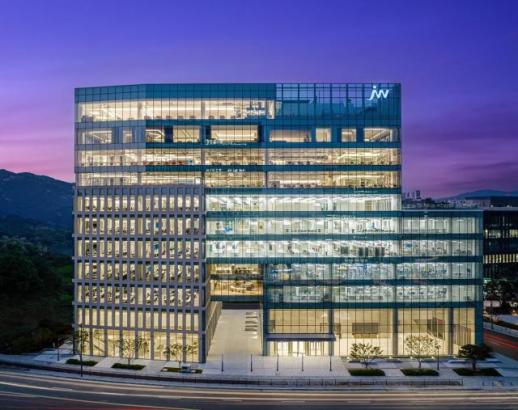 JW Pharmaceutical Expands License-In Drug Strategy With VC Acquisition JW Pharmaceutical is doubling down on a “license-in” strategy—bringing in drug candidates developed elsewhere and handling development and regulatory approval in South Korea—while widening its reach by adding venture investment, industry officials said. According to the industry on the 27th, JW Holdings, the group’s holding company, recently acquired venture capital firm Solidus Investment and made it a subsidiary. The deal was valued at 30.6 billion won. Solidus Investment is a biotech-focused VC with investments that include Alteogen, Orum Therapeutics and OliX. Venture capital firms review a wide range of biotech companies and assess the commercial potential of their technologies. By bringing a VC in-house, the group aims to secure promising pipelines early and then use its research and development capabilities to move them into clinical trials and commercialization. A JW Pharmaceutical official said the company concluded it would be more efficient to identify partners for joint research through a VC than to invest directly in biotech firms, calling it part of an effort to expand open innovation. The company has continued to sign license-in deals structured to secure direct marketing rights rather than co-promotion. The approach requires higher upfront costs but allows stable sales without paying commissions. JW Pharmaceutical said it has used the strategy to establish high-revenue products including the cholesterol drug “Livalo family,” the hemophilia treatment “Hemlibra” and the arthritis drug “Actemra.” More recently, JW Pharmaceutical signed an exclusive South Korea license agreement with China’s Gan & Lee Pharmaceuticals for the glucagon-like peptide-1 (GLP-1) receptor agonist “bofanglutide.” The total contract value is $81.10 million (about 119.8 billion won). Bofanglutide is being developed as a subcutaneous injection given once every two weeks, with dosing convenience positioned as a differentiator. The company plans to begin a domestic Phase 3 trial in the second half of this year for obesity and Type 2 diabetes. The strategy is to respond early to the metabolic disease treatment market by licensing in a candidate that is already well advanced in development. License-in deals are difficult to turn into results without strong in-house R&D. On the 23rd, JW Pharmaceutical completed dosing the last patient in a multinational Phase 3 trial of its gout candidate “epaminurad.” Epaminurad is an oral new drug candidate being developed for hyperuricemia and gout, conditions marked by abnormally high uric acid levels in the blood. Trials were conducted in five Asian countries including South Korea, and the company expects to produce a results report within the year after the final dosing in Malaysia. The company said it aims to develop the drug as a “best-in-class” therapy. JW Pharmaceutical’s R&D spending ratio last year was 14%, the biggest increase among major drugmakers. It exceeded the average for the top 10 pharmaceutical companies as of 2024 (11.3%), and R&D spending reached 107.9 billion won, topping 100 billion won for the first time in the company’s history. An industry official said JW Pharmaceutical is placing more weight on building a medium- to long-term growth base than on short-term results, adding that it is likely to continue building a stable profit structure on the license-in strategy it has pursued for years.* This article has been translated by AI. 2026-04-27 18:31:25
 -
 JW Pharmaceutical Completes Phase 3 Dosing for Gout Drug Candidate; Results Due by Year-End JW Pharmaceutical completes Phase 3 dosing for gout drug candidate epaminurad; results due by year-end JW Pharmaceutical said April 27 it has completed dosing the last patient in a multinational Phase 3 trial of its gout treatment candidate epaminurad (URC102). Epaminurad is an oral uricosuric drug designed to selectively inhibit hURAT1, promoting uric acid excretion. The company is developing it for hyperuricemia and gout, conditions marked by abnormally high blood uric acid levels. JW Pharmaceutical said it has been running the Phase 3 study in five Asian countries, including South Korea, after receiving approval for the trial plan (IND) from the Ministry of Food and Drug Safety in 2022. The study was designed to compare uric-acid lowering effects and safety against the existing treatment febuxostat, and the final patient was dosed in Malaysia. In an earlier Phase 2 trial, epaminurad met key efficacy endpoints and showed safety and tolerability, the company said. JW Pharmaceutical also said it recently secured a U.S. patent from the U.S. Patent and Trademark Office covering dosing and administration, extending U.S. exclusivity to 2038. The company plans to produce a clinical study report by the end of this year after follow-up and data analysis. HK inno.N expands collaboration to develop next-generation obesity drug using AI platform HK inno.N said April 27 it signed a joint research and development agreement with Atomatrix to develop a next-generation obesity treatment. The partners said they will use an artificial intelligence and computer-simulation drug design platform to identify small-molecule candidates with new mechanisms intended to address limitations of incretin-based obesity drugs, including GLP-1 receptor agonists. Under the agreement, HK inno.N will synthesize compounds and conduct biological evaluations to verify efficacy and safety, while Atomatrix will design and screen candidates using its platform, CANDDIE. CANDDIE applies molecular dynamics-based analysis to predict not only binding stability between target proteins and candidates but also drug-response effects after binding, the companies said. HK inno.N cited its commercialization track record with the gastroesophageal reflux disease drug K-CAB and said it aims to expand competitiveness in the obesity treatment market. SK Chemicals holds spring outing volunteer program with seniors to boost intergenerational ties SK Chemicals said April 27 it held a family volunteer program, “Norang, Spring,” bringing together seniors and employees’ families ahead of Family Month in May. The company said it is emphasizing hands-on volunteering, not only donations, as part of its social responsibility efforts. The event was organized with the Unjeong Comprehensive Social Welfare Center in Paju and travel agency Yellow Balloon, and took place around Insadong and Jongno in central Seoul. The program paired seniors living alone with SK group employees’ families for cultural activities and an outing in the city. About 50 people, including families from SK affiliates and seniors using the welfare center, took part, the company said. Activities included making rice cakes, visiting a museum, touring the city by bus and visiting the Cheong Wa Dae Sarangchae. Kolon Life Science publishes preclinical results for anticancer gene therapy candidate KLS-3021 Kolon Life Science said April 27 that preclinical findings on its anticancer gene therapy candidate KLS-3021 for cutaneous squamous cell carcinoma, or cSCC, were published in the international journal Molecular Therapy Oncology (impact factor 5.3). KLS-3021 is a candidate built on a recombinant vaccinia virus engineered for greater selectivity for cancer cells and loaded with therapeutic genes PH-20, IL-12 and sPD1-Fc. It is designed to lyse tumors, break down extracellular matrix within tumors and trigger immune responses, the company said. In the study, KLS-3021 showed higher selective cytotoxicity and viral replication in cancer cells than in normal cells, and the virus’s ability to replicate inside tumors suggested potential for additional therapeutic effects, the company said. In a metastatic model, viral spread was also confirmed at metastatic sites. The company said a single injection could allow the drug to circulate and target cancer cells at distant sites, raising the potential for treating metastatic cancer. The study also observed changes in the tumor microenvironment, including hyaluronic acid degradation, increased immune-cell infiltration and immunogenic cell death, suggesting it may be able to address physical and immunological barriers at the same time, the company said.* This article has been translated by AI. 2026-04-27 18:17:37
 -
 Dong-A Socio Holdings Q1 Operating Profit Falls 6% Despite Revenue Growth Dong-A Socio Holdings said profitability weakened in the first quarter as higher costs offset revenue growth. The company said on the 27th that, on a consolidated basis, first-quarter revenue rose 6.9% from a year earlier to 351.0 billion won, while operating profit fell 6.0% to 19.1 billion won. The company attributed the decline in operating profit to higher cost ratios at its operating subsidiaries, citing the impact of external conditions. Healthcare unit Dong-A Pharmaceutical posted revenue of 188.0 billion won, up 10.5%, driven by growth in Bacchus and over-the-counter drug sales. Operating profit rose 22.1% to 20.6 billion won. Bacchus and OTC products grew 11.0% and 17.3%, respectively, while health functional foods slipped 2.1%. STgen Bio, a contract manufacturer of biopharmaceuticals, reported revenue of 18.0 billion won, down 5.7%. Operating profit plunged 89.1% to 200 million won due to fixed-cost burdens. The company said results can vary by quarter depending on customer order schedules, adding that planned annual orders totaling 21.1 billion won are proceeding as scheduled. Logistics unit Yongma Logistics recorded revenue of 110.6 billion won, up 9.6% from a year earlier, helped by new client wins. Operating profit, however, fell 10.4% to 3.8 billion won due to higher fuel costs and rising prices for logistics materials.* This article has been translated by AI. 2026-04-27 16:19:02
 -
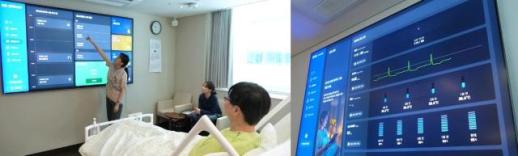 Samsung Medical Center Launches Smart Patient Rooms to Boost Safety and Efficiency Samsung Medical Center said on the 27th it has introduced “smart patient rooms” as part of a patient-centered overhaul aimed at improving safety, convenience and staff efficiency. The hospital said the rollout is part of a mid- to long-term strategy to move beyond isolated technology upgrades and transition to an advanced, intelligent hospital model. The hospital has worked since 2020 to improve inpatient-room environments. Based on patient satisfaction surveys, it formed a “Future Hospital TF” to define the smart-room concept and develop an operating system for it. Lee Sang-cheol, head of the Heart and Brain Vascular Hospital and a professor of cardiology, said the smart rooms focus on linking patient safety and the overall treatment experience “into a single flow,” rather than simply adding new devices. The rooms use a facial-recognition entry system to strengthen security and ease of access. Patients can use an in-room tablet to control lighting and temperature, check key information in real time — including test results, appointment schedules and meal changes — and communicate with medical staff through chat, voice calls and video calls. Monitoring has also been expanded. Wearable devices allow real-time checks of vital signs such as blood pressure, electrocardiograms and oxygen saturation, enabling faster responses to warning signs. Radar-based sensors installed in patient rooms and bathrooms are designed to detect risky situations early. For staff, the hospital said efficiency improves when an artificial intelligence avatar generates education videos after clinicians enter disease-education content, reducing the need for repeated explanations. Patients can receive tailored education in their rooms. Samsung Medical Center said it will review operating results and consider expanding the system across the hospital and applying additional AI technologies.* This article has been translated by AI. 2026-04-27 10:51:05
 -
 Korean Drugmakers Rush Into Clinical Trials for Next-Generation ADC Cancer Drugs South Korea’s pharmaceutical and biotech companies are moving aggressively into clinical development of antibody-drug conjugates, or ADCs, as global drugmakers pour massive investment into the fast-heating field. Several Korean firms have now advanced candidates to the patient-dosing stage, intensifying competition to develop next-generation cancer therapies. Industry officials said ADCs combine an antibody’s ability to target tumors with the cancer-killing effect of a cytotoxic drug. By linking the drug to an antibody, the therapy is designed to deliver treatment selectively to cancer cells, potentially reducing toxicity compared with conventional chemotherapy while improving effectiveness. Celltrion is accelerating development with multiple programs. After securing Finobio’s platform technology, PINOT-ADC, in 2022, it advanced three ADC cancer candidates to patient dosing. The three pipelines — CT-P70, CT-P71 and CT-P73 — received U.S. Food and Drug Administration approval for Phase 1 investigational new drug applications last year. CT-P73 began dosing patients in the first quarter of this year, while CT-P70 and CT-P71 started dosing in the second half of last year. CT-P70 and CT-P71 also received FDA fast-track designation, the company said. Samsung Bioepis, long focused on biosimilars, has entered new-drug development and moved into ADCs. After signing a joint research and technology licensing deal with Intocell in December 2023, it launched a global Phase 1 trial of its first new-drug pipeline, SBE303. Preclinical results disclosed at the American Association for Cancer Research meeting, AACR 2026, showed SBE303 improved tumor-cell binding specificity and intracellular drug-delivery efficiency compared with existing nectin-4 targeted therapies, the company said. It also reported no observed safety signals such as interstitial lung disease, or ILD. Chong Kun Dang, known for a strong oncology portfolio, is also expanding into biologic drugs through ADC development. After licensing platform technology from Dutch company Synaffix in 2023, it has been developing CKD-703, a c-Met-targeting ADC. In a global Phase 1/2a trial, the company has begun enrolling its first patient in the United States. The study targets patients with solid tumors including non-small cell lung cancer, or NSCLC, and is being conducted at about 12 sites in South Korea and the United States. The company said it has also received clinical approval in South Korea and expects patient enrollment there in the first half of the year, with plans to expand to Europe and other countries. According to market research firm Mordor Intelligence, the ADC market is projected to grow from about $20 billion this year to $70 billion by 2031. Expectations are rising that if ADCs expand into first-line treatment for major cancers, the number of patients and duration of dosing could increase sharply. To date, 15 ADC therapies have received FDA approval. One industry official said ADCs are being valued highly because of their potential expansion into first-line treatment. “ADCs are emerging as a mainstream approach in the oncology market, so the market is likely to grow even larger,” the official said.* This article has been translated by AI. 2026-04-26 13:27:18
 -
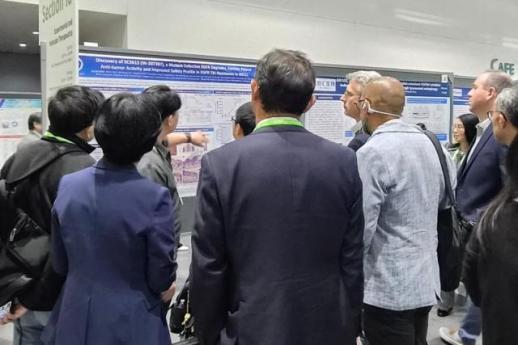 Dong-A ST, Aptis and Celltrion Pharm present next-generation cancer R&D at AACR 2026 Dong-A ST and Aptis present next-generation cancer pipeline at AACR Dong-A ST said April 24 that it and its subsidiary Aptis, an antibody-drug conjugate (ADC) specialist, presented 10 preclinical studies on next-generation cancer pipeline programs at the American Association for Cancer Research meeting (AACR 2026). The presentations included results on a PARP7 inhibitor, EGFR-targeted protein degraders and bispecific antibody ADCs. Dong-A ST’s PARP7 inhibitor candidate SC5024 showed a “dual anti-cancer mechanism” in preclinical testing, inducing both tumor-cell suppression and immune activation, the company said, suggesting potential for use alone or in combination. It also presented an anti-cancer strategy using EGFR-targeted protein degraders SC3613 and SC3499, co-developed with HK inno.N, designed to selectively eliminate mutant EGFR proteins. The companies also outlined a treatment strategy based on a bispecific ADC platform. Bispecific ADCs combining Dong-A ST’s bispecific antibody platform with Aptis’ linker technology — Nectin-4×PD-L1, HER2×AXL and Claudin18.2×HER2 — were analyzed using omics and AI based on patient-derived cancer cells, and were presented as having potential to address drug resistance and tumor heterogeneity. Oh Yun-seok, Dong-A ST vice president and chief scientific officer, and Choi Hyeong-seok, president of Aptis, introduced key pipeline programs and research strategy at the meeting and discussed possible collaboration with global drugmakers, the companies said. Celltrion Pharm presents results for two dual-payload ADC programs at AACR 2026 Celltrion Pharm said April 24 it presented research results at AACR 2026 in San Diego on two new pipeline candidates based on its dual-payload ADC platform. The company said it first unveiled the platform at AACR 2025 with its HER2-targeting candidate CTPH-02, which links two payloads with different mechanisms of action to a single antibody. The platform showed strong cytotoxicity not only in cell lines with high HER2 expression but also in those with low expression, it said. Celltrion Pharm also presented CTPH-08, a candidate targeting FRα, applying the platform to a new target. The company said the data supported the scalability of the dual-payload approach and suggested potential to address tumor heterogeneity and drug resistance. Hyundai Bioscience joins Vietnam economic delegation, signs MOU with local drugmaker Hyundai Bioscience said April 24 it signed a broad memorandum of understanding with Vietnamese pharmaceutical company Vepaco covering approval, importation, distribution and supply of an antiviral drug in Vietnam. The company said the signing took place during a forum attended by key figures from both countries to discuss economic cooperation, with South Korea’s minister of trade, industry and energy and Vietnam’s minister of finance present. Hyundai Bioscience said the agreement sets out basic directions and a roadmap for jointly pursuing regulatory approvals and supply projects. The companies plan to form an executive-level working group to hold regular meetings and to detail cooperation tasks, including patient linkage using local medical and pharmacy networks. Hyundai Bioscience said it aims to link dengue clinical work in Vietnam with approval and commercialization strategies.* This article has been translated by AI. 2026-04-24 17:59:24
 -
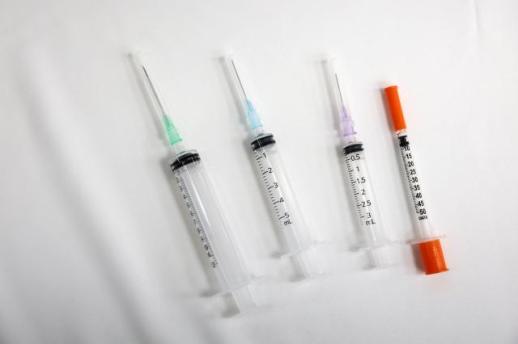 South Korea Finds 32 Syringe Sellers Violating Anti-Hoarding Rules, Launches Ongoing Checks The Ministry of Food and Drug Safety said April 24 it found 32 companies nationwide that violated a government notice banning syringe hoarding, following a special inspection aimed at stabilizing distribution. The ministry said it will file complaints and issue corrective orders against the companies and will continue to monitor compliance through follow-up inspections. The ministry disclosed the results at a briefing at its Seoul regional office in Yangcheon-gu. The first round of inspections, conducted from April 20 to 22, targeted sellers with low sales compared with incoming stock, unusually large inventories, supplies concentrated on specific buyers, or sales at high prices. Inspectors found four companies that stored syringes for at least five days in excess of 150% of their monthly average sales volume, and 30 companies that supplied excessive quantities to the same buyers. Two companies were found to have committed both types of violations. One company was caught holding about 130,000 syringes for more than five days as inventory far exceeded its sales volume. The ministry ordered the excess stock to be shipped within 24 hours to online shopping malls experiencing shortages. Another company was found to have supplied about 620,000 syringes — up to 59 times its monthly average sales volume — to 33 repeat buyers, including specific medical institutions and sellers. Kim Myeong-ho, director general of the ministry’s Medical Device Safety Bureau, said the ministry will file complaints and issue corrective orders, and will immediately pursue additional complaints if violations are confirmed again during re-inspections. The ministry said syringe production remains at normal levels compared with last year and that supply is not a problem. It said daily output averaged about 3.6 million units last year and has risen to more than 4.5 million this year. The ministry said it believes anxiety over recent supply instability led to hoarding at some points in the distribution chain. The ministry said it is collecting data from about 1,000 companies and analyzing distribution routes to check whether supplies are being concentrated at specific firms. It also said it is responding quickly to on-site enforcement through a reporting center where the public can report syringe hoarding. The ministry said it will strengthen monitoring across manufacturing and distribution and continue cracking down on actions that disrupt distribution order and risk supply disruptions.* This article has been translated by AI. 2026-04-24 17:57:10
 -
 Celltrion Starts Patient Dosing for Three ADC Cancer Drug Candidates Celltrion begins patient dosing for all three ADC cancer drug candidates Celltrion said April 23 that all three of its antibody-drug conjugate (ADC)-based cancer drug candidates have entered the patient-dosing stage. The candidates now being dosed are CT‑P70, CT‑P71 and CT‑P73. All three received U.S. Food and Drug Administration approval last year for investigational new drug (IND) applications for Phase 1 trials, the company said. Patient dosing for CT‑P70 and CT‑P71 began in the second half of last year, and CT‑P73 dosing began in the first quarter of this year. Celltrion said preclinical studies confirmed the candidates’ mechanisms of action and safety. In Phase 1, it plans to evaluate dose-by-dose safety and pharmacokinetic characteristics. The company is also developing a multispecific antibody candidate, CT‑P72. It is currently recruiting patients and could begin dosing the first patient as early as next month. Korea Pharmaceutical and Bio-Pharma Association adds hands-on training on U.S. life sciences patents The Korea Pharmaceutical and Bio-Pharma Association said April 23 it will launch a practical training course on responding to U.S. life sciences patent issues on June 12 at the association’s fourth-floor auditorium. The association said the program is designed to strengthen companies’ ability to manage U.S. patent risks that can arise during global expansion, including technology licensing, partnering and overseas clinical trials. It cited cases in which negotiations collapsed after businesses moved forward without freedom-to-operate (FTO) analysis, or deals were delayed during due diligence because of intellectual property issues. The course will have three sessions: the reality of U.S. life sciences patent disputes and core FTO concepts and practical considerations; U.S. patent avoidance strategies and global dispute trends; and global IP strategy and commercialization preparation at the research and development stage. The lecture will be led by attorney Nam In-young, a New York and California-licensed lawyer and U.S. patent litigation specialist, the association said. The program is aimed at R&D and IP staff, business development and corporate planning personnel, and executives and decision-makers at life sciences companies considering or pursuing entry into the U.S. market. Enrollment will be capped at 50 participants. Handok holds plogging cleanup campaign in Busan with employees Handok said April 23 that it held an environmental cleanup “plogging” volunteer event with employees on April 22 around Busan Citizens Park. The company said the campaign, titled “Pick up for me, pick up for Earth,” was organized with the Busan Volunteer Center to mark Earth Day on April 22. It also aimed to spruce up the area ahead of the 20th National Para Student Sports Games and the 55th National Youth Sports Games. About 30 Handok employees, including sales staff working in Busan, took part, the company said. It plans to continue individual plogging through May 24 using the Busan Volunteer Bank application. Chong Kun Dang Gochon Foundation names three artists for 2026 program, expands support The Chong Kun Dang Gochon Foundation said April 23 it selected three artists — Kim Myeong-chan, Park Geurim and Yeom Ji-hee — as this year’s artists and held a certificate presentation ceremony April 22 at Chong Kun Dang’s headquarters in Chungjeong-ro, Seoul. The foundation said the artists were recognized for experimentation and growth potential within contemporary painting. The selections were made through a closed review by a panel of art experts. Each artist will receive 10 million won a year in creation grants for three years, and in the final year will be given an opportunity to present results through a curated exhibition, the foundation said. The “Chong Kun Dang Gochon Art Award” is a cultural and arts social contribution program launched at the suggestion of Chairman Lee Jang-han to support emerging artists with growth potential. Since 2012, it has been run with Chong Kun Dang Holdings, the Korea Mecenat Association and Art Space Huga, and has discovered and supported a total of 45 artists, the foundation said.* This article has been translated by AI. 2026-04-23 18:10:18
 -
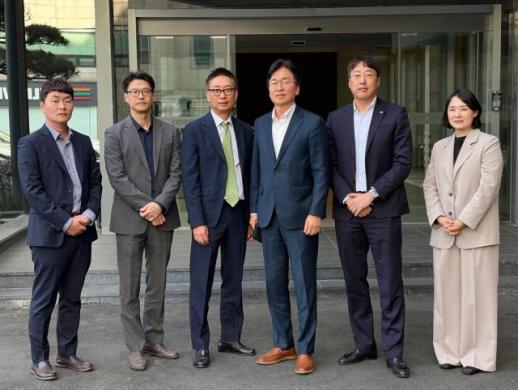 Korea Pharmaceutical and Bio-Pharma Association Names Moon Jong-hoon PR Committee Chair The Public Relations Committee under the Korea Pharmaceutical and Bio-Pharma Association held its regular general meeting on April 22 at the association’s office in Bangbae-dong, Seocho-gu, Seoul, and completed the election of a new chair and the formation of its executive team, the association said April 23. The committee is a consultative body of public relations and external communications professionals from pharmaceutical and biotechnology companies. Moon Jong-hoon, a director at Chong Kun Dang, was elected chair. Park Jae-hyeon, an executive director at Jeil Pharmaceutical, and Yoo Jeong-jae, a head at JW Pharmaceutical, were chosen as vice chairs. The secretariat will be led by Lee Jeong-seok, a director at SillaJen, and Jeon Ha-na, a team leader at Hugel. Jeong Chan-ung, deputy head of the association, will serve as both secretary-general and auditor. The chair and other executive members will serve two-year terms. The meeting also approved the 2025 financial settlement and the 2026 business plan as originally proposed. Moon said he felt a “heavy sense of responsibility” in taking the post at what he called an important turning point for the pharmaceutical and biotechnology industry, and pledged to strengthen communication among member companies and expand information exchanges between the association and the media.* This article has been translated by AI. 2026-04-23 17:48:16
 -
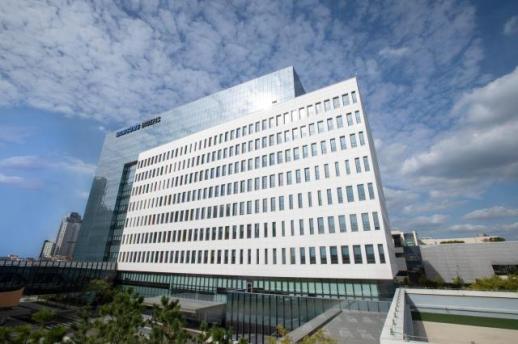 Samsung Bioepis Q1 Operating Profit Rises 13% to 144 Billion Won Samsung Bioepis said April 23 that it posted first-quarter revenue of 454.9 billion won and operating profit of 144.0 billion won. Revenue rose 14% from a year earlier and operating profit increased 13%. The company said the results meet its early-year sales guidance calling for growth of more than 10% from the previous year. It cited expanded global biosimilar sales and a broader new-product portfolio as key drivers. Samsung Bioepis said sales were supported by existing products including SB4, an Enbrel biosimilar marking its 10th year on the European market, as well as the impact of new product launches in the United States. In Europe, the company directly sells four products. For SB15, an Eylea biosimilar, it said it has been discussing potential launch timing with the originator developer, targeting Europe this month and the United States in January next year. In the United States, Samsung Bioepis said it signed a private-label supply agreement in October last year with CVS Caremark, one of the country’s three major pharmacy benefit managers, for SB16, a Prolia biosimilar, and launched it on the market. The company is also pursuing new-drug development. It recently began a global Phase 1 clinical trial of an antibody-drug conjugate candidate, and said additional pipelines being co-developed with China’s Frontline are in the preclinical stage. Separately, Samsung Epis Holdings reported consolidated revenue of 453.9 billion won and operating profit of 90.5 billion won. It returned to an operating profit in the first quarter after reporting consolidated revenue of 251.7 billion won and an operating loss of 63.6 billion won in November and December last year. The company said noncash accounting consolidation adjustments, including amortization of purchase price allocation development costs, were reflected in the results.* This article has been translated by AI. 2026-04-23 17:04:52