

Journalist

WOO JOOSEONG
wjs89@ajunews.com
-
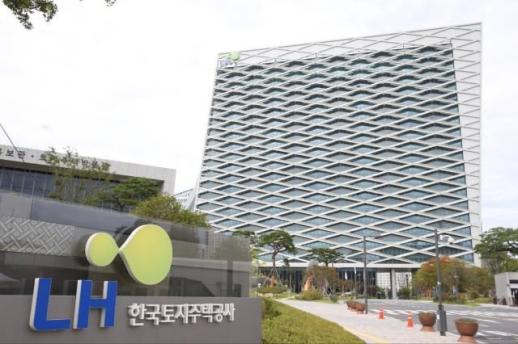 LH Reform Delays Raise Concerns Over Housing Supply Shortfalls Delays in appointing a new CEO for the Korea Land and Housing Corporation (LH) and the announcement of its reform plan have disrupted the timeline for organizational restructuring and supply policies. The failure to present a candidate for the CEO position at the recent Public Institution Management Committee (PIMC) meeting has raised concerns about the weakening momentum for reform. Additionally, the government's key strategy for stabilizing the rental market, the supply of rental housing, has only met 10% of its annual target this year, intensifying worries over a leadership vacuum. According to the Ministry of Land, Infrastructure and Transport and LH, the candidate for the new CEO was not presented at the PIMC meeting scheduled for May 29. The CEO position has been vacant for several months since the re-application process began at the end of last year, marking an unusually long absence within LH. Speculation is growing that the delay in appointing a CEO could also postpone the announcement of the reform plan. The ministry initially aimed to finalize the LH reform plan by March but later adjusted the timeline to the first half of the year. If inter-departmental discussions and candidate vetting take longer, the announcement of the reform plan and the CEO appointment may not occur until after the local elections. However, the ministry maintains that it plans to announce the reform plan within the first half of the year. An official stated, "There has been no change to the schedule for the announcement within the first half of the year," adding that there is no confirmation of any possibility of postponement to the second half. The core of the reform involves splitting LH into separate entities. Currently, a proposal is being considered to divide the organization into a development entity that acts as a public developer and a management entity responsible for rental and reserve functions. There are also discussions about a three-way split involving LH, the Land and Housing Bank, and the Housing Management Corporation. Internally, there is a view that the management entity responsible for rental and reserve functions may need to operate as a public corporation funded by the government, as it is unlikely to generate its own revenue. One LH official remarked, "An organization focused solely on rental and management functions is unlikely to be self-sustaining. It is likely to require budget support in the form of a public corporation." The challenges following the split are significant. New personnel and increased costs will be unavoidable with the establishment of new organizations, and the financial independence of the management entity must also be addressed. Direct government funding is not easily secured, and it has been reported that the surplus funds in the Housing and Urban Fund have decreased from 49 trillion won in 2021 to around 14 trillion won currently. The impact of the reform delays is also being felt in the supply sector. According to the Ministry and LH, the performance of rental housing agreements in the metropolitan area from January to April this year totaled 3,217 units, representing only 10.4% of the annual target of 30,014 units. Of this, 2,678 units were new agreements, while 539 were for existing properties. The government has set a goal to supply 90,000 rental housing units in the metropolitan area by 2027. While agreements tend to concentrate towards the end of the year, the current gap from the target indicates a need for a more effective execution system to accelerate supply. Industry insiders warn that as the CEO vacancy and uncertainty over organizational restructuring prolong, the effectiveness of LH's supply policies, including the expansion of rental housing, the third new town project, and public land development, may weaken. An industry representative stated, "As the CEO vacancy continues, there are limits to simultaneously pursuing the split design and the expansion of rental housing. To prevent supply failures, it is urgent to align the direction of reform and establish a control tower to lead execution."* This article has been translated by AI. 2026-06-01 15:36:00
 -
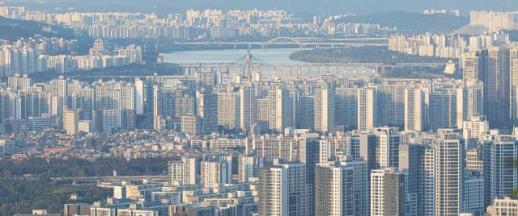 One Year of Lee Jae-myung's Government: Focus on Curbing Speculative Demand As of June 4, the Lee Jae-myung administration marks its first year with a focus on establishing a market order centered on actual residents and curbing speculative demand. The government has implemented a series of financial, tax, and administrative regulations aimed at putting pressure on multiple homeowners and gap investors since its inception. The stringent regulations have sent warning signals to the overheated high-end housing market, effectively dampening speculative buying. However, there are concerns that the emphasis on demand suppression has limited actual supply expansion and rental stability. Shortly after taking office, the government introduced measures such as the June 27 financial regulations, the October 15 housing market stabilization plan, and the resumption of increased capital gains tax for multiple homeowners, tightening loans, transactions, and tax systems simultaneously. Following these regulations, there were short-term effects, including a slowdown in price increases and a surge in urgent sales in parts of the Gangnam area and the Han River belt. However, as time has passed, a phenomenon of inventory lockup has emerged. According to real estate big data firm Asil, as of May 29, the number of apartment listings in Seoul stood at 61,767, down 9.8% from 68,495 on May 9, just before the end of the capital gains tax exemption. Analysts suggest that multiple homeowners are withdrawing listings or opting for gifts, reducing the available supply in the market. Price trends are also becoming unstable again. According to the Korea Real Estate Agency, the increase in apartment sale prices in Seoul during the third week of May was 0.31%, the highest rate in seven months. While the price rise in the Gangnam area has slowed, demand is shifting to the relatively less regulated northern regions and outskirts of Seoul. The instability in the rental market is another key variable in evaluating the government's policies. The administration believed that if homes owned by multiple homeowners were transferred to actual residents, the impact on the rental market would be limited. However, concerns are growing about a decrease in rental listings and rising prices. Lee Chang-moo, a professor at Hanyang University, noted at a recent seminar on the evaluation of the Lee Jae-myung government's real estate policies that the average rental price in Seoul has increased by 8.66% over the past 11 months. In the four northern districts of Gangbuk, Nowon, Dobong, and Seongbuk, rental prices rose by 12.63%, while monthly rents increased by 13.14%. The government is also pursuing supply measures. Through the September 7 plan, it set a goal to supply 1.35 million housing units in the metropolitan area during its term, and in early January, it announced plans to supply 10,000 units in the Yongsan International Business District. Recently, it has also unveiled plans to expand non-apartment supply, public rental purchases, and utilize idle urban spaces. However, there are still criticisms regarding the lack of specificity about the timing, location, and quality of the supply that the market desires. While construction goals and permit numbers have been presented, the actual move-in dates, competitive locations, and quality standards that could replace apartment preferences remain unclear. Choi Hwang-soo, a professor at Konkuk University, commented, "The government's justification for curbing speculative demand was clear, but the details needed to create an exit for the market's self-correction were insufficient." Go Jun-seok, a professor at Yonsei University's Sangnam Business School, added, "If new supply is difficult to come by immediately, there should have been consideration for opening a pathway for existing properties owned by multiple homeowners to enter the market." 2026-05-31 13:39:00
 -
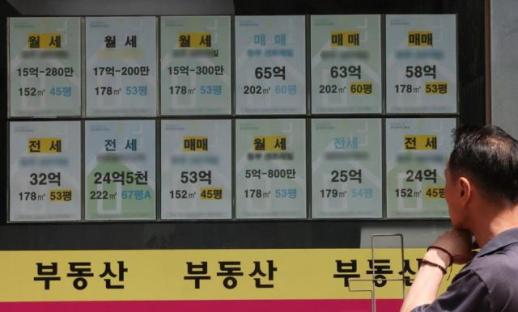 Foreign-owned homes in South Korea surpass 100,000, with Chinese accounting for most SEOUL, May 29 (AJP) - Foreign-owned housing in South Korea has surpassed 100,000 households, with Chinese nationals making up the largest share. According to data released Friday by the Ministry of Land, Infrastructure and Transport, foreigners owned about 108,231 housing units, accounting for 0.55 percent of the country's 19.65 million homes as of 2025. The number of foreign-owned homes rose 8 percent last year, down from 9.6 percent a year earlier, though it still remained high. By nationality, Chinese nationals owned 61,000 homes, the most among foreigners, followed by Americans with 23,000 and Canadians with 6,500. Others included Taiwanese with 3,400, Vietnamese with 2,000, Australians with 2,000, and Japanese with 1,600. By region, Gyeonggi Province had the most foreign-owned homes at 42,000, followed by Seoul with 25,000 and Incheon with 11,000, showing a heavy concentration in the metropolitan area, particularly near industrial complexes. The ministry attributed the rise to a rapid increase in the number of foreign residents, which grew from about 1.19 million in 2022 to 1.6 million by the end of last year. Meanwhile, the ministry vowed to tighten monitoring of transaction records. "We will continue to inspect real estate purchases by foreigners to crack down on any suspicious or illegal deals," a ministry official said. 2026-05-29 14:29:24
 -
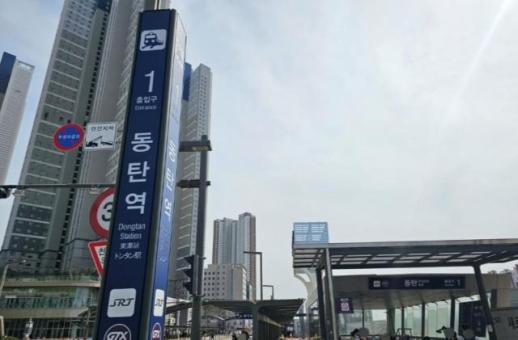 Surge in Jeonse Prices in Dongtan Reaches 0.7%, Causing Distress for Homebuyers in Southern Gyeonggi As the housing market in the metropolitan area remains stagnant, homebuyers are increasingly turning to the rental market, exacerbating the jeonse crisis in key areas of Southern Gyeonggi. Regions such as Dongtan in Hwaseong, Seongnam, and Gwangmyeong, which are experiencing significant job growth and improvements in transportation infrastructure, are showing signs of overheating, with weekly jeonse prices rising by as much as 0.7%. According to KB Real Estate's weekly housing market trends report released on May 29, jeonse prices in the metropolitan area increased by 0.15% compared to the previous week, maintaining a steady upward trend. However, in specific regions, the increases in Southern Gyeonggi significantly outpace the average. The highest increase was recorded in Dongtan District of Hwaseong, where weekly jeonse prices surged by 0.69%, marking the highest rate in the metropolitan area. Seongnam's Jungwon District followed with a 0.55% increase, while Gwangmyeong, benefiting from recent large-scale redevelopment projects and improved transportation networks, saw a 0.42% rise. Other areas, including Anyang's Dongan District (0.32%) and Suwon's Yeongtong District (0.30%), also exhibited strong performance, contributing to the overall rise in jeonse prices in Southern Gyeonggi. These figures are reflected in the Ministry of Land, Infrastructure and Transport's real transaction disclosure system. A notable example is the 'Dongtan Station Lotte Castle,' where a newly listed 102 square meter unit recorded a jeonse deposit of 980 million won on May 19, setting a new record. This deposit has increased by nearly 100 million won since the beginning of the year. Similarly, 'Dongtan The Lake Palace' recently secured a contract at a deposit of 620 million won, surpassing its previous high. The surge in jeonse prices is not limited to Dongtan. In Seongnam's Bundang District, a jeonse contract was signed for the 'Pangyo Alpharium 1 Complex' at a deposit of 1.75 billion won, an increase of 50 million won from the prior record. An agent from a brokerage in Baekhyeon-dong noted, "Tenants are expressing frustration as jeonse deposits have jumped by thousands of units within months, forcing them to consider moving to the outskirts." The rapid rise in jeonse prices in Southern Gyeonggi is attributed to multiple factors. The supply shortage in Seoul's housing market has directly impacted Gyeonggi Province. As of April this year, the number of new apartment units in Seoul has dropped to half of what it was a year ago. This supply crunch has led tenants in Seoul to seek housing in Southern Gyeonggi's eco-friendly new towns and residential districts, which offer better living conditions and lower risks of construction delays. Additionally, some investment demand has shifted to areas outside of regulated zones, further tightening the supply and driving up prices in the rental market. As tenants struggle to secure deposits, many are being pushed into the monthly rental market, leading to a phenomenon known as the "monthly rentification" of jeonse and a simultaneous spike in monthly rents. Particularly in the semiconductor belt of Southern Gyeonggi (including Yongin Giheung, Suwon Yeongtong, and Hwaseong Dongtan), demand for monthly rentals is rapidly increasing due to the stable housing needs of employees from large corporations. In fact, nearby officetels and small apartments in Dongtan are predominantly listed with deposits of 30 million won and monthly rents ranging from 1.2 million to 1.5 million won, with many prospective tenants waiting in line, according to local brokers. An agent from a brokerage near Dongtan Station stated, "If the rate of increase in jeonse prices continues to outpace that of sales prices for several months, tenants may feel pressured to buy a home instead. This could lead to a domino effect, pushing up sales prices in the housing market due to instability in the rental market in the second half of this year."* This article has been translated by AI. 2026-05-29 14:26:00
 -
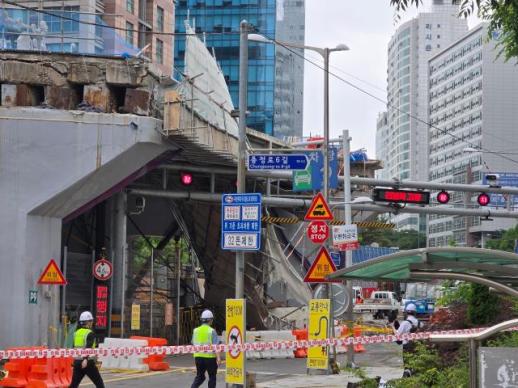 Seoul's Seosomun Overpass Demolition Resumes, Train Operations Plummet to 73% Demolition work on the Seosomun Overpass in Seoul, which collapsed and resulted in three fatalities, resumed early on May 29, four days after the incident. While the bridge deck and girders have been removed, the demand for transportation ahead of the weekend has caused train operations, including KTX services, to drop to a low of 70%, leading to significant passenger disruptions. On May 29, the Ministry of Land, Infrastructure and Transport announced that all 16 girders, which posed the greatest safety risk to the demolition work, had been safely removed. Following the accident, the ministry activated a central accident response headquarters composed of experts from relevant agencies and has held eight situational assessment meetings to develop and implement a demolition plan. To minimize traffic congestion over the weekend, the response headquarters is making a concerted effort to resume operations on the Gyeongui Line by May 30. The government plans to complete the remaining demolition work by 5 a.m. tomorrow, along with the restoration of the overhead lines and tracks, to ensure a safe recovery of the site. The Seoul Western District Office of the Ministry of Employment and Labor held a meeting the previous evening to review and conditionally approve the demolition plan submitted by the city. Consequently, the previously halted recovery and demolition work resumed at midnight on May 29. To minimize the risk of structural collapse, the city deployed four excavators equipped with hydraulic crushers instead of cranes. After intensive work, the upper structure of the overpass was completely crushed and removed by around 5 a.m. on May 29. Korea Railroad Corporation (KORAIL) will now proceed with the restoration and inspection of tracks and overhead lines to gradually normalize train operations. Despite the swift progress on-site, the increase in train services ahead of the weekend has caused the overall train operation rate to drop to 73.7%, raising concerns about further disruptions to passenger and freight services. According to KORAIL, a total of 542 train services were operated on this day, a decrease of 193 services compared to the usual 735, resulting in a significant drop in the operation rate. This figure is considerably lower than the rates of 80.8% and 82.3% recorded on the day after the accident and the day before, respectively. In particular, high-speed trains like KTX operated only 270 services, down by 113 from normal, resulting in an operation rate of 70.5%. Ongoing track closures between Haengsin Station and Seoul Station, as well as between Seoul Station and Cheongnyangni Station, have led to unavoidable delays. Regular trains (Saemaul and Mugunghwa) also saw their operation rate drop to 77.3%, with Mugunghwa services limited to routes up to Daejeon Station and Seo Daejeon Station on the Gyeongbu, Honam, and Jeolla lines. Subway services in the metropolitan area also faced disruptions. Train operations on the Gyeongui-Jungang Line between Seoul and Susaek have been suspended for four days due to blocked access to the northern train depot at Seoul Station. Additionally, the subway Line 2 between Hongdae and Euljiro was temporarily limited from the first train of the day for safety inspections before returning to normal operations. As passenger inconvenience peaked, ticket counters at Seoul Station and Yongsan Station experienced severe congestion as travelers sought to change their travel plans or voiced complaints. KORAIL urged passengers to check train operation statuses through the mobile app 'KORAIL Talk' or the website before traveling. A KORAIL official stated, "The change in demolition methods by the city is expected to shorten the time for debris removal, allowing for an earlier entry into the restoration phase. However, while we aim to complete facility restoration by around 5 a.m. on Saturday, immediate resumption of 100% operations according to the regular schedule will be challenging due to necessary procedures like test runs. We anticipate that all trains, including KTX, will return to normal operations by the 31st." 2026-05-29 11:22:00
 -
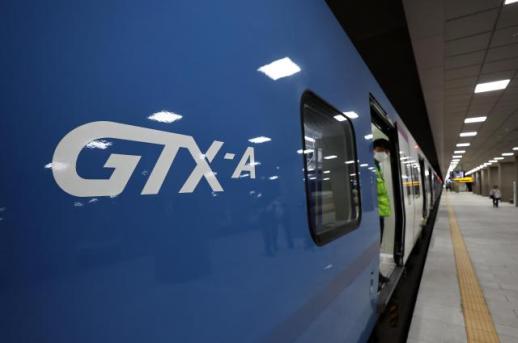 One-Third of Rail Promises Not Included in National Plan, Misleading GTX and CTX Pledges As local elections approach, candidates for regional leadership positions are unveiling numerous rail-related promises. Many of these proposed new routes are not reflected in the current national railway network plan. On May 28, a review of 108 pledges from 21 candidates that included rail-related items found that 33 of these (34.4%) are new promises not included in the fourth national railway network construction plan. This analysis excluded 12 items that were not clearly defined, such as transfer centers and simple stop requests. The fourth national railway network plan is the highest legal framework for rail projects, and only projects included in this plan can proceed to preliminary feasibility studies and basic plan development. Routes not currently in the plan must first pass through the fifth plan approval process. A prominent example of misleading promises is the expansion of the GTX (Great Train Express). While Line A has been opened and Lines B and C are under construction, only the western section of Line D has been included as a new project in the fourth plan and has passed the preliminary feasibility study. Lines E, F, G, and H are not part of the fourth plan, making their inclusion in the fifth plan a prerequisite. Candidates like Choo Mi-ae from the Democratic Party and Yang Hyang-ja from the People Power Party have promised Lines E and F, with Choo also including G and H in her pledges. Several candidates have also proposed extensions to existing routes. Yoo Jeong-bok, the People Power Party candidate for Incheon mayor, suggested extending the newly included Daechang-Hongdae line towards Cheongna and Gyeyang. Unlike the main line, these extensions lack planning justification and require separate feasibility studies and funding. In the Chungcheong region, the CTX (Chungcheong Regional Express Railway) promises also represent another form of misleading pledges. The fourth plan includes a new project for the Daejeon-Sejong-Chungbuk line. Kim Tae-heum, the People Power Party candidate for Chungnam governor, has promised to establish new lines from Sejong to Cheonan-Asan and Sejong to Gongju. However, experts in the rail industry warn that differing routes, project methods, and funding structures could necessitate re-evaluation, making these separate projects. The situation is similar outside the capital region. The People Power Party's Kim Du-gyeom, a candidate for Ulsan mayor, has proposed the Ulsan-Yangsan-Busan metropolitan railway and the southeastern circular metropolitan railway, both of which are included as new projects in the fourth plan. In contrast, the TRX proposed by Jeon Jae-soo, the Democratic Party candidate for Busan mayor, and the Gyeongnam governor candidate Kim Kyung-soo's Nahae-gwon metropolitan express railway (GTX-G, Busan-Jinju) are not part of the fourth plan, requiring fifth plan approval before construction can begin. Even routes included in the fourth plan vary significantly in feasibility. Some newly included projects are still awaiting preliminary feasibility studies, while others require further business viability assessments. Industry experts emphasize that the effectiveness of rail pledges should be judged not by route names but by their inclusion in the fourth and fifth national railway network plans, as well as their success in passing feasibility studies and private investment eligibility assessments. Go Jun-ho, a professor of urban engineering at Hanyang University, noted that rail projects directly impact citizens' lives and property rights, making them a recurring issue during elections. However, he stressed that local governments cannot fund these projects alone and must rely on central government plans, highlighting the need for alignment with national strategies. He added that there is a significant difference in feasibility between projects already included in national plans and entirely new promises, urging candidates to transparently explain the current status and administrative limitations of their proposed projects. 2026-05-28 16:18:00
 -
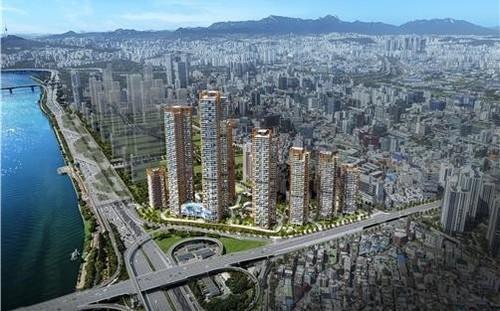 Lotte Engineering Pays 50 Billion Won Deposit for Seongsu 4 District Redevelopment Lotte Engineering has made a proactive move by paying the full bid deposit of 50 billion won in cash for the redevelopment project of the Seongsu Strategic Maintenance District 4 in Seoul's Seongdong District, just one day before the deposit deadline. According to the construction industry on May 21, Lotte Engineering submitted the entire bid deposit to the Seongsu 4 District Redevelopment Association ahead of the deadline of 11 a.m. on May 22. The main bidding deadline for the project is set for May 26. A representative from Lotte Engineering stated, "We plan to propose differentiated, customized project conditions that prioritize the interests of the association members. Utilizing our unique high-rise construction technology and global partnerships, we aim to create a landmark complex that represents South Korea in every aspect, including design and branding." The Seongsu 4 District redevelopment project involves constructing 1,439 residential units and supporting facilities across a site of 89,828 square meters, with a planned construction cost of approximately 1.36 trillion won, making it one of the largest projects along the Han River this year. This bidding process follows the invalidation of the first round of bidding due to violations of promotional guidelines and procedural flaws in the association's operations. Industry insiders expect a fierce competition between Lotte Engineering and Daewoo Engineering, similar to the first round. Daewoo Engineering is reportedly preparing to complete its deposit payment by the morning of May 22 after conducting internal reviews. A source from the construction industry noted, "Seongsu 4 District is an optimal location for construction companies to enhance their brand image, thanks to the relaxation of high-rise regulations and accessibility to Gangnam via the Yeongdong Bridge. Given the challenges of the first bidding's invalidation, both companies are likely to present aggressive financial terms and high-end design proposals to win over the association members." Meanwhile, the Seongsu 4 District Association plans to conclude the main bidding on May 26 and hold a meeting on June 27 to select the final construction company after internal deliberations.* This article has been translated by AI. 2026-05-21 20:39:23
 -
 Construction Oversight Lapses at Samsung Station GTX-A Project At the Samsung Station construction site for the GTX-A line, it has been confirmed that the oversight team marked inspection results as 'satisfactory' for two consecutive months despite being aware of the missing 178 tons of rebar. Additionally, it has come to light that Seoul City submitted the oversight team's construction management report to the Korea Railroad Corporation without independent verification, raising concerns about the overall construction, oversight, and supervision system.According to the 'Construction Management Report for the Underground Complex Development Section 3' obtained by Park Yong-gap, a member of the National Assembly's Land, Infrastructure and Transport Committee, the oversight company, Saman, continued to give passing grades on inspection checklists even after acknowledging the missing rebar.Hyundai Construction, the contractor, first identified the missing 178 tons of rebar in 80 columns on October 23, 2025, through its own quality checks. The company informed the head of the oversight team on October 30 and subsequently emailed the details to Seoul City on November 10.However, the oversight team, despite knowing about the missing rebar, marked all key items on the inspection checklists dated November 11 and 14 as 'pass,' including questions about the accuracy of rebar spacing and the condition of the rebar's size, shape, and assembly. Inspection requests submitted later, such as on December 23, also recorded the rebar placement as 'satisfactory and passing.'Seoul City was aware of the structural deficiencies reported in November but accepted the oversight team's report without question. The city then submitted the construction management report to the Korea Railroad Corporation, the project client.The issue is expected to lead to disputes over liability under the Construction Technology Promotion Act. Seoul City maintains that the matter was addressed through internal checks during construction and does not constitute a 'construction accident' since there were no fatalities or property damage. However, critics argue that immediate site inspections and reports to the Ministry of Land, Infrastructure and Transport should have been conducted as soon as concerns about construction quality arose.The Ministry has already begun audits of both Seoul City and the Korea Railroad Corporation. A special inspection team has also been formed to review overall construction, safety, and quality management.Cost burdens due to project delays are another concern. If reinforcement work and external verifications continue, it could disrupt the schedule for non-stop service at Samsung Station and its official opening. This raises the possibility of increased financial liabilities for operational loss compensation to private contractors.In the political arena, there are calls for financial accountability. During a recent inquiry by the National Assembly's Land, Infrastructure and Transport Committee, Democratic Party lawmaker Han Jun-ho stated, "We cannot pass the costs of construction failures and delayed responses onto taxpayers," suggesting the need for a review of claims against Seoul City, Hyundai Construction, and the oversight company Saman. In response, Minister of Land, Infrastructure and Transport Kim Yoon-deok agreed, stating, "That is only natural."* This article has been translated by AI. 2026-05-21 16:29:03
 -
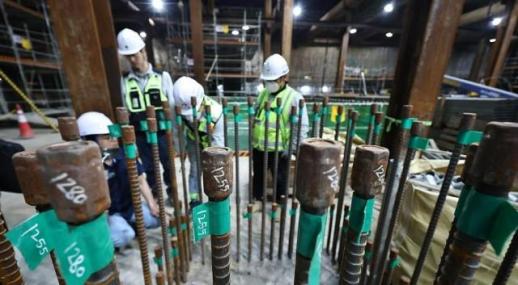 Dispute Over Missing Rebar at Samsung Station Spurs Audit by Ministry of Land The Ministry of Land, Infrastructure and Transport has launched an audit of Seoul City and the Korea Railroad Corporation (KRC) following a significant incident of missing rebar in the GTX-A line at Samsung Station. The situation escalated into a dispute over accountability after it was revealed that there was a lack of official communication among relevant agencies for about six months after the rebar deficiency was confirmed, raising concerns about the overall project management system beyond mere construction flaws. According to the Ministry of Land and construction industry sources, the ministry notified Seoul City and KRC on May 18 of an audit regarding allegations of poor construction and delays in reporting related to the underground complex development at the GTX-A Samsung Station section. Investigators will conduct a preliminary investigation by May 21, followed by a formal audit starting May 22. A ministry official stated, "This audit aims to examine whether there were issues in the overall management of this national project," adding that they plan to verify the reasons for the reporting delays by comparing the materials and explanations submitted by Seoul City and KRC. Last November, Hyundai Engineering & Construction, the contractor, discovered the missing main rebar in the underground platform structure during an internal quality inspection and reported it to Seoul City. It was confirmed that some rebar, which should have been installed in two rows according to the design, was only installed in one row, with approximately 2,500 pieces missing, totaling 178 tons. The issue lies in the subsequent response. Seoul City claims it submitted a construction management report, which included the relevant information, to KRC three times between November and January, following the construction management agreement procedures. They explained that time was needed to review and finalize reinforcement methods, sharing the final reinforcement plan with KRC and the Ministry of Land at the end of last month. In contrast, KRC argues that Seoul City treated the significant safety defect as merely internal documentation rather than a formal report. KRC stated, "The monthly construction management reports submitted by Seoul City are extensive, often running into thousands of pages, making it difficult to immediately recognize the missing rebar issue, which was only included in a portion of the construction management log." There are concerns within the industry that a more direct and clear reporting system should have been in place for such a critical defect in national railway infrastructure. Relying solely on the submission of management reports may have hindered relevant agencies from immediately grasping the severity of the issue. Seoul City maintains that there were no procedural issues, with a city official stating, "A review by structural engineers confirmed that there are currently no issues with structural safety," and that they finalized and shared the reinforcement plan after a comprehensive review of safety and construction feasibility. However, voices within KRC and beyond have raised concerns that given the significant defect in a key national railway project, more proactive external communication and separate reporting should have been necessary. The ongoing dispute over accountability suggests that the reporting system at the time was not functioning effectively. The responsibility of Hyundai Engineering & Construction is also under scrutiny. The Citizens' Coalition for Economic Justice issued a statement asserting that both the contractor and the inspection team bear significant responsibility, calling for a review of structural subcontracting practices and the avoidance of direct construction issues in large projects. Hyundai Engineering & Construction has proposed a reinforcement method that involves wrapping the deficient column exteriors with thick steel plates and welding them. Seoul City believes this method will ensure strength beyond design standards, but the Ministry of Land has stated it will not allow the resumption of reinforcement work until verification by an accredited institution is completed.* This article has been translated by AI. 2026-05-19 17:33:00
 -
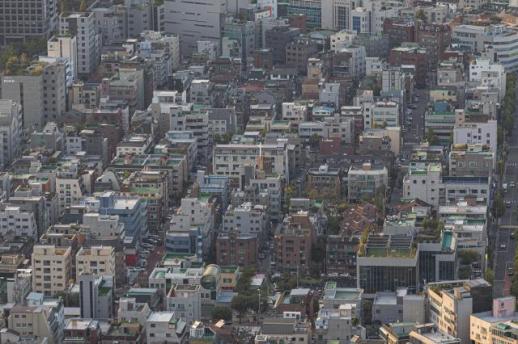 Seoul Villa Transactions Surge 31% Amid Rental Crisis The volume of villa transactions (including multi-family homes) in Seoul has increased by more than 30% this year compared to last year. As the rental crisis for apartments intensifies, demand is shifting to the relatively lower-priced non-apartment market, while investment interest is also returning, particularly in areas undergoing early redevelopment. According to the Ministry of Land, Infrastructure and Transport's real transaction disclosure system, from January to May 19, 2026, there were 15,157 villa transactions in Seoul. This marks a 31.0% increase (3,587 transactions) from the same period last year, which recorded 11,570 transactions. This represents the most significant recovery since the sharp decline in transactions following rental scams in 2023. The recovery trend, which began in the second half of last year in certain redevelopment areas, has now spread across Seoul. By district, Jongno-gu saw the highest increase in transaction volume, rising 150.0% compared to last year. However, analysts note that Jongno's overall transaction volume is relatively small, making it susceptible to base effect influences. More substantial increases were observed in districts such as Gwangjin-gu, Dobong-gu, Seodaemun-gu, and Gangbuk-gu. In Gwangjin-gu, villa transactions surged from 617 last year to 1,071 this year, a 73.6% increase. Dobong-gu followed with a 63.6% rise, Seodaemun-gu with 47.8%, and Gangbuk-gu with 36.4%. Other districts, including Songpa-gu, Eunpyeong-gu, and Yangcheon-gu, also experienced notable increases. Gwangjin-gu's growth is attributed to investment demand driven by redevelopment expectations in the Jayang and Junggok-dong areas. Villas in the early stages of redevelopment require relatively lower initial investments, and the possibility of purchasing with a rental guarantee—known as 'gap investment'—has led to continued inquiries from investors. A real estate agent in Gwangjin-gu stated, "With lower entry prices than apartments and the anticipation of redevelopment, there is a simultaneous movement of demand for both living and investment purposes. We are also seeing steady inquiries from those looking to purchase villas as a form of asset investment." In contrast, the increase in transactions in outer districts like Dobong, Gangbuk, and Seodaemun is seen as being driven more by actual housing needs than investment. According to Asil, the number of rental listings in Dobong-gu has decreased by over 14% in the past ten days, totaling 164 listings. As apartment rental prices rise rapidly and listings dwindle, tenants are moving towards older villas or non-apartment markets, which have lower deposit burdens. Statistics from the Korea Real Estate Agency indicate that last month, rental prices in Seongbuk-gu rose by 0.92%, the highest increase in Seoul, followed by Gwangjin-gu (0.96%), Nowon-gu (0.79%), Seodaemun-gu (0.78%), and Dongdaemun-gu (0.77%). A decrease in supply is also cited as a factor influencing market dynamics. According to the Ministry of Land, Infrastructure and Transport, the number of completed villas in Seoul dropped from 23,389 units in 2021 to just 4,329 units last year, an 81.5% decline. With both actual and investment demand flowing into the market, signs of price rebounds are emerging in some areas. The Korea Real Estate Agency's "April National Housing Price Trend Survey" reported a 0.55% increase in Seoul's housing price index. Both apartments and villas have continued to rise in price this year, with the average sale price of villas increasing by 0.62% last month, surpassing the apartment price increase of 0.55% during the same period. However, some experts caution against declaring a full market recovery. There remains significant regional polarization, and transactions for less desirable locations or older villas continue to lag. Kim Hyo-seon, a senior real estate analyst at KB Kookmin Bank, noted, "In key areas like Gwangjin, Yongsan, and Dongjak, investment demand is driven by redevelopment expectations that circumvent land transaction permit regulations, while in outer districts, the majority of purchases are motivated by actual housing needs due to rising living costs. However, unlike earlier this year, villa prices have risen significantly, and market risks persist, so it is advisable to refrain from hasty purchases and to adopt a wait-and-see approach."* This article has been translated by AI. 2026-05-19 17:03:32