

Journalist

CGTN
-
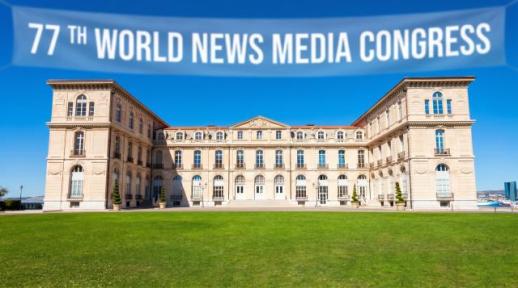 World News Media Congress Returns to France After 30 Years, AI Takes Center Stage Marseille—The 77th World News Media Congress (WNMC26), organized by the World Association of News Publishers (WAN-IFRA), will kick off on June 1 in Marseille, France, marking the event's return to the country after nearly 30 years since it was last held in Paris in 1995. This year's congress is notable for being the first to prominently feature artificial intelligence (AI) as a core topic in the news industry. Over three days, more than 1,000 publishers, editors, and CEOs from over 60 countries are expected to attend. Following last year's congress in Krakow, this event is anticipated to be a major international platform for discussing strategies, technologies, and revenue models that will shape the future of the global media industry. This year, AI has been elevated to a central theme of the event. WAN-IFRA has introduced a dedicated track titled "AI in Media," alongside two other key topics: "Future of Journalism" and "Revenue & Growth." Industry experts believe that generative AI is transforming the entire news production process, from content creation and distribution to revenue generation and audience engagement. The rise of AI as a focal point in the news industry can be traced back to the release of OpenAI's ChatGPT in late 2022, which marked a pivotal moment. Since then, generative AI has rapidly become a significant factor impacting the entire media ecosystem, from news production to search and consumption environments. One of the most immediate effects has been a decline in search traffic. According to digital analytics firm Similarweb, global traffic to major news sites dropped by approximately 26% in the year following Google's introduction of its AI search summary feature, "AI Overviews." Some media outlets have reported search traffic declines exceeding 90%, raising concerns about the sustainability of digital advertising revenue models that heavily rely on search. The conflict over content acquisition between media companies and big tech firms has also intensified. In December 2023, The New York Times filed a copyright infringement lawsuit against OpenAI and Microsoft, prompting similar legal disputes in Canada, India, and Denmark. Conversely, organizations like the Associated Press, Axel Springer, and News Corp have opted for collaborative models by signing content licensing agreements with OpenAI. In its recent annual report, WAN-IFRA identified AI as a "defining pillar" of its activities. The "Newsroom AI Catalyst" program, co-managed with OpenAI, currently involves 145 newsrooms worldwide. This shift marks a departure from previous congress themes. Last year's Krakow congress focused on "Mastering Media's New Playbook," addressing AI as part of discussions on data strategy, trust restoration, and digital transformation. The upcoming 2024 congress in Copenhagen will also emphasize AI's role in shaping the future of news media, but will approach it as one element of digital innovation. In contrast, this year's congress highlights AI as an independent strategic agenda, signaling a significant transition for the news industry into the generative AI era. At the congress, Aju Media will showcase examples of newsroom innovation and global expansion utilizing AI. The company is redesigning the entire news production process, including article creation, translation, video production, and multilingual platform management, based on AI. They plan to share strategies for newsroom innovation and revenue growth, drawing on their experience operating services in five languages, including Korean and English. The congress theme is "Rising Voices, Emerging Risks, Inspiring Futures." WAN-IFRA explained that it aims to explore new opportunities and sustainable futures amid the simultaneous challenges of AI proliferation, increasing platform dependency, declining news credibility, and evolving business models. The choice of Marseille as the host city carries symbolic significance. Founded around 600 B.C., Marseille is France's oldest city and the largest port city in the Mediterranean, serving as a gateway connecting Europe, Africa, and the Middle East. WAN-IFRA described the selection of Marseille as a choice to highlight "new voices emerging from traditional centers of power." The congress will take place at the Palais du Pharo, a 19th-century palace built by Napoleon III. Co-hosts include BFM TV, RMC Radio, and the regional daily newspaper La Provence, all part of the French media group CMA Media. The World News Media Congress, established in 1948, began with the founding congress of its predecessor, FIEJ, where delegates were invited to the Élysée Palace in Paris. Since then, it has been held in major cities around the world, including Seoul, Cape Town, Taipei, Istanbul, Moscow, and Hong Kong. Currently, WAN-IFRA represents over 3,000 news organizations and 60 publisher associations across 120 countries, making it the largest association of news publishers globally, representing approximately 18,000 media outlets. In addition to the main sessions, the congress will feature pre-congress deep dives on technology, business, content, and innovation, as well as table talks on media sustainability, revenue diversification, the future of print newspapers, and the news creator ecosystem. All sessions will be conducted in English, with real-time translation services available in over 50 languages powered by AI. During the event, WAN-IFRA will also hold the prestigious "Golden Pen of Freedom" awards ceremony and the Digital Media Awards Worldwide. Notably, the Digital Media Awards have recently introduced categories for "Best Use of AI in Newsrooms" and "Best Use of AI in Revenue Strategies," reflecting the growing importance of AI competitiveness as a key evaluation criterion. Following the congress, a post-training program will be held on June 4-5, allowing participants to visit major media outlets in Paris.* This article has been translated by AI. 2026-05-31 17:51:00
 -
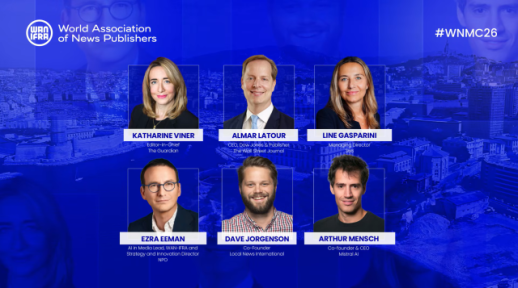 World News Media Congress to Open in Marseille, Focus on AI and Journalism The 77th World News Media Congress, organized by the World Association of Newspapers and News Publishers (WAN-IFRA), will kick off on June 1 in Marseille, France. More than 1,000 executives, editors, and technology representatives from over 60 countries will gather to examine the future of journalism in the wake of the rise of generative artificial intelligence (AI). Key topics of the congress include 'AI in Media,' 'Future of Journalism,' and 'Revenue & Growth.' Discussions will focus on how generative AI is transforming news production and distribution, protecting copyright for media companies, and exploring new revenue models and innovations in newsrooms in the AI era. The event will feature executives from major global media outlets such as The New York Times, The Guardian, and POLITICO, along with digital policy leaders from the European Union, who will share insights on the future of journalism and the media industry in the age of AI. Notably, Seo Hye-seung, Editor-in-Chief of Aju Media Group's English news agency AJP, will represent South Korea as a key speaker at this year's congress. Recognized for Aju Media's innovative use of AI, she is the only speaker invited from South Korea. In her session titled 'How AI is Changing the News Experience,' Seo will discuss Aju Media's model of producing content in five languages and expanding its audience beyond South Korea. A. G. Sulzberger, Chairman and Publisher of The New York Times, will deliver the keynote address on 'AI, Journalism, and the Uncertain Future of the Public Sphere.' Over the three-day congress, prominent media leaders, including Goli Sheikholeslami, CEO of POLITICO, Katharine Viner, Editor-in-Chief of The Guardian, and Phil Chetwynd, Global News Director at AFP, will share their perspectives on the role of journalism in a rapidly changing media landscape driven by AI innovation.* This article has been translated by AI. 2026-05-31 17:51:00
 -
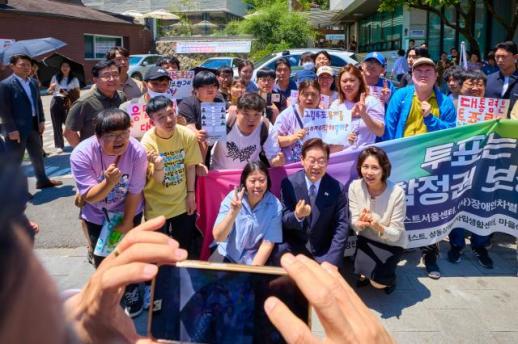 President Lee Vows to Intensify Investigation into False Comments Related to Social Disasters President Lee Jae-myung stated on May 31 that authorities will conduct a more thorough investigation and impose strict penalties regarding false comments related to social disasters.On this day, President Lee shared an article on his X (formerly Twitter) account titled, "50s Man Arrested for Second Harm through False Comments on Social Disasters," highlighting the arrest of a man in his 50s who allegedly posted over 3,000 defamatory and insulting comments related to disasters over four years since 2022.President Lee criticized the situation, saying, "This is the third arrest related to false comments. It is beyond comprehension. Why is this happening? Imagine if your own family were victims of such comments. Shouldn't we put ourselves in their shoes?"* This article has been translated by AI. 2026-05-31 17:51:00
 -
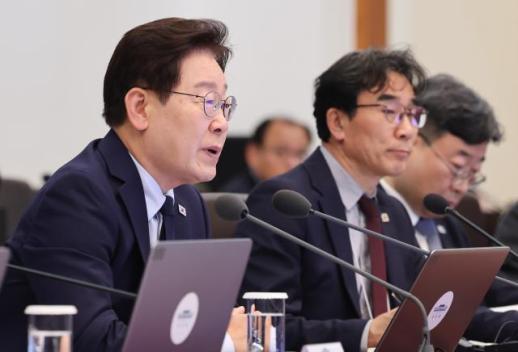 South Korea's Economic Recovery: Semiconductor Boom and Market Gains Amid Challenges When President Lee Jae-myung's administration took office last year, the outlook for South Korea's economy was bleak, marred by domestic stagnation, a sluggish construction sector, and concerns over a trade war initiated by the United States. However, one year later, the South Korean economy is showing signs of a quicker-than-expected recovery. The semiconductor supercycle and increased investment in artificial intelligence (AI) have propelled exports and the stock market, leading to upward revisions in growth forecasts. Nonetheless, challenges such as reliance on semiconductor-driven growth, high inflation, and fiscal pressures remain unresolved. The most notable achievement is the rebound in economic growth. In March, the Organization for Economic Cooperation and Development (OECD) revised its growth forecast for South Korea down from 2.1% to 1.7% due to the impact of the Middle East conflict and global uncertainties. However, as the semiconductor market improved more rapidly than anticipated, the Bank of Korea and the Korea Development Institute (KDI) have since raised their growth projections to the mid-2% range. The OECD's upcoming economic outlook, set to be released on June 4, is also expected to reflect a more optimistic growth forecast for South Korea. Exports have become a key driver of economic recovery. Last year, South Korea's exports reached a record $709.3 billion, surpassing the $700 billion mark for the first time. This year, the surge in semiconductor exports, fueled by increased investment in AI data centers and rising demand for high-bandwidth memory (HBM), has continued. The Korea Institute for Industrial Economics and Trade has projected that exports could exceed $900 billion this year. The capital market has also transformed. The KOSPI index has surpassed 8,000 points, reaching an all-time high since the government's inauguration, and market capitalization has significantly increased. The government's initiatives to modernize the capital market, the introduction of domestic market return accounts (RIA), and optimism surrounding the semiconductor sector have contributed to expectations of alleviating the 'Korea discount.' The current account surplus also reached a record high of $73.3 billion in the first quarter. The government has supported economic recovery through active fiscal policies. Large-scale financial injections, including the 'war supplementary budget,' consumer recovery coupons, and support for those affected by high energy prices, have aimed to stimulate domestic demand and assist vulnerable populations. Investments in AI, semiconductors, energy, and regional balanced development have also been expanded to secure growth momentum. However, there are concerns about whether the benefits of economic recovery are spreading across all industries. A recent report from the National Assembly Budget Office indicated that while semiconductor production capacity has increased by 80 percentage points over the past five years, non-semiconductor manufacturing capacity has declined by 14 percentage points. This suggests that the recovery in manufacturing and domestic industries, excluding semiconductors, remains relatively weak. Many still perceive the economic climate as chilly. The steel, petrochemical, and construction sectors continue to struggle, and small business owners are facing ongoing challenges. The government, in its recent Green Book assessing the economic situation, has identified persistent downside risks due to geopolitical tensions stemming from the Middle East conflict. High energy prices and exchange rate fluctuations are also pressing concerns. International oil prices remain elevated due to the prolonged situation in the Middle East, and the won-dollar exchange rate has fluctuated around 1,500 won. There are fears that rising producer prices could translate into higher consumer prices, further burdening households. Fiscal soundness remains a pressing issue. While active fiscal measures have played a role in the recovery process, there are concerns that growth and tax revenues heavily depend on the performance of large semiconductor companies and the booming asset market. Additionally, increasing pension and welfare expenditures due to an aging population, along with the potential for repeated supplementary budgets, are factors that could heighten the long-term fiscal management burden. Tax policy is also at a crossroads. The government has announced plans to strengthen the residency requirements for long-term holding tax exemptions and reduce tax benefits for rental businesses, signaling a shift toward a 'residency-centered, investment profit taxation' system. The aim is to redesign the tax system to enhance equity by taxing actual investment profits rather than transaction taxes. Former Minister of Trade, Industry and Energy Joo Hyung-hwan identified AI and demographic changes as the biggest long-term threats to the economy. He emphasized the need to reform regulations in personal data, finance, and the labor market to align with the AI era, while also advocating for educational reforms to cultivate talent. He urged the aggressive development of future growth industries such as semiconductors, biotechnology, batteries, nuclear power, and power equipment, encouraging companies to focus on core businesses through industrial restructuring.* This article has been translated by AI. 2026-05-31 17:48:00
 -
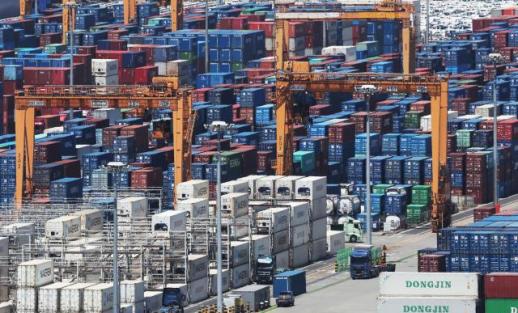 South Korea's Export Growth Surges Amid Successful US Tariff Negotiations The administration of President Lee Jae-myung has experienced significant ups and downs over the past year, particularly in trade relations with the United States, where it faced the tariff policies of President Donald Trump. However, the government has successfully concluded tariff negotiations and is witnessing record-breaking export figures. Leading the charge, semiconductor exports reached an unprecedented $700 billion last year, with the $900 billion mark now within reach. Nonetheless, the heavy reliance on semiconductors for exports has been identified as a concern. Finalization of tariff negotiations minimizes uncertainty amid US protectionism. According to relevant ministries, the Lee administration appointed Yeo Han-goo as head of the Trade Negotiation Headquarters in the Ministry of Trade, Industry and Energy last year, marking the first vice-ministerial appointment. Yeo had previously served in the same role during the Moon Jae-in administration. At that time, the Trump administration had announced plans to impose a 25% reciprocal tariff on South Korea, in addition to a global 10% tariff. With Trump’s push for a revival of American manufacturing, the potential implementation of high tariffs posed a significant threat to South Korea's export-dependent economy. In response, the government devised a strategy to navigate the tariff challenges, led by Yeo, who had overseen trade policy during Trump’s first term. Following his confirmation, Minister of Trade, Industry and Energy Kim Jeong-kwan and his team focused on tariff negotiations with the United States. After intense negotiations, South Korea and the U.S. reached a final agreement on October 29 last year. A memorandum of understanding (MOU) on strategic investment was signed in November, which included commitments to reduce reciprocal tariffs and automotive parts tariffs from 25% to 15%, along with assurances of “most favored nation” status for semiconductors, a key export item. A $350 billion investment fund for the U.S. market is set to be managed based on commercial viability. The conclusion of the Korea-U.S. tariff negotiations is considered a major achievement for the trade authorities, as it minimized uncertainties with the U.S., a key export market, amid rising protectionist trends. With favorable conditions secured compared to major competitors, the upcoming launch of the Korea-U.S. Strategic Investment Corporation next month is expected to serve as a foothold for advancing strategic industries in the U.S. Exports surpass $700 billion for the first time, but diversification remains a challenge. Exports have shown an upward trend after overcoming significant challenges. According to the Ministry of Trade, Industry and Energy, last year’s exports totaled $709.3 billion, marking a 3.8% increase from the previous year and the first time annual exports exceeded $700 billion since the establishment of the government in 1948. Despite a slowdown in exports during the first half of the year due to U.S. tariffs, a rapid recovery in the second half significantly contributed to the overall growth. The expansion of data center investments driven by artificial intelligence (AI) has also propelled semiconductor exports. As a result, the government set an export target of $740 billion for this year, aiming for two consecutive years of exports exceeding $700 billion. Despite global uncertainties, including the Middle East conflict, exports from January to April this year reached $306.5 billion, a 40.9% increase compared to the same period last year. Forecasts for export targets are evolving. The Korea Institute for Industrial Economics and Trade predicts that this year’s exports could surge by 30.3% to $924.4 billion. If this projection materializes, South Korea could surpass Japan and secure a position among the top five exporting nations. Minister Kim Jeong-kwan recently stated, "While there are other variables to consider, I expect this year’s exports to exceed $900 billion and believe we have a chance to enter the top five in exports." He noted that semiconductor demand is expected to remain strong through the first half of next year, indicating the potential for record-breaking performance. However, the reliance on semiconductors has created a 'K-shaped' export structure, raising uncertainties for future projections. Export fluctuations are significant due to the cyclical nature of the semiconductor market. If semiconductor exports falter, overall exports could also decline. The Korea Institute for Industrial Economics and Trade forecasts that exports excluding semiconductors will only grow by 1.7% this year. In light of these achievements and challenges, the Ministry of Trade, Industry and Energy is intensifying efforts to diversify exports. The government aims to expand exports of K-consumer goods based on the Korean Wave and increase trade financing for small and medium-sized enterprises to achieve a goal of 'inclusive exports.' Additionally, it plans to secure future competitiveness through the transition to manufacturing AI. Minister Kim emphasized, "Industries excluding semiconductors are showing solid growth rates of 14-15%, and small and medium-sized enterprise exports have increased by 10%. We will adopt the mindset that 'the world is vast, and there are many places to export.' Please look forward to the second half of the year."* This article has been translated by AI. 2026-05-31 17:48:00
 -
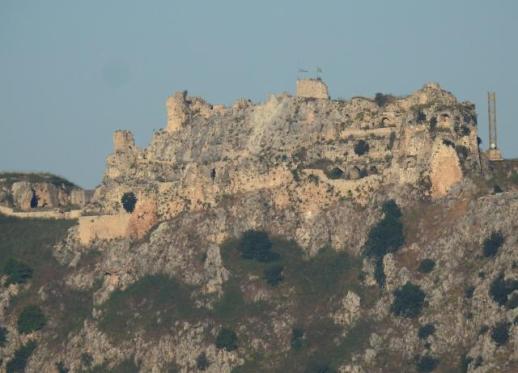 Israeli Forces Intensify Offensive Against Hezbollah, Capture Beaufort in Southern Lebanon Israeli forces have intensified their offensive against the Lebanese militant group Hezbollah, announcing the capture of the strategic location of Beaufort in southern Lebanon. According to reports from the Jerusalem Post and others on May 31, Israeli ground troops crossed the Litani River and entered the Beaufort ridge and the Wadi al-Saluki area, securing the region. The Israeli military stated that the operation began a few days prior, aiming to eliminate the threat posed by Hezbollah to residents in northern Israel. Before the ground troops advanced, the Israeli Air Force conducted extensive airstrikes targeting Hezbollah infrastructure in the area. Artillery and tank fire also supported the ground forces. Additionally, the Israeli military is conducting operations near Nabatiyeh, a major Hezbollah stronghold in southern Lebanon, and is prepared to expand its operations in that area. Israeli Defense Minister Yoav Gallant stated on social media platform X (formerly Twitter) that it has been 44 years since the Battle of Beaufort during the First Lebanon War, and that Israeli forces have once again raised the Israeli flag and the Golani Brigade banner. He emphasized that the operation is not yet complete, asserting, "The Israeli military is determined to crush Hezbollah's power and complete its mission." The entry of Israeli forces into the Beaufort ridge marks the first time since the withdrawal from southern Lebanon in 2000 that they have regained control of the area. Beaufort is considered a strategic high ground in southern Lebanon. During the First Lebanon War in 1982, Israeli Golani reconnaissance units captured this outpost from armed groups that were using it to launch rockets toward the Galilee region. Israeli forces maintained control of the area until their withdrawal from southern Lebanon under then-Prime Minister Ehud Barak's orders in May 2000. Following Prime Minister Benjamin Netanyahu's directive to intensify operations against Hezbollah, Israeli forces have expanded their operations beyond the existing control line known as the "Yellow Line," which is about 10 kilometers from the border. On May 29, they crossed the Litani River, approximately 30 kilometers north of the "Blue Line," which effectively serves as the border between Israel and Lebanon. Meanwhile, Iran is reportedly negotiating a ceasefire in Lebanon, including conditions involving Hezbollah, as it seeks to finalize a memorandum of understanding (MOU) for peace. This development suggests that the expansion of Israeli ground operations in Lebanon could influence U.S.-Iran negotiations for a ceasefire.* This article has been translated by AI. 2026-05-31 17:42:00
 -
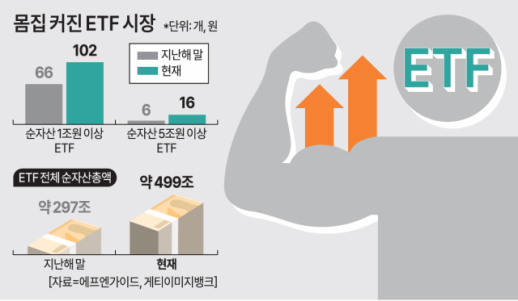 Surge in ETF Market: 100 Funds Exceed 1 Trillion Won in Assets The domestic exchange-traded fund (ETF) market continues its rapid growth, with the number of funds exceeding 1 trillion won in total assets under management (AUM) surpassing 100 for the first time. This surge is attributed to a booming stock market and significant inflows of capital from both individual and institutional investors. According to fund evaluation firm FnGuide, as of May 28, there are 102 domestic ETFs with AUM exceeding 1 trillion won, up from 66 at the end of last year, marking an increase of 36 funds in just six months. The rise of large-scale ETFs is also notable. The number of ETFs with AUM exceeding 5 trillion won has increased from six at the end of last year to 16 currently. This growth is driven by index ETFs representing the domestic stock market, as well as those linked to major U.S. indices and sectors like semiconductors and dividends. The overall size of the ETF market is expanding rapidly, with total AUM nearing 500 trillion won, reaching record levels. Analysts attribute this growth to the increasing preference for ETFs among domestic investors, coupled with a rising stock market. The top-performing ETFs have also shown remarkable growth. The KODEX 200, the leading ETF, has seen its AUM increase by over 16 trillion won compared to the end of last year, while the second-ranked TIGER U.S. S&P 500 has grown by more than 5 trillion won. Notably, the third-ranked TIGER Semiconductor TOP10 has seen its AUM surge from 2.83 trillion won to 14.54 trillion won, more than a fivefold increase, thanks to strong semiconductor stocks. The simultaneous bullish trends in domestic and international stock markets this year have been identified as key factors in the expansion of the ETF market. The KOSPI index has recorded significant gains since the beginning of the year, while the U.S. stock market has also maintained a strong upward trend, leading to increased capital inflows into both domestic and foreign equity ETFs. Recently, high-risk, high-reward products based on single stocks have also gained popularity, further broadening the ETF market. The newly listed Samsung Electronics and SK Hynix single-stock leveraged ETFs from Samsung Asset Management quickly surpassed 1 trillion won in AUM shortly after their launch, joining the '1 trillion club.' Industry experts expect the growth of the ETF market to continue in the near future. The proportion of ETF investments through retirement and personal pension accounts is steadily increasing, and more investors are utilizing ETFs as long-term investment vehicles. A financial industry official stated, "The influx of capital due to the rising stock market and the expansion of pension funds are rapidly increasing the size of the ETF market. As various products continue to be launched, the number of large-scale ETFs will keep growing."* This article has been translated by AI. 2026-05-31 17:39:00
 -
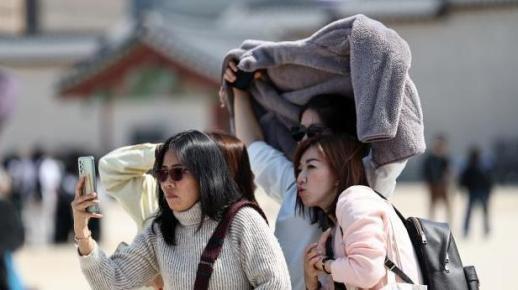 Weather Changes as June Begins: Heat and Rain Expected The first week of June will see generally cloudy weather across the country, accompanied by early summer heat. On June 1, daytime temperatures in Seoul are expected to reach 29 degrees Celsius, while Gangneung and Daegu could see highs of 32 degrees. Rain is forecast for Jeju Island. According to the Korea Meteorological Administration, the weather on June 1 will start off mostly cloudy, with occasional breaks of sun in the morning. Jeju Island will experience cloudy conditions with rain beginning in some areas from the morning. Morning lows are expected to range from 14 to 20 degrees Celsius, with daytime highs between 27 and 32 degrees. Specific temperatures for June 1 include Seoul at 18 to 29 degrees, Gangneung at 22 to 32 degrees, and Daegu at 20 to 32 degrees. As temperatures rise significantly during the day, some inland and eastern coastal areas will experience early summer heat. Jeju Island is expected to see rain from June 1 to June 2, with anticipated precipitation between 30 and 80 millimeters. Particularly in the evening, heavy rain of 20 to 30 millimeters per hour may occur, necessitating caution regarding infrastructure and transportation safety. On Tuesday, June 2, the central region will be mostly clear, while the southern regions and Jeju Island will remain cloudy. The Jeolla region will start to clear in the afternoon, with the Gyeongsang region and Jeju Island becoming clearer by night. Morning lows are forecasted to be between 15 and 20 degrees, with daytime highs ranging from 24 to 31 degrees. From Wednesday, June 3, to Thursday, June 4, the country will be under the influence of high pressure, resulting in mostly cloudy weather. Jeju Island will continue to experience cloudy conditions. During this period, morning lows are expected to be between 17 and 19 degrees, with daytime highs from 24 to 31 degrees. From Friday, June 5, to Sunday, June 7, the country will remain under the influence of high pressure, leading to cloudy weather. Morning lows are expected to range from 14 to 19 degrees, while daytime highs will be between 21 and 29 degrees, slightly lower than earlier in the week. For the first week of June, expected morning lows in major regions include 17 to 19 degrees in Seoul, 17 to 18 degrees in Incheon, 15 to 17 degrees in Chuncheon, 17 to 19 degrees in Daejeon, 16 to 19 degrees in Gwangju, 17 to 19 degrees in Daegu, 18 to 20 degrees in Busan, and 19 to 21 degrees in Jeju. Projected daytime highs are 25 to 31 degrees in Seoul, 24 to 29 degrees in Incheon, 25 to 31 degrees in Chuncheon, 27 to 30 degrees in Daejeon, 27 to 30 degrees in Gwangju, 27 to 32 degrees in Daegu, 24 to 28 degrees in Busan, and 24 to 27 degrees in Jeju. Air quality is expected to be at a 'moderate' level due to smooth atmospheric circulation. However, during times of strong ultraviolet radiation, it is advisable to wear hats or use umbrellas and stay hydrated. As temperatures rise rapidly, attention to health is necessary. Particularly, children and the elderly should avoid prolonged outdoor activities during peak hours and pay attention to indoor temperature management.* This article has been translated by AI. 2026-05-31 17:33:00
 -
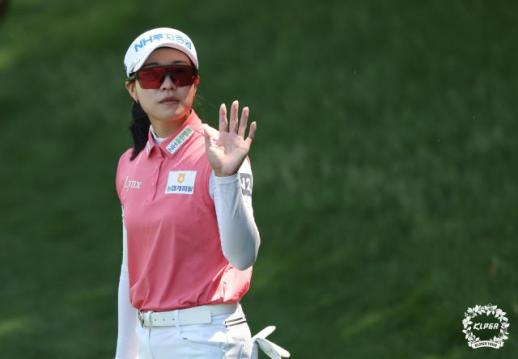 Park Min-ji Achieves 20th Career Win on KLPGA Tour with MBN Women's Open Victory Park Min-ji has made history by becoming the third player in KLPGA Tour history to achieve 20 career wins, following the late Ku Ok-hee and Shin Ji-ae. On May 31, at the The Starhue Golf & Resort in Yangpyeong, Gyeonggi Province, Park recorded an impressive final round at the KLPGA Tour Sh Suhyup Bank MBN Women's Open, finishing with eight birdies and no bogeys for an eight-under-par 64. With a total score of ten-under-par 206, Park edged out second-place Kim Ji-yoon, who finished at nine-under-par 207, by one stroke. The victory earned her a prize of 180 million won. This win marks Park's first KLPGA Tour title since the 2024 Celltrion Queens Masters, nearly two years ago. Additionally, Park's achievement of 20 wins places her in a tie for the most wins in KLPGA history alongside Ku Ok-hee and Shin Ji-ae. It has been 16 years since a player reached this milestone, with Shin being the last to do so in 2010. If Park secures another victory, she will set a new record for the most wins in KLPGA Tour history. Lee Ji-hyun and Noh Seung-hee tied for third place with a total score of eight-under-par 208. Yoo Hyun-jo, who was the sole leader after the second round, fell to a tie for fifth place after finishing with a total score of seven-under-par 209. Defending champion Jeong Yoon-ji finished in a tie for 41st place with an even-par score of 216.* This article has been translated by AI. 2026-05-31 17:33:00
 -
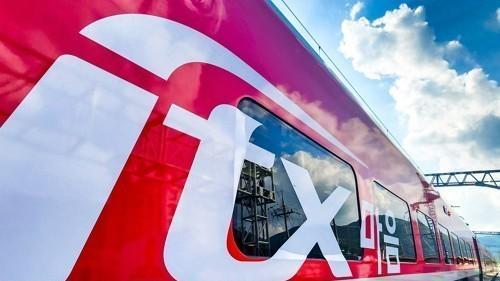 Korea's Ministry of Land and Korail Order 146 New ITX-Maum Trains for 3.987 Trillion Won 국토교통부와 한국철도공사(코레일)가 무궁화호 대체 차량 도입을 위해 ITX-마음(EMU-150) 열차 146칸을 신규 발주한다. 총 3987억원을 투입해 2029년 하반기부터 2030년까지 순차적으로 도입할 계획이다. 국토교통부와 코레일은 31일 다음 달 1일 ITX-마음 신규 구매 입찰을 공고한다고 밝혔다. 이번 발주는 기존 납품 지연으로 차질을 빚었던 무궁화호 대체 차량 도입을 정상화하기 위한 조치다. 국토부와 코레일은 그동안 태스크포스(TF)를 구성해 무궁화호 정밀 안전 진단과 리모델링 등 대책을 추진해왔다. 신규 도입 차량은 간선형 전기동차인 ITX-마음 총 146칸 규모다. 총사업비는 3987억원으로 책정됐다. 입찰은 다음 달 23일 마감되며, 이후 제안서 평가와 협상을 거쳐 7월 초 최종 계약을 체결할 예정이다. 차량은 제작 과정을 거쳐 2029년 하반기부터 2030년까지 순차적으로 현장에 투입된다. 국토부와 코레일은 기존 제작사와 계약이 해지된 330칸 가운데 아직 발주되지 않은 184칸에 대해서도 내년 추가 발주를 검토하고 있다. 이번 계약은 차량 도입이 시급한 상황을 고려해 기존의 2단계 경쟁 입찰 대신 협상에 의한 계약 방식으로 추진된다. 과거 EMU-150 구매 과정에서 저가 입찰에 따른 납품 지연과 품질 저하 우려가 제기된 점을 반영한 조치다. 코레일은 철도차량 입찰 과정의 납품 지연을 방지하기 위해 평가 기준도 손질했다. 납품 지연 업체에 대한 감점을 확대하고, 퇴직자 재취업 업체에 대한 감점 제도를 신설했다. 또한 입찰 담합 등 공정거래 위반 행위에 대한 감점 기준도 강화했다. 새로 도입되는 ITX-마음에는 에너지 절감과 이용객 편의 향상을 위한 기술도 적용된다. 소비전력 측정장치와 운전자 보조시스템(DAS)이 탑재되며, 좌석 등받이 각도는 기존 100도에서 120도로 확대된다. 김태병 국토교통부 철도국장은 "현행 계약 제도의 문제점과 한계를 점검해 철도차량 입찰 제도를 선진화하는 연구도 추진하겠다"고 밝혔다. ITX-마음은 노후화된 새마을호와 무궁화호를 대체하기 위해 도입된 간선형 전기동차로, 2023년 9월 1일 첫 운행을 시작했다. 현재 경부선과 호남선, 전라선, 중앙선, 태백선, 동해선, 서해선 등 전국 주요 간선 노선으로 운행 구간을 확대하고 있다.* This article has been translated by AI. 2026-05-31 17:18:00